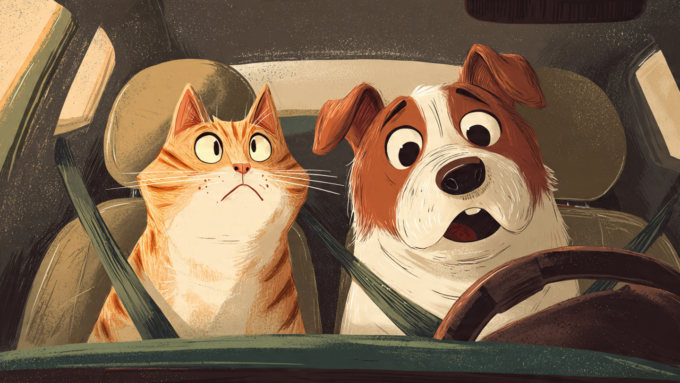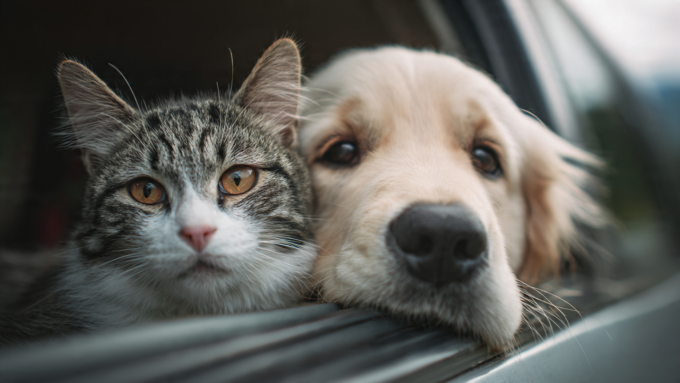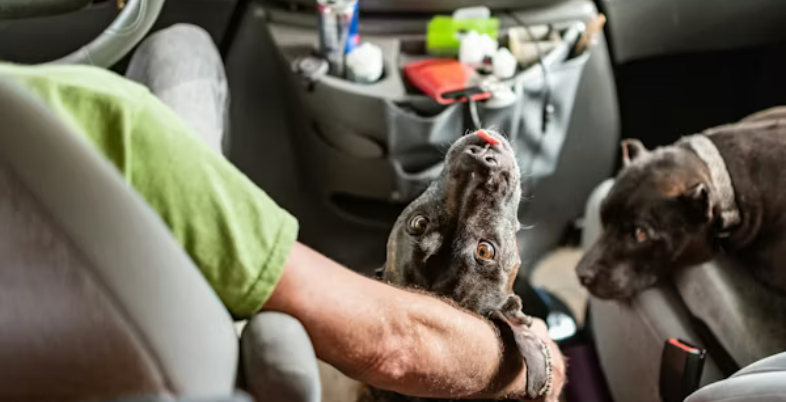
You’re running a quick errand. Your pet hops into the car like it’s no big deal, tail wagging or eyes wide with curiosity. You tell yourself it’s just a short drive—five minutes, maybe ten. Everything feels familiar.
But over time, many pet owners realize that car rides aren’t just a casual part of life. They’re a shared routine, and like any routine, they work best when everyone feels steady and secure. That’s why more people have started thinking about why car safety matters for pets—not in a dramatic way, but in a thoughtful, everyday way.
For most owners, it’s less about fear and more about making trips smoother, calmer, and more predictable for both pets and people.
Car Rides Feel Different to Pets Than They Do to Humans
Most people understand the rhythm of driving. They know what a turn feels like, what braking means, and why the car is moving.
Pets don’t always have that same context.
Some pets love the car instantly. Others need time to get used to the movement, the sounds, and the unfamiliar sensation of motion. Even confident pets can shift around during a ride simply because the car changes speed and direction.
That’s part of why car safety matters for pets—it helps keep the ride more stable for them.
Small Movements Add Up Quickly
One thing many owners notice over time is how much pets naturally move in a car.
They might:
- Step from seat to seat
- Try to climb into the front
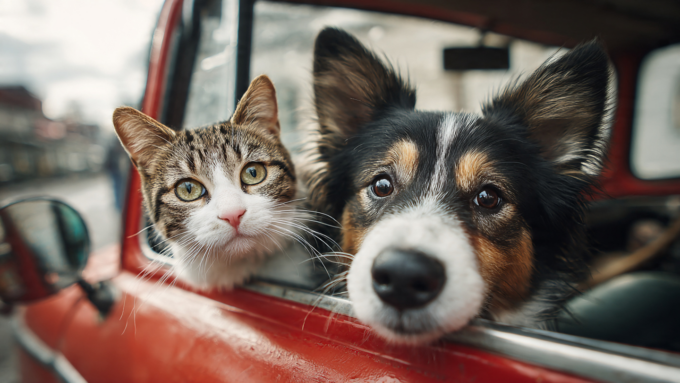
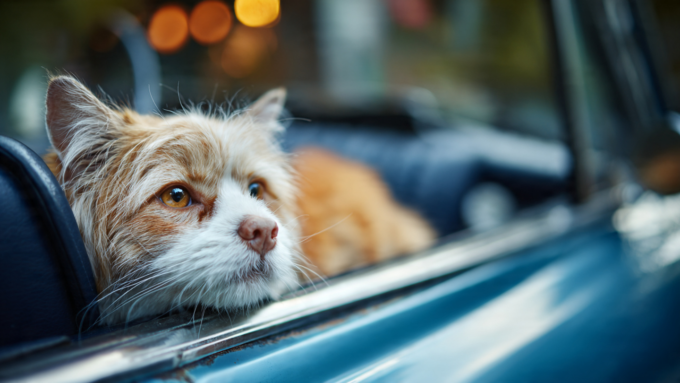
- Lean toward a window
- Shift positions during turns
- Stand up suddenly when excited
Even in calm pets, these movements can happen without warning. Because a car ride involves frequent small changes—stopping, starting, turning—pets can lose balance more easily than people expect.
A more secure setup often leads to a more settled ride.
Distractions Can Happen in a Split Second
It’s normal for owners to talk to their pets, glance at them, or respond when they move.
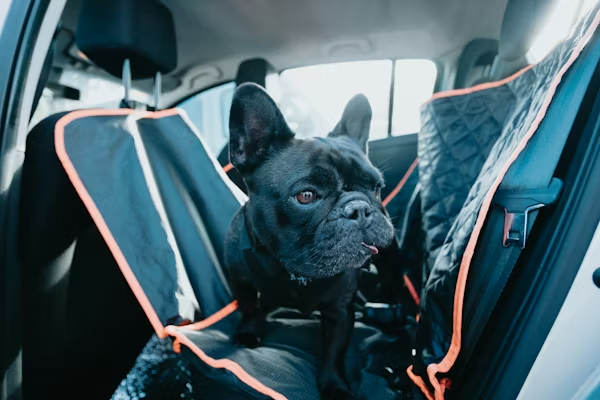
But when a pet is unrestrained and roaming, it can unintentionally become a distraction. A sudden jump, a paw on the driver’s arm, or a pet trying to climb forward can pull attention away at the wrong moment.
For many people, this is a primary reason why car safety matters for pets—because it helps the driver stay focused, which supports everyone’s comfort.
Pets Feel More Comfortable When They Have a “Place”
Pets often do better when they know where they’re supposed to be.
Just like people feel more relaxed with a seatbelt and a clear seat, pets often seem calmer when they have a designated spot. When pets have a consistent space—whether it’s a secured back seat area or a stable carrier—they can settle more easily and stop pacing around.
Many owners notice that once a pet understands their “car place,” rides become smoother and quieter.
Not All Pets React the Same Way to the Car
Some pets sit still like seasoned travelers. Others treat every ride like a new adventure.
Owners often realize:
- Some dogs get excited and want to look out every window
- Some cats stay quiet but shift around frequently
- Some pets stand up whenever the car slows down
- Some pets become restless during longer rides
There’s no single “type” of pet that needs more attention. Even calm pets can become wiggly when something unexpected happens outside—another dog, a sudden noise, or a favorite park passing by.
This variety is part of what makes why car safety matters for pets such a relatable topic. It’s not about one kind of pet—it’s about real-life behavior.
Short Trips Still Count
Many people think about safety only for long drives. But owners often realize they take the shortest trips.
A quick ride to the store, a short drive to a friend’s house, or a trip to pick up groceries can feel too small to plan around. Yet these everyday trips are where habits form.
Over time, many owners start treating every ride the same way—not because they’re worried, but because routine feels easier than switching rules depending on distance.
A Calm Car Ride Helps With Other Parts of Life
Another reason car safety matters for pets is that it supports routines beyond the car.
When pets feel comfortable during rides, it can make it easier for them to handle:
- Grooming appointments
- Travel days
- Visiting family
- New environments
- Pet-friendly outings
The car often becomes the “bridge” between home and the outside world. A calm experience in the car can set the tone for everything that comes next.
Owners Often Notice Their Own Stress Changes Too
This is something many people don’t expect: car safety choices often affect the owner’s mindset.
When a pet is moving around the car, owners may feel tense, checking mirrors, glancing back, or trying to manage the pet’s behavior while driving. When a pet is settled, many owners feel more relaxed and focused.
It becomes less about “controlling the pet” and more about creating a smoother shared experience.
Creating Consistency Helps Everyone
One of the simplest insights owners share is that consistency makes car rides easier over time.
A pet who knows what to expect—where they sit, what happens at the start of the ride, what the routine feels like—often settles more quickly. Even naturally energetic pets may begin to view the car as a quieter space once the pattern becomes familiar.
This is another everyday reason car safety matters for pets: it supports routine, which pets tend to thrive on.
A Calm Takeaway
So, why does car safety matter for pets? For most owners, it comes down to steady, practical reasons: pets move more than people realize, distractions happen quickly, and a secure setup often makes rides calmer and more predictable.
Over time, many pet owners find that car safety isn’t about being strict or anxious—it’s simply part of caring for a pet in everyday life. Whether it’s a short errand or a longer drive, a smoother ride usually feels better for everyone in the car—especially the one with paws.
Ai Insights: Over time, many pet owners notice that car rides feel calmer and more predictable when their pet has a consistent, secure place to settle, making the trip easier for everyone.