You scoop your dog’s food into the bowl like you always do—same spot in the kitchen, same familiar clink of kibble. But sometimes, after a meal, you notice little differences: maybe your dog seems extra content, maybe they settle quickly, or maybe their routine just feels… smoother.
Many dog owners end up wondering the same thing: why do some dog foods seem to feel easier to digest than others? It’s not always a dramatic change, and it’s rarely something you can point to with certainty. But over time, people start noticing patterns in their dog’s everyday habits after meals.
This isn’t about making big claims or trying to label one food as “perfect.” It’s simply about understanding the kinds of things owners often observe when they feel like a certain food agrees with their dog more comfortably.
“Easier to Digest” Often Means the Routine Feels Smoother
When owners say a food feels easier to digest, they’re usually talking about day-to-day ease.
It might look like:
- A more predictable bathroom routine
- Less hesitation around meals
- A calmer, more settled vibe after eating
- Fewer messy surprises during walks
For many people, it’s not about one single sign. It’s a collection of small moments that add up to a feeling of “this seems to work better.”
Dogs Respond Differently to Ingredients and Formulas
Just like people, dogs can have individual preferences and sensitivities—even if those sensitivities are mild.
Some owners notice their dog seems more comfortable with certain recipes, while others create a little more “trial and error” in the routine. Dogs vary in:
- How they handle richer foods
- How they respond to different protein sources
- Whether certain fibers seem to agree with them
- How they adjust to new formulas
This is one reason why some dog foods feel easier to digest for one dog but not another. A food that feels perfect for one pup might not feel the same for a different one.
Texture and Moisture Can Change the Experience
Food isn’t just about ingredients—it’s also about how it’s made and how it feels.
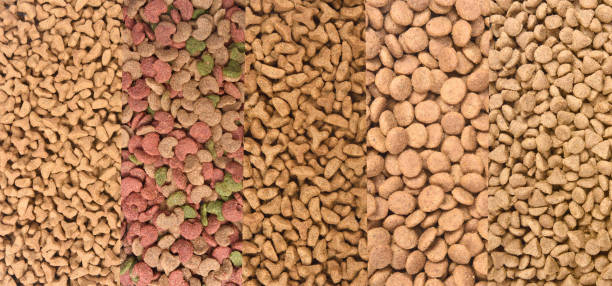
Some owners notice their dog handles certain textures more comfortably, such as:
- Softer foods
- Foods with more moisture
- Smaller kibble shapes
- Simpler ingredient blends
Even when the recipe is similar, the way food is processed and presented can change how a dog approaches it—and how they seem to settle afterward.
Portion Comfort Matters More Than People Expect
Sometimes what feels like “digestibility” is actually about how full a dog feels after eating.
Owners often notice that when a portion feels just right, dogs tend to:
- Relax more quickly
- Avoid pacing or begging
- Look satisfied rather than restless
- Stick to a more regular daily rhythm
When a meal feels too heavy (or sometimes not filling enough), the dog’s behavior may shift slightly—even if nothing obvious is happening.
This is why some foods are described as easier: they seem to fit a dog’s appetite and routine more naturally.
Some Foods Have a “Lighter” Feel in Daily Routine
Dog owners sometimes describe certain foods as feeling “lighter,” even if they can’t fully explain why.
What they often mean is that their dog seems to:
- Eat at a steady pace
- Settle comfortably after meals
- Maintain a consistent bathroom schedule
- Feel calm instead of restless
It’s not necessarily a huge change, but it’s noticeable when meals stop feeling like a question mark and start feeling like a comfortable routine.
Switching Food Can Highlight Differences
Many owners only start thinking about digestion when they switch foods.
A new food makes them pay closer attention, and suddenly they notice small changes they didn’t focus on before—like how quickly the dog eats, how they behave after meals, or how predictable their daily patterns feel.
Even when everything is going well, a switch can bring awareness. That’s often when people start asking why some dog foods feel easier to digest—because they’re watching their dog more closely than usual.
Some Dogs Prefer Simpler, More Consistent Meals
A lot of dogs do best with consistency.
Some owners notice their dog seems more comfortable when meals stay simple—same type, same texture, same routine. When foods are very rich, heavily mixed, or constantly changing, some dogs appear to take longer to adjust.
This doesn’t mean variety is “bad.” It just means some dogs seem to thrive on predictability, and certain foods naturally support that.
Mealtime Behavior Can Be a Quiet Clue
Many owners notice that when a food feels easier on their dog, mealtime itself feels calmer.
A dog might:
- Eat without stopping and starting
- Leave fewer leftovers
- Stop hovering afterward
- Settle into a nap more easily
These aren’t scientific signals—they’re just everyday patterns owners recognize over time. And those patterns often shape whether a food feels like a good match.
Bathroom Routine Is Often What Owners Watch Most
Let’s be honest—dog owners become accidental experts in noticing bathroom routine changes.
When people say a food feels easier to digest, they often mean that things feel more consistent. That can include:
- Predictable timing
- Less variation day to day
- A routine that feels stable on walks
This is one of the most common ways owners feel reassured that something is working well, because it’s a visible part of daily life.
A Calm Takeaway
So, why do some dog foods feel easier to digest? Often it comes down to small, practical differences that show up in routine—how a dog eats, how they settle afterward, and how steady daily patterns feel over time.
Many owners find that the “best” food isn’t about perfection or dramatic results. It’s simply the one that helps their dog feel comfortable, consistent, and at ease—meal after meal, day after day.
Ai Insights: Over time, many dog owners notice that a food that feels easier to digest often shows up as a smoother daily routine—steady eating habits, predictable bathroom patterns, and a calmer settle-down after meals.