Dog food is one of those everyday choices that seems simple—until you try to change it. Maybe your dog starts eating slower, maybe the bag you usually buy isn’t available, or perhaps you begin wondering if something else would fit your dog better.
Once a switch happens, many owners notice they pay closer attention than they expected. Not because they’re trying to analyze everything, but because food is such a regular part of daily life that even small changes can feel noticeable.
If you’ve ever wondered what people mean when they say, “We switched foods and things were different,” here are the most common dog food changes owners often talk about—shared in a calm, everyday way.
1) Mealtime Enthusiasm Changes First
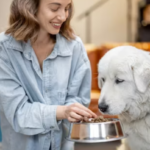
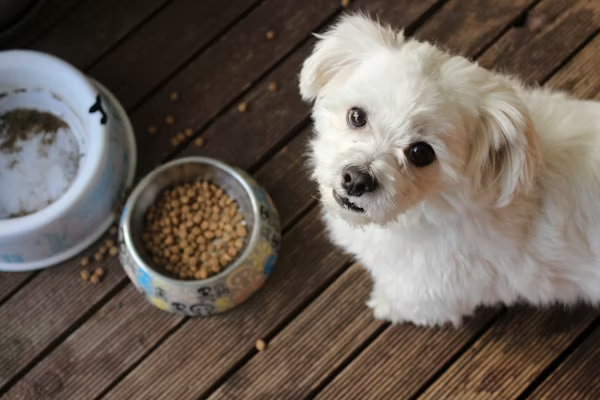
One of the earliest things owners notice after changing dog food is the mood around the bowl.
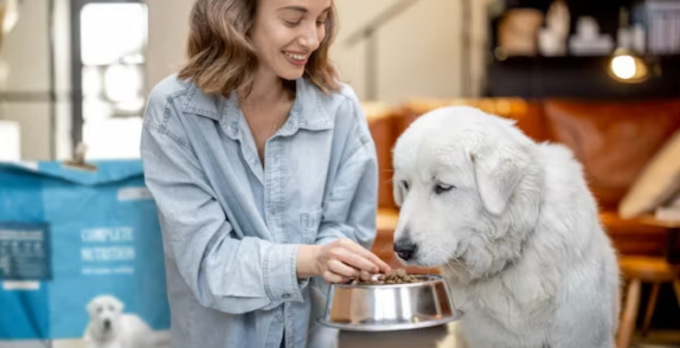
Some dogs become:
- More excited when food comes out
- Faster at finishing meals
- More focused on the kitchen
Other dogs might:
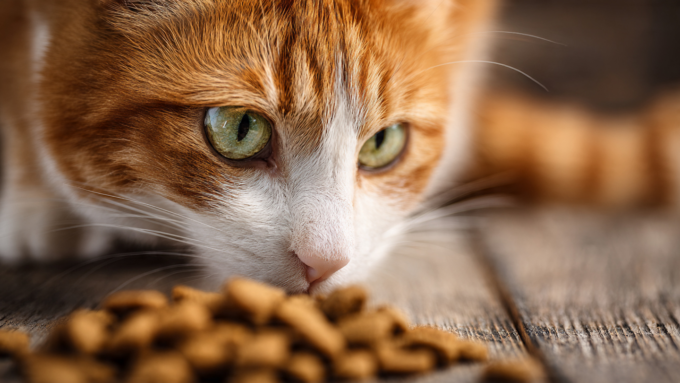
- Sniff and hesitate
- Eat slowly at first
- Walk away and come back later
This doesn’t always mean the food is “better” or “worse.” Often it simply reflects how dogs respond to new smells, textures, and routine changes.
2) Eating Pace Can Shift
Owners often talk about how quickly (or slowly) their dog eats after a food change.
A dog might suddenly inhale meals as if it’s the best thing ever—or they might take their time, nibbling and pausing more than usual.
Some owners mention that this change in pace is one of the most obvious signals, simply because you see it happen every day.
3) Bathroom Routine Becomes More Noticeable
Let’s be real: most dog owners become very aware of bathroom habits during a food switch.
People often notice changes in:
- Timing on walks
- Frequency
- Firmness
- Smell
Even if everything stays normal, owners still tend to watch this closely, because it’s one of the clearest daily patterns tied to food.
That’s why bathroom routines are one of the biggest dog food changes owners often talk about—it’s hard not to notice.
4) Water Habits Sometimes Shift
Some owners notice their dog drinks more—or occasionally a bit less—after switching food.
This often depends on:
- Whether the food is dry or moist
- How salty or rich it feels
- How active the dog is that day
It’s not always dramatic, but it’s one of those small routine details owners mention when they’re paying attention.
5) Energy Levels Feel Slightly Different
When people talk about food changes, energy is often part of the conversation.
Some owners say their dog feels:
- More playful
- More ready for walks
- Calmer after meals
- More steady throughout the day
Others notice no change at all. And that’s common too.
But because energy is so visible—especially in dogs who are typically energetic—owners often bring it up when they’re reflecting on a new food choice.
6) Coat Feel Comes Up Surprisingly Often
Even though it takes time, coat changes are something owners frequently mention.
Over time, they might notice:
- Fur feels softer
- Coat looks shinier
- Shedding seems more regular
- Skin looks less dry
This isn’t always directly caused by food alone, but it’s one of those observations owners associate with longer-term feeding routines.
7) Treat Expectations Can Change
One funny thing some owners notice: their dog acts differently around treats after switching food.
A dog might become:
- More food-motivated overall
- Less interested in snacks
- More eager during training
- More selective about rewards
It’s not a universal experience, but it’s common enough that owners talk about it—especially if their dog’s treat behavior changes noticeably.
8) Routine and Mood Feel More Predictable (or Less)
Sometimes the biggest change isn’t physical—it’s behavioral.
Owners often describe that a new food can affect the daily “flow” of life:
- Does the dog settle after meals?
- Do they pace or beg?
- Do they seem content or restless?
These aren’t dramatic shifts. They’re small, consistent patterns that owners notice once meals become part of the new routine.
9) Dogs Show Clear Preferences
Many owners say food changes reveal personality.
Dogs may show preferences through:
- Tail wagging when the bag opens
- Standing near the bowl
- Ignoring food until you’re nearby
- Sorting pieces out of the bowl
- Looking at you as if negotiating
Dogs don’t write reviews, but they make opinions clear in their own way. That’s why preference is one of the most talked-about aspects of switching food.
10) The Owner Pays More Attention Than Usual
This is an underrated one.
Even when a switch goes smoothly, many owners notice they become more aware of:
- Portions
- Mealtime behavior
- Routines and habits
- Small patterns they didn’t notice before
Sometimes the biggest “change” isn’t the dog—it’s the owner’s attention. A switch creates a moment where people observe more carefully, and that often shapes how they talk about the experience afterward.
A Calm Takeaway
So, what are the dog food changes owners often talk about? Usually it’s the everyday stuff: excitement at the bowl, eating pace, bathroom routine, energy, water habits, and even coat feel over time.
But what really stands out is this: food changes often make people notice their dog’s daily rhythms more clearly. And in the end, that’s what most owners remember—not just what was in the bowl, but how the routine felt once the switch became normal.
Ai Insights: Over time, many owners notice that dog food changes tend to show up in small daily rhythms—like mealtime excitement, bathroom consistency, and how easily their dog settles into the routine afterward.