Switching your dog’s food can feel like a small change—until you’re watching their bowl, their routine, and their reactions a little more closely than usual. Many owners expect the adjustment to happen instantly, but for most dogs, settling into a new food is a gradual process.
Sometimes it’s smooth from day one. Sometimes it comes with a few “in-between” days where things feel slightly different. Either way, most dogs adapt over time, and owners often notice the adjustment happening in stages rather than all at once.
If you’ve been curious about how dogs adjust to new food over time, here are some calm, everyday observations people often share—focused on routine and behavior, not perfection.
The First Stage: Curiosity and Caution
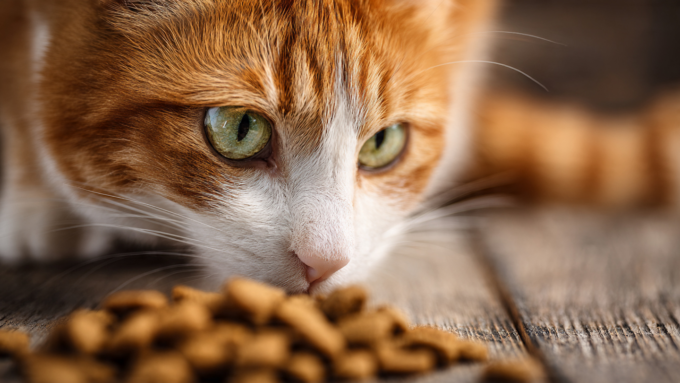
When a new food appears, many dogs respond with extra sniffing.
Owners often notice:
- Slower eating at first
- A longer “inspection” moment
- Picking up pieces and dropping them
- Looking at their owner as if asking, “Is this the new plan?”
Even dogs who usually eat anything can pause when something smells or feels different. This is often less about dislike and more about adjustment—dogs are used to familiarity, and food changes break the routine.
Early Days: Mealtime Behavior Can Shift
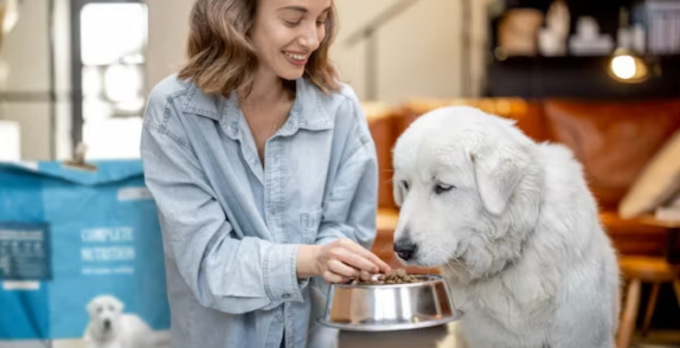
In the first few days, owners often notice a change in how their dog approaches meals.
Some dogs become more excited and eat quickly. Others eat more slowly or walk away and return later. It’s common for the pace to be inconsistent at first.
Many owners describe this stage as the dog “figuring it out.” The food may be new, but the bowl, the routine, and the home environment are still familiar—so dogs often adjust by observing and testing.
Bathroom Routine Often Becomes the Most Watched Detail
Let’s be honest—this is the part most owners monitor the closest.
When dogs adjust to new food over time, owners often notice small shifts in:
- Timing
- Frequency
- Firmness
- Smell
Even if changes are minor, they stand out because they’re part of daily life. Many owners say they notice bathroom patterns settling into a new normal after the first stretch of the transition.
The Middle Stage: Routine Starts to Feel More Predictable
After the initial novelty, many dogs begin to treat the new food as “normal.”
This often looks like:
- A steadier eating pace
- Less sniffing or hesitation
- More predictable appetite
- A smoother daily rhythm after meals
For many owners, this is when they feel the switch is truly settling in—not because anything dramatic happens, but because the small uncertainties fade.
Some Dogs Show Preferences More Clearly Over Time
Interestingly, some dogs don’t show strong opinions right away.
Instead, owners notice preferences emerging gradually, such as:
- Eating faster once they’re used to the flavor
- Leaving certain pieces behind
- Looking more excited when the bag opens
- Acting more food-motivated during training
This is why how dogs adjust to new food over time often includes personality. Some dogs adapt quietly, while others make their preferences known once they feel confident about what’s in the bowl.
Energy and Mood May Shift in Small Ways
Another thing owners sometimes notice during a transition is subtle changes in mood or energy.
Not necessarily a big increase or decrease—more like:
- A slightly steadier pace during the day
- A calmer “post-meal” settle-down
- More predictable play and rest patterns
Many owners describe it as the dog’s daily rhythm finding its balance again after a routine change.
Adjustment Looks Different for Every Dog
Some dogs are “easy switchers” and adjust within a few days. Others take longer, especially if they’re sensitive to change or naturally cautious.
Owners often notice that adjustment depends on things like:
- The dog’s temperament
- How different the new food is in smell and texture
- The dog’s routine and environment
- How consistent mealtimes are
This is why owners often talk about adjustment as a personal process. The same food can feel like an easy transition for one dog and a slower shift for another.
Owners Usually Relax Once the New Routine Feels Familiar
One subtle part of a food switch is how the owner feels.
At first, many people watch everything closely. But as the dog adjusts and patterns become predictable, owners tend to stop “checking” and start treating it like normal life again.
Sometimes the biggest sign that the transition worked isn’t a specific behavior—it’s simply that the food stops being a question, and becomes part of the routine.
A Calm Takeaway
So, how do dogs adjust to new food over time? Usually in stages: curiosity first, a few days of noticeable routine shifts, and then a gradual return to steady habits as the new food becomes familiar.
For most dogs, adjustment isn’t dramatic—it’s subtle. And over time, what stands out most is how quickly food goes from “new” to “normal,” becoming just another comforting part of the day.
Ai Insights: Over time, many owners notice that dogs often adjust to new food in small stages—initial curiosity, a few routine shifts, and then a gradual return to steady, familiar mealtime patterns.