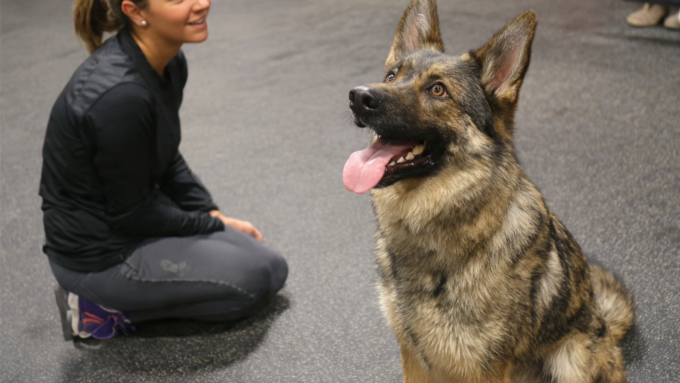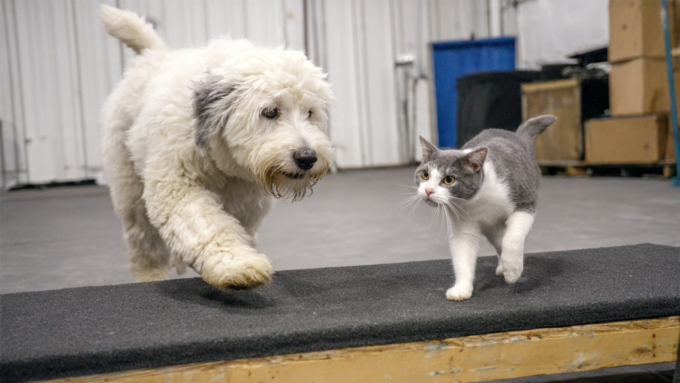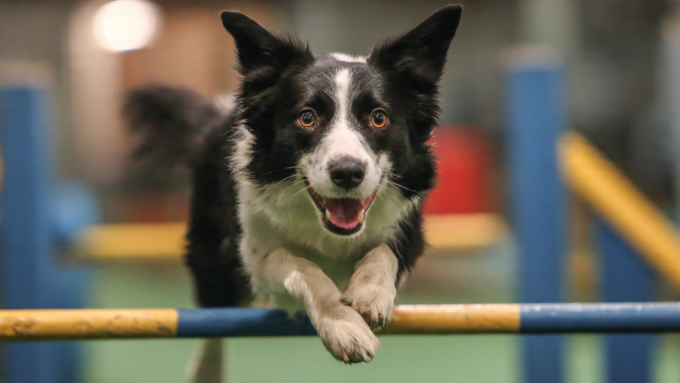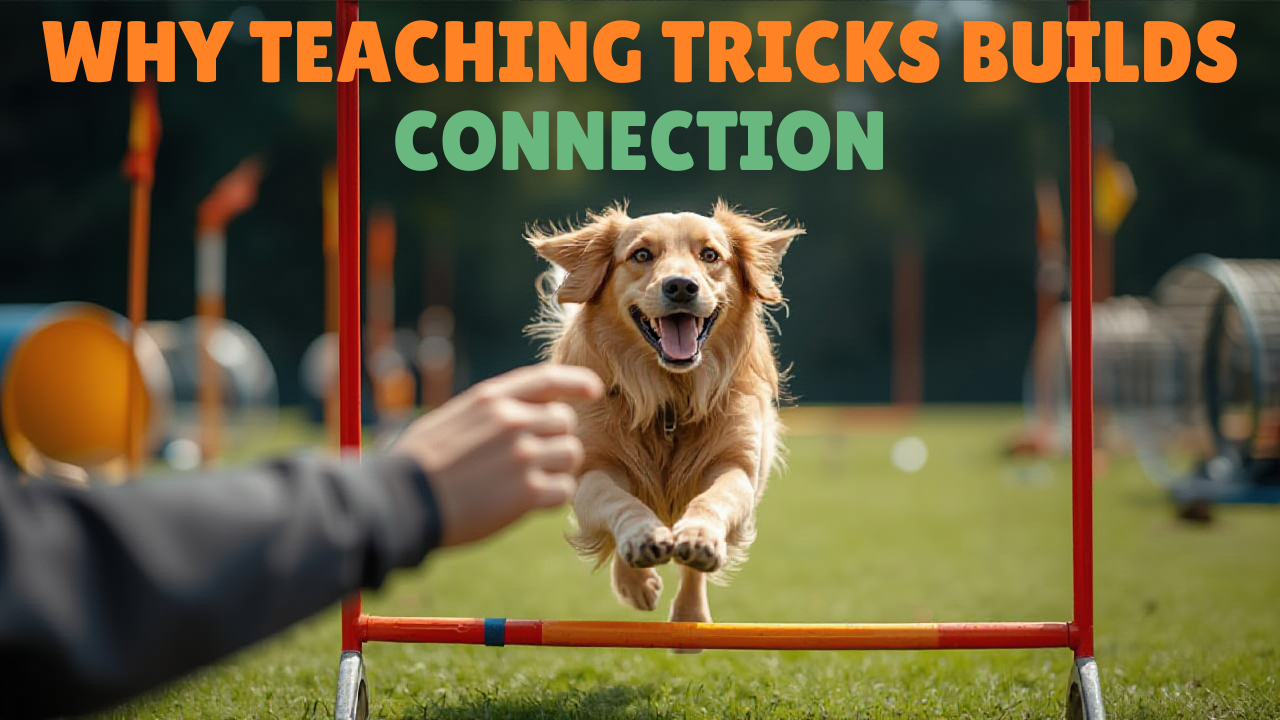
Teaching a pet a trick can look like a simple moment: a treat in your hand, a curious dog tilting their head, a cat watching carefully, and a little burst of excitement when something finally clicks. It’s often fun, sometimes messy, and usually full of small surprises.
But many owners notice something deeper over time. Trick training isn’t just about getting a pet to sit, spin, or give a paw. It often becomes a shared routine—one that creates attention, communication, and trust in ways that feel quietly meaningful.
So why does teaching tricks build connection? Here’s a calm, everyday look at what owners often notice as they practice together.
1) It Creates Focused Time Together
In everyday life, pets are often around us while we do other things—working, cooking, scrolling, moving from room to room.
Trick training changes that.
It creates a few minutes where the owner and pet are fully focused on each other. Many people notice that this kind of attention feels different from casual hanging out. It feels more intentional, even if it’s only for a short time.
Over time, those small moments add up.
2) Pets Start Paying Closer Attention to You
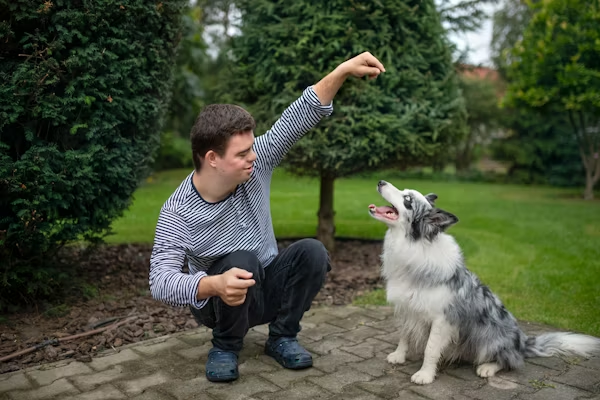
When owners teach tricks, they often notice their pet watching them more carefully.
A dog might:
- Look at your hands
- Track your movements
- Wait for cues
- Respond faster to your voice
A cat might:
- Follow the treat with steady focus
- Pause and observe
- Repeat a behavior when it seems “worth it”
This kind of attention becomes part of the relationship. Owners often describe it as their pet becoming more tuned in to them—not just during training, but in everyday interactions too.
3) It Becomes a Shared “Language”
Tricks are a form of communication.
Even simple behaviors like “sit” or “touch” create a back-and-forth pattern: the owner gives a cue, the pet responds, and both understand what just happened.
Over time, this builds a shared language that makes other situations feel smoother too—not because tricks solve everything, but because communication becomes clearer.
Many owners say this is one of the biggest reasons why teaching tricks builds connection: it strengthens the feeling that you’re learning each other’s signals.
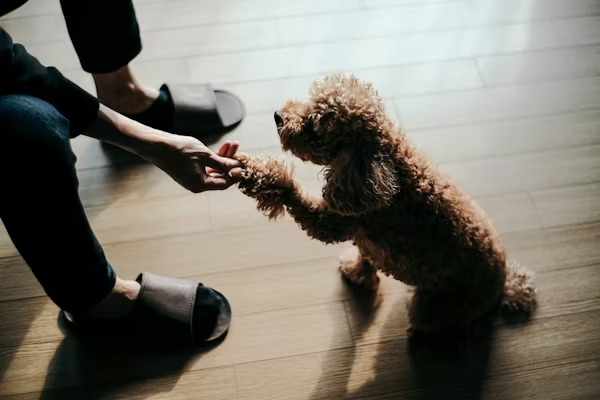
4) It Builds Trust in Small Ways
Trust doesn’t always come from big moments. It often comes from repeated small ones.
Trick training creates many tiny experiences where the pet learns:
- You’re paying attention
- You’re consistent
- The interaction feels positive
- They can safely try again
For owners, there’s trust too—learning how their pet learns, what motivates them, and how they respond when something is new.
This is why trick training can feel like a quiet bonding activity rather than a performance.
5) Success Feels Shared
When a pet learns a trick, the moment doesn’t just feel like the pet “did something right.” It feels like you both achieved something together.
Owners often notice:
- They celebrate instinctively
- Their pet seems proud or excited
- The mood becomes playful
- The bond feels a little stronger
Even if it’s just “shake” or “roll over,” that shared success can feel surprisingly warm. It’s not about the trick itself—it’s about the teamwork behind it.
6) It Brings Out Personality
Trick training often reveals parts of a pet’s personality that owners hadn’t noticed before.
Some pets are eager learners. Some are cautious thinkers. Some get excited and try everything quickly. Others take their time and observe first.
Owners often say that teaching tricks teaches them more about their pet than they expected. It shows how the pet approaches challenges, what motivates them, and how they handle excitement.
That understanding often strengthens connection because it deepens familiarity.
7) It Adds Play to the Relationship
Many owners love trick training because it turns learning into play.
It can make the relationship feel lighter:
- More laughter
- More engagement
- More shared energy
- More moments of joy
Even pets who don’t “love” training every day often enjoy the attention and interaction. Over time, the training becomes less about the trick and more about the shared fun.
8) Routine Creates Comfort
A small training routine can become something pets look forward to.
Owners often notice that once a pet recognizes the pattern—treats, cues, praise, attention—they show up for it. They sit nearby. They watch closely. They seem ready.
This routine can feel grounding, especially in households with busy schedules. The repetition becomes a familiar connection point in the day.
9) It Encourages Mutual Patience
Trick training rarely goes perfectly every time.
Pets get distracted. Owners mistime cues. Sometimes both feel a little confused. And yet, people keep trying.
Over time, many owners notice that the process encourages patience—for the pet, and for themselves. It’s a small way of practicing calm persistence together, which often carries into other parts of life.
A Calm Takeaway
So, why does teaching tricks build connection? Often because it creates focused time, clearer communication, shared success, and small moments of trust that repeat again and again.
In the end, tricks are less about making a pet “perform” and more about building a relationship through attention and teamwork. And over time, many owners realize that those simple training moments become some of the most bonding moments of all—because they’re shared, intentional, and full of quiet understanding.
Ai Insights: Over time, many owners notice that teaching tricks strengthens connection less through the tricks themselves and more through the repeated moments of attention, shared communication, and small successes.