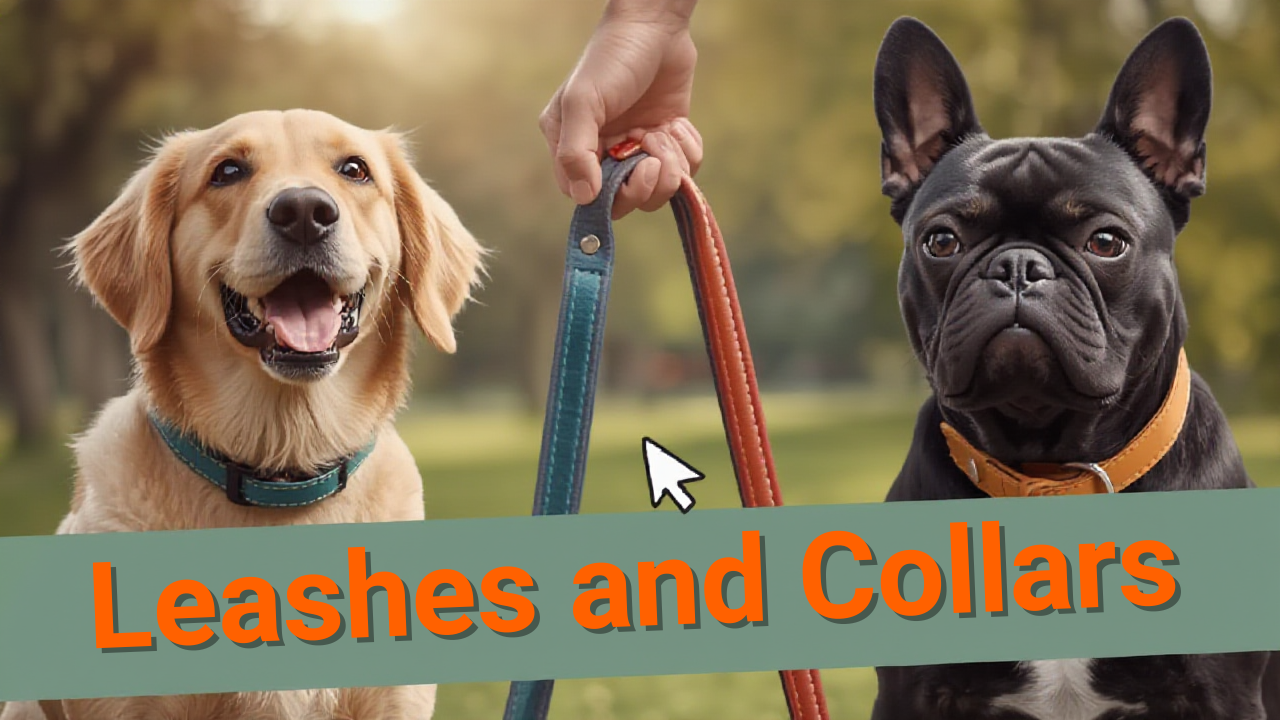
Walk into any pet store, and you’ll see an entire wall of leashes and collars—nylon, leather, reflective, padded, hands-free, retractable, simple buckle styles, martingales, harness-compatible options, and more. It can feel like a small decision at first, but many owners quickly realize this is one of the most-used pieces of gear in their daily lives.
Leashes and collars aren’t just accessories. They shape everyday walks, training routines, and even how a dog moves through the world. That’s why owners tend to choose them carefully—not necessarily with expert-level research, but with practical attention to what feels comfortable and easy.
If you’ve ever wondered how owners choose leashes and collars, here are the most common factors people think about, in a calm, everyday way.
1) Comfort Comes First
Most owners start with a basic question: Will this feel comfortable for my dog?
They often look for things like:
- Soft or padded material
- Smooth edges that won’t rub
- Proper width for the dog’s size
- Lightweight feel for small dogs
Owners also pay attention to comfort for themselves. A leash that hurts your hand or feels awkward to hold quickly becomes annoying on daily walks, especially with stronger or more energetic dogs.
Comfort is often the first filter because it affects every single outing.
2) Size and Fit Matter More Than Appearance
A leash or collar might look great, but owners usually care more about fit.
They often consider:
- Neck size and adjustability
- Whether the collar stays secure without being tight
- Whether the leash clip feels sturdy
- Whether the dog slips out of certain styles
Many owners learn that the “right” collar is one you barely notice once it’s on—secure, but not distracting.
3) Daily Routine Shapes the Choice
How owners walk their dogs often determines what kind of leash and collar makes sense.
For example:
- City walkers may prefer shorter leashes for control
- Trail walkers may like longer or hands-free leashes
- Owners with strong dogs may choose thicker materials
- People with calm dogs may choose lightweight, simple styles
Over time, owners tend to choose gear that matches their own routine, not just what looks nice in a store.
4) Safety and Control Are Major Factors
Many owners choose based on how much control they need.
Some dogs pull, get excited, or react to distractions. In those cases, owners often look for:
- Strong hardware
- Secure buckles
- Comfortable grip
- Reliable clips
Even for calm dogs, owners still pay attention to whether a leash feels steady. Since walks are daily, people often want gear that feels predictable and safe.
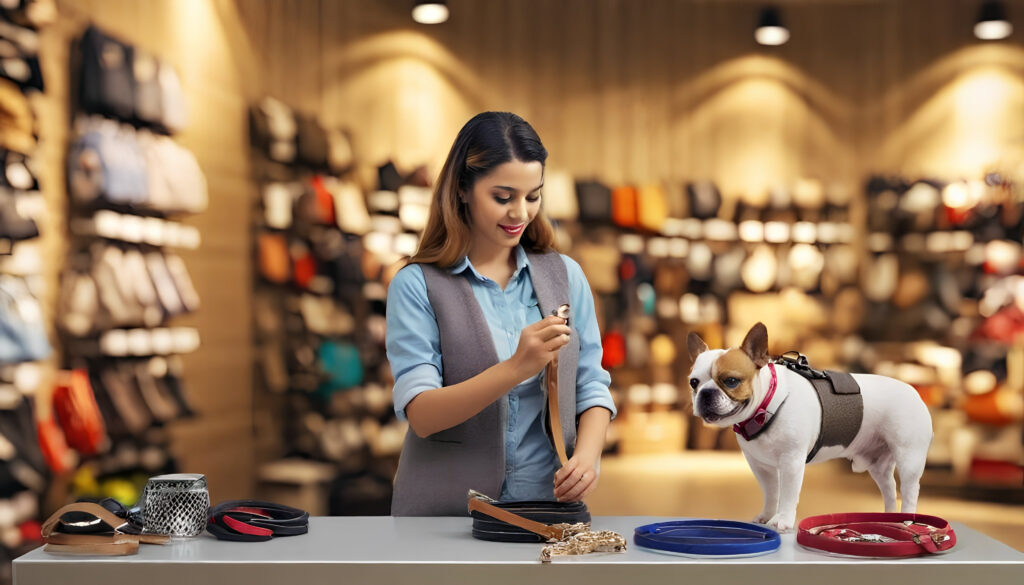
5) Durability Becomes Important Over Time
One thing owners often learn after a few months: leashes and collars wear out.
Owners begin to notice:
- Fraying edges
- Weakening stitching
- Hardware that gets stiff
- Material that absorbs odor or dirt
That’s why many people choose materials that hold up well—especially if they walk daily, live in rainy climates, or have a dog that loves mud, swimming, or rolling in grass.
6) Reflective and Visibility Features Are Popular
Owners who walk early in the morning or at night often look for reflective details.
They may choose:
- Reflective stitching
- Bright colors
- LED clip-ons
- Collars that stand out in low light
Even if it’s not a primary factor, visibility is something many owners appreciate once they’ve experienced a walk in poor lighting.
7) Style Still Matters (But Usually Second)
A lot of owners do care about how gear looks—because it’s part of daily life and often part of photos too.
People often pick:
- Colors that match the dog
- Styles that fit their personality
- Coordinated leash and collar sets
But for most owners, style comes after comfort, safety, and practicality. If something looks great but feels uncomfortable or flimsy, it usually doesn’t last long.
8) Convenience Features Influence Decisions
Some leashes and collars include small features that make life easier.
Owners often like:
- Quick-release buckles
- Adjustable leash lengths
- Extra handles for better control
- Pockets or bag holders
- Hands-free waist clips
These details might not matter at first, but many owners come to appreciate them once walking becomes routine

9) Training Needs Can Shape What Owners Buy
Some owners choose different gear depending on how their dog walks.
For dogs who pull or lunge, owners sometimes look for gear that works alongside training routines, such as:
- Martingale collars
- Front-clip harness setups
- Non-slip materials
- Leashes with better grip
Even owners with well-trained dogs often choose gear that supports calm walking habits.
10) Many Owners End Up Owning More Than One
One of the funniest truths is that owners rarely stick with one leash forever.
Over time, many people end up with:
- A basic everyday leash
- A longer leash for parks or training
- A lightweight travel leash
- A backup collar “just in case”
This happens because different situations call for different tools—and once owners get used to walking with a dog, they start noticing what works best for different outings.
A Calm Takeaway
So, how do owners choose leashes and collars? Usually, thinking about comfort, fit, daily routine, control, durability, and small convenience features makes walks feel smoother.
Most owners aren’t trying to overcomplicate it. They simply want something reliable that helps everyday life feel easier—for both the dog and the person holding the leash. Over time, the best leash or collar becomes the one you don’t have to think about—because it just works, day after day.
Ai Insights: Over time, many owners notice that leash and collar choices become less about style and more about what feels consistently comfortable, secure, and easy to use on everyday walks.