Switching a cat’s food often starts as a simple decision—maybe a flavor runs out, a new option catches your eye, or your cat just seems less interested in mealtime. But once the change happens, many cat owners find themselves paying closer attention than they expected.
Cats are observant, routine-loving creatures, and even small changes can feel noticeable in daily life. While every cat is different, there are a few common things owners tend to notice over time after changing food.
Here’s a calm, everyday look at what cat owners notice after changing food, without jumping to conclusions or overanalyzing.
Mealtime Reactions Often Change First
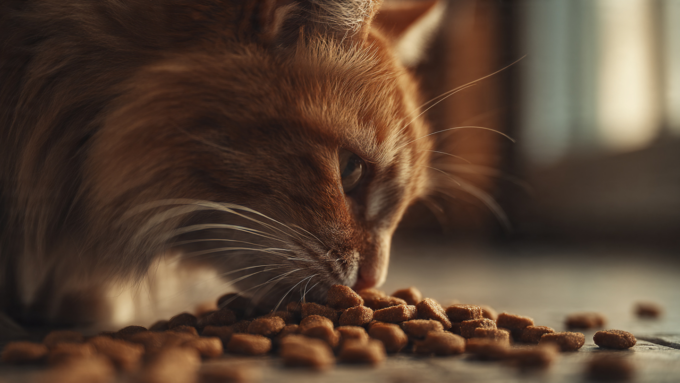
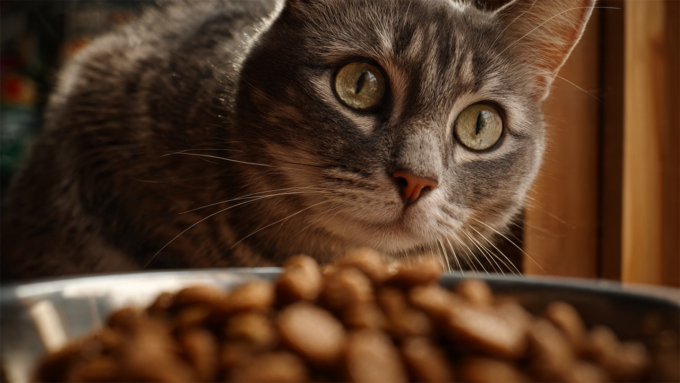
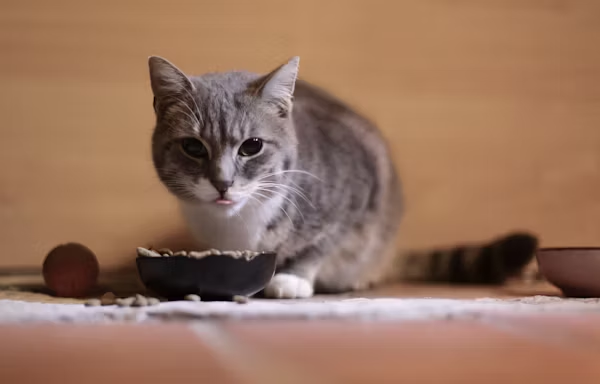
One of the earliest things owners notice is how their cat approaches the bowl.
Some cats become more eager—showing up early, vocalizing, or finishing meals quickly. Others may sniff carefully, take a few bites, and walk away before returning later.
Cats often respond strongly to smell and texture, so even a small difference can affect how interested they seem at first.
Eating Pace Can Shift
After a food change, some owners notice their cat eats more slowly or more quickly than before.
A cat might:
- Take small bites and pause often
- Eat a full portion in one sitting
- Pick at food throughout the day
These changes don’t always mean preference or dislike; sometimes they simply reflect curiosity or adjustment to something new.

Bathroom Habits Become More Noticeable
Like dog owners, cat owners often pay close attention to litter box habits during a food switch.
People may notice changes in:
- Frequency
- Timing
- Texture
- Smell
Even when everything stays within a normal range, owners tend to watch this closely because it’s one of the clearest daily signals tied to food.
Water Intake May Look Different
Some owners notice their cat visiting the water bowl more—or occasionally less—after changing food.
This can depend on:
- Whether the food is wet or dry
- The moisture content
- The cat’s individual habits
These changes are often subtle, but they stand out when owners are paying closer attention than usual.
Energy and Mood Can Shift Slightly
Cats are known for their rhythms—bursts of play followed by long naps.
After changing food, some owners notice small differences such as:
- Slightly more playfulness
- Longer naps
- A calmer or more alert mood
- Different timing for activity
These shifts are often gradual and can be influenced by many factors, but food is one part of the daily routine owners tend to notice.
Coat and Grooming Habits May Feel Different Over Time
Over longer periods, some owners notice changes in how their cat’s coat feels.
They might observe:
- A softer texture
- A glossier look
- More or less shedding
- Changes in grooming frequency
These observations usually happen slowly and are often mentioned when owners reflect back over weeks rather than days.
Cats Often Show Clear Preferences
Cats are known for having opinions, and food changes can make those opinions visible.
Owners may notice behaviors like:
- Meowing at mealtime
- Leaving food untouched until a different option appears
- Eating certain flavors first
- Returning to the bowl only when the owner is nearby
These behaviors often become part of the conversation when owners talk about food changes.
Routine Awareness Increases—for Owners Too
One interesting thing many people notice is that changing food makes them more aware of their cat’s habits overall.
Owners often find themselves watching:
- Portion sizes
- Mealtime timing
- Eating patterns
- Daily rhythms
Sometimes the biggest change isn’t the cat—it’s how closely the owner is observing.
Adjustment Happens Gradually
For most cats, food changes don’t settle instantly.
Owners often notice an adjustment period where behaviors slowly return to a steady rhythm. What feels new at first eventually becomes normal, and the food blends into the background of daily life again.
This gradual settling is one of the most common themes when people talk about changing cat food.
A Calm Takeaway
So, what do cat owners notice after changing food? Usually it’s the small, everyday patterns: mealtime interest, eating pace, litter box habits, water intake, and subtle shifts in energy or mood.
Over time, many owners find that once the new routine settles in, the food itself becomes less noticeable—while the comfort of a predictable rhythm becomes the real sign that the change has blended into daily life.
Ai Insights: Over time, many cat owners notice that a food change often shows up in small routines first—how their cat approaches the bowl, how steady litter box patterns feel, and how quickly mealtimes return to a familiar rhythm.