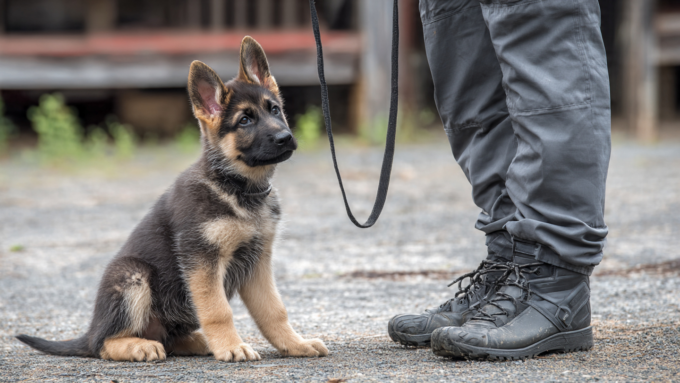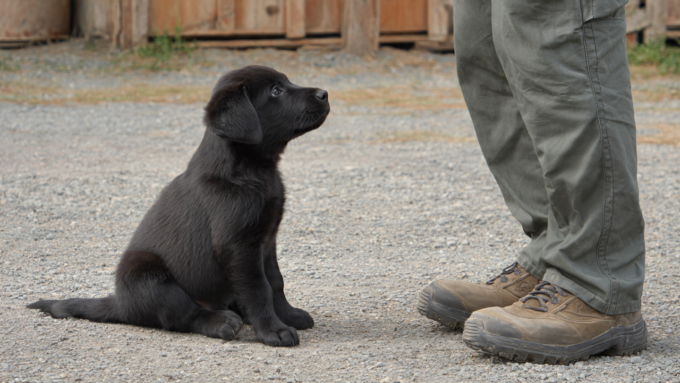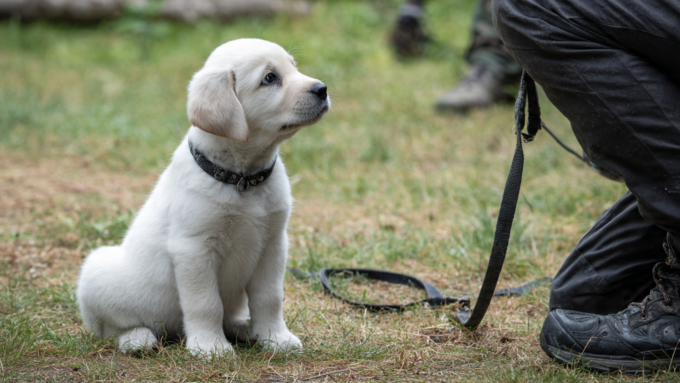
Bringing a puppy home is exciting—and a little chaotic. Everything is new: the space, the sounds, the people, and the routines. During this early stage, many owners naturally begin introducing simple training moments, often without even realizing it.
Early training doesn’t usually look like formal lessons. It’s more about everyday interactions—calling a name, encouraging a sit, rewarding calm behavior, or gently guiding a puppy through new experiences. Over time, owners begin noticing how puppies respond to these early efforts in ways that feel subtle but meaningful.
Here’s a calm, everyday look at how puppies respond to early training, based on patterns many owners observe as weeks go by.
Puppies Learn Through Repetition and Routine
One of the first things owners notice is that puppies respond best to repeated patterns.
When the same cues, actions, and responses happen consistently, puppies begin to recognize what’s expected. This might show up as:
- Responding to their name more quickly
- Anticipating routines like meals or walks
- Sitting automatically in familiar situations
These responses don’t usually appear all at once—they build gradually as repetition turns into familiarity.
Attention Often Improves Over Time
Early on, puppies are easily distracted.
Everything competes for their attention: smells, sounds, movement, and curiosity. But with gentle, repeated interaction, many owners notice their puppy starts focusing more during short training moments.
Over time, puppies may:
- Make more eye contact
- Stay engaged slightly longer
- Respond faster to familiar cues
This shift is often subtle, but it’s one of the clearest signs owners notice as training becomes part of daily life.
Confidence Can Grow Through Familiar Experiences
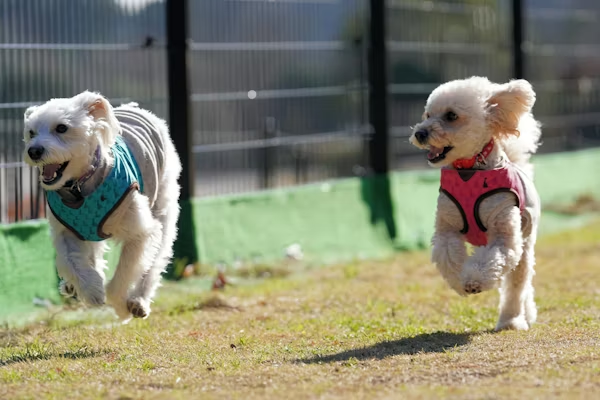
As puppies are introduced to simple training in familiar environments, many owners notice an increase in confidence.
This might look like:
- Less hesitation in new situations
- More willingness to try behaviors
- Faster recovery after excitement or distraction
Early training often overlaps with learning about the world, and repeated positive experiences can help puppies feel more comfortable navigating everyday situations.
Responses Are Not Always Consistent
One thing nearly all owners notice: puppies are inconsistent.
A puppy might respond perfectly one day and seem completely unaware the next. This inconsistency is common, especially in early stages, and often reflects excitement, tiredness, or distraction rather than lack of learning.
Over time, owners learn to expect these ups and downs as part of how puppies process new information.
Body Language Becomes More Expressive
As training continues, many owners notice changes in how puppies communicate.
Puppies may:
- Sit quickly and wait
- Offer behaviors they’ve learned
- Watch closely for cues
- Show excitement when routines begin
These behaviors often indicate that the puppy recognizes patterns and understands that interaction is happening—even if they don’t always get it right.
Short Sessions Tend to Fit Puppy Energy
Early training usually happens in brief moments rather than long sessions.
Owners often notice that puppies respond best in short bursts, where attention stays high and frustration stays low. Over time, these short interactions become part of everyday play and routine rather than something separate.
This rhythm often feels natural for both the puppy and the owner.
The Bond Develops Alongside Learning
One of the most meaningful things owners notice is that training and bonding happen together.
As puppies learn cues and routines, owners often feel:
- More connected
- More attuned to their puppy’s signals
- More confident handling everyday situations
Training becomes less about “teaching commands” and more about learning how to communicate with one another.
Progress Often Feels Gradual, Not Dramatic
Early training rarely comes with big, obvious milestones.
Instead, owners usually notice:
- Small improvements adding up
- Fewer reminders needed
- More predictable responses
- A smoother daily rhythm
Looking back after a few weeks, many owners realize how much their puppy has learned—even if it didn’t feel dramatic day to day.
A Calm Takeaway
So, how do puppies respond to early training? Most often, through small, steady changes: growing attention, increasing confidence, familiar routines, and a developing sense of communication with their owner.
Over time, many owners find that early training isn’t just about teaching skills—it’s about helping a puppy learn how to engage with the world and the people they trust, one gentle step at a time.
Ai Insights: Over time, many owners notice that puppies respond to early training in small stages—brief bursts of focus, gradual confidence, and steadily clearer communication as routines become familiar.