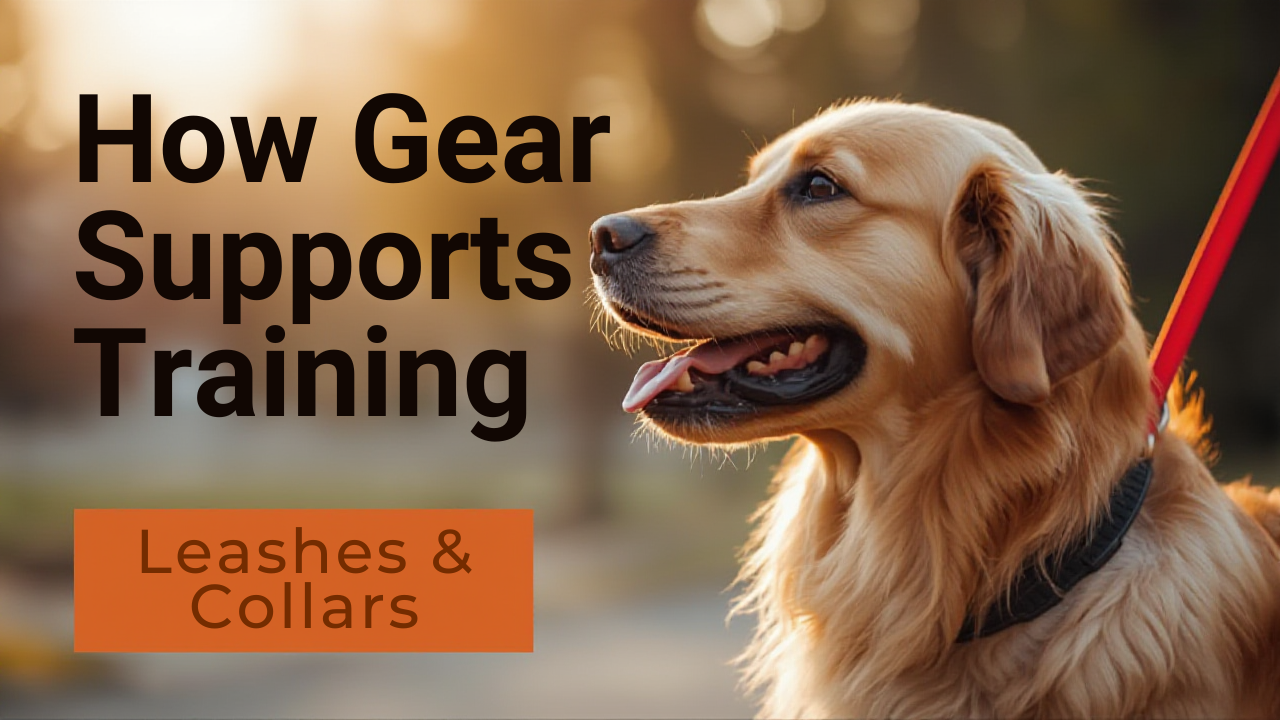
Training a pet often sounds like it’s all about behavior—cues, consistency, and repetition. But in real life, many owners notice something else matters too: the gear they use every day.
Leashes, collars, harnesses, treat pouches, clickers, long lines, and even simple toys can shape how training sessions feel. Not because gear “does the work,” but because it can make training easier to practice, easier to manage, and easier to repeat in everyday life.
If you’ve ever wondered how gear supports training goals, here’s a calm, practical look at the ways owners often experience it over time.
Gear Helps Create Clear Structure
One of the biggest ways gear supports training is by creating structure.
Certain items help signal what’s happening:
- A leash going on can mean it’s time to walk calmly
- A training pouch can mean focused practice time
- A harness can signal outdoor activity
- A long line can mean exploration with limits
Pets often learn these patterns through repetition. Over time, gear becomes part of the routine cue that tells a pet what kind of behavior is expected.
It Improves Control in Real-World Situations
Training doesn’t only happen in quiet rooms.
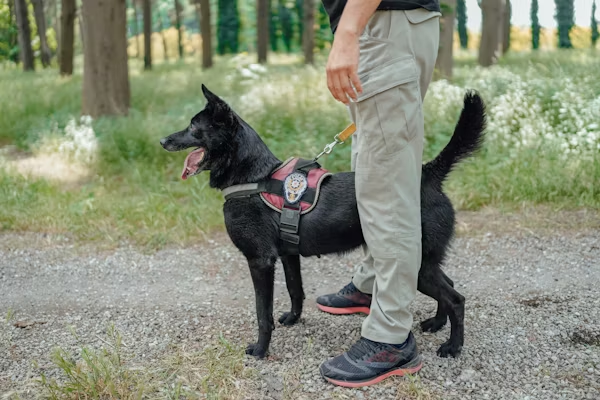
Many owners work on skills in real environments—sidewalks, parks, busy streets, or pet-friendly spaces. In these settings, gear helps owners maintain control while still practicing behaviors.
Owners often notice that having steady, reliable equipment makes it easier to:
- Keep a dog close when needed
- Create space around distractions
- Prevent sudden lunges or pulling
- Stay calm in unpredictable moments
This doesn’t replace training, but it can make training feel more manageable in the real world.
Gear Can Reduce Friction During Practice
When training feels awkward, people tend to do less of it.
Gear often supports training goals by reducing small frustrations, like:
- Leashes that tangle easily
- Poor grip during pulling
- Treats that are hard to access quickly
- Collars that slip or twist
- Harnesses that shift during movement
When gear fits well and works smoothly, owners often notice they train more consistently—because the sessions feel easier to run.
It Helps Reinforce Calm Walking Habits
For many owners, walking is the most common training goal.
Gear supports this by helping create a more comfortable walking experience. A leash with better grip, a harness that feels steady, or a collar that sits properly can make the walk feel more controlled.
Over time, many owners notice that when walks feel smoother, it becomes easier to practice calm behaviors without constant interruptions.
Some Gear Helps Expand Training Options
Certain training tools give owners more ways to practice safely.
For example:
- Long lines allow recall practice while still maintaining distance
- Harnesses can provide a secure connection for outdoor training
- Interactive toys can support focus and engagement
- Treat pouches make rewards faster and more consistent
Owners often notice that the right gear opens up training opportunities they might not attempt otherwise, simply because it feels easier to manage.
Gear Supports Consistency
Training often depends on repetition.
If gear is simple to use, easy to grab, and works reliably, owners tend to use it the same way every time. That consistency helps create predictable patterns for pets.
Over time, gear becomes part of the training routine—not as a “solution,” but as a stable tool that supports repeatable practice.
It Can Improve Owner Confidence
One subtle way gear supports training goals is by affecting how the owner feels.
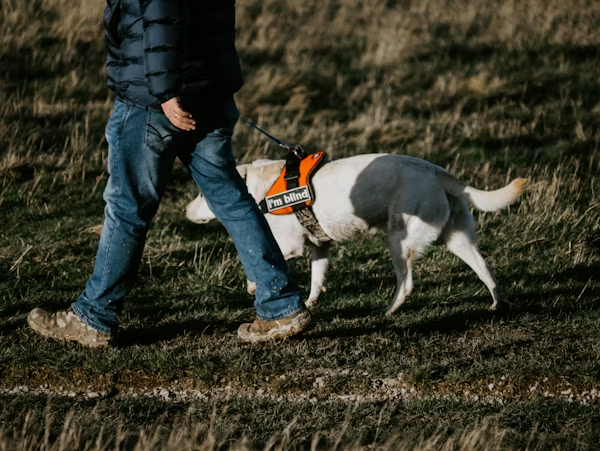
When someone feels prepared and equipped, they tend to be calmer. That calmness often changes the tone of training sessions. Owners often notice they’re more willing to practice skills when they feel they have the right setup.
Confidence doesn’t come only from perfect training—it often comes from having a plan and tools that make things feel manageable.
It Helps Training Blend Into Everyday Life
Training goals are easier to reach when training doesn’t feel separate from life.
Gear helps because it’s part of daily routines:
- Putting on a leash before a walk
- Carrying treats during outings
- Using toys to reinforce attention
- Practicing calm waits at doors
Over time, owners often notice that the more training blends into everyday routines, the more natural it feels—and gear is often what makes that blending possible.
A Calm Takeaway
So, how does gear support training goals? Usually by making practice easier to structure, easier to repeat, and easier to manage in real life. Gear doesn’t replace training, but it can reduce friction and create consistency—two things owners often appreciate as they work toward better communication with their pets.
In the end, the most supportive gear tends to be the gear that feels simple and reliable—because it helps training become part of everyday life, not an extra task.
Ai Insights: Over time, many owners notice that the right gear supports training by making everyday practice feel more structured and consistent, especially during walks and real-world distractions.