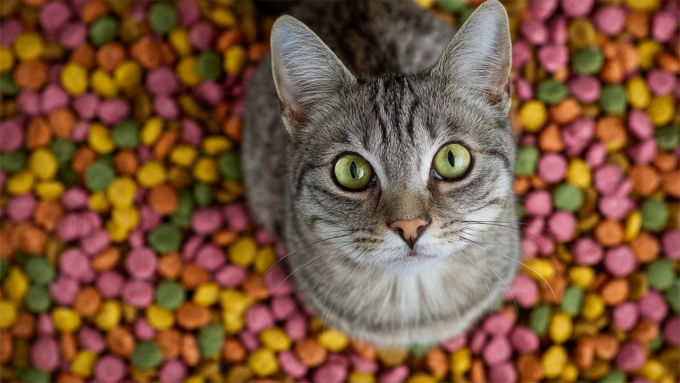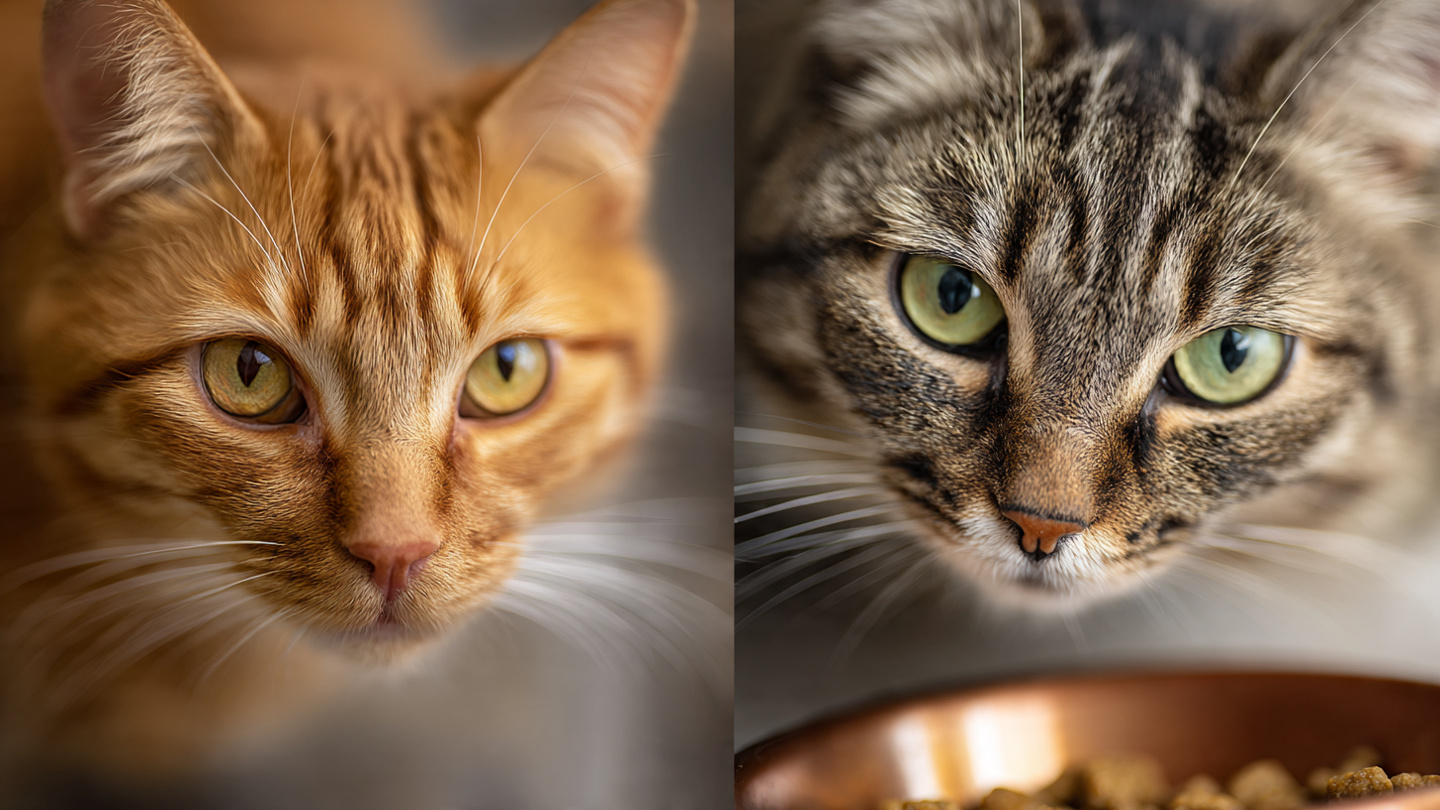
You set the bowl down, expecting your cat to eat right away. Instead, they pause. A careful sniff. A small lick. Maybe they walk off, only to return later like nothing happened. Moments like this are incredibly familiar to cat owners, and they often spark quiet curiosity.
Many people assume taste is the main factor behind these reactions. But over time, owners start to notice something else at play. Texture, not flavor, often shapes how a cat approaches food. The way a meal feels can matter just as much as how it smells.
Some days your cat crunches confidently. Other days they gently lick around the bowl. These small shifts can feel puzzling, but they’re part of how cats experience their world. Understanding how cats react to different food textures can make daily feeding feel calmer and more intuitive.
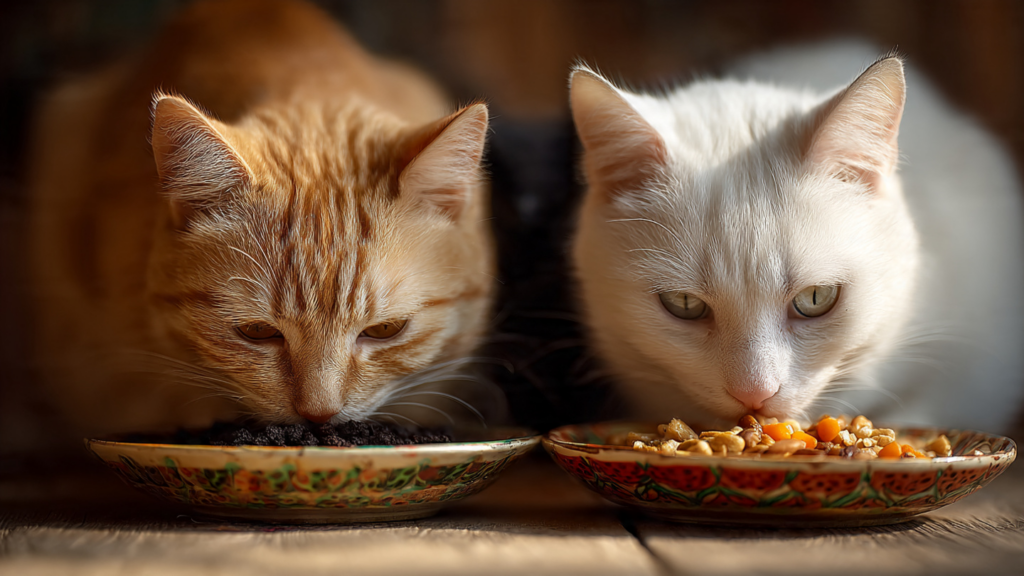
Texture preferences don’t mean a cat is being difficult. They’re simply responding to sensation, familiarity, and comfort in their own quiet way.
✨ AI Insight:
As feeding routines have become more structured, technology has quietly helped owners notice subtle patterns, like texture preferences, by organizing habits and observations over time.
Why Texture Matters to Cats
Cats rely heavily on sensory feedback. The way food feels in their mouth is part of how they decide whether something feels safe, familiar, or enjoyable.
Texture influences how a cat bites, licks, or chews. It affects the pace of eating and even how engaged they seem during a meal. For many cats, texture becomes part of their routine, something they come to expect each day.
Because cats value consistency, the physical feel of food can be comforting. A familiar texture can signal that everything is as it should be.
Crunchy Textures and Sensory Engagement
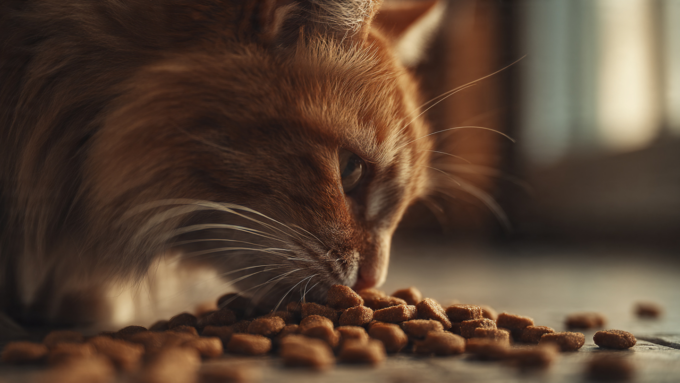
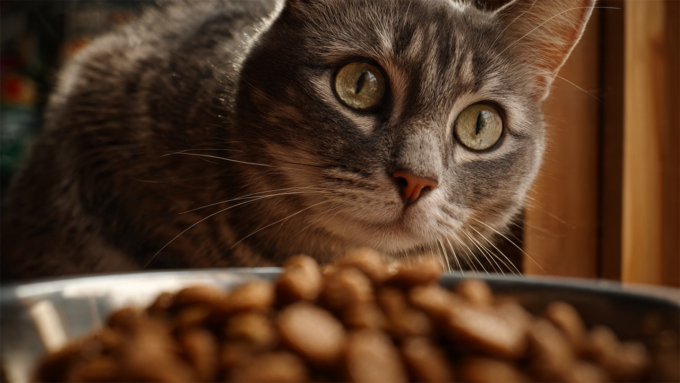
Crunchy foods often create an immediate response. The sound and resistance can grab a cat’s attention and invite interaction.
Some cats approach crunchy textures with confidence, settling into a steady rhythm as they eat. Others take their time, nibbling slowly and treating the meal more like a casual activity than a focused event.
The appeal isn’t universal. While some cats clearly enjoy the sensation of crunch, others lose interest quickly. These reactions simply reflect how individual cats process sensory input.
Soft and Smooth Textures as Comfort
Smooth foods often lead to a quieter, more relaxed mealtime. Cats who prefer these textures tend to lick rather than chew, staying close to the bowl until they’re finished.
Owners often notice a calmer posture during these meals. The cat may seem settled, focused, and unhurried. The consistency of smooth textures can feel predictable, which many cats find reassuring.
For cats that enjoy routine, smooth textures offer the same experience from start to finish, without surprises.
Mixed Textures and Curious Reactions
Foods that combine solid pieces with liquid often lead to the most interesting reactions. Many owners recognize the familiar pattern of a cat carefully licking away the gravy and leaving the rest behind.
This behavior isn’t confusion or fussiness. It’s a clear expression of texture preference. The liquid feels appealing, while the solid pieces may require more effort or feel unfamiliar.
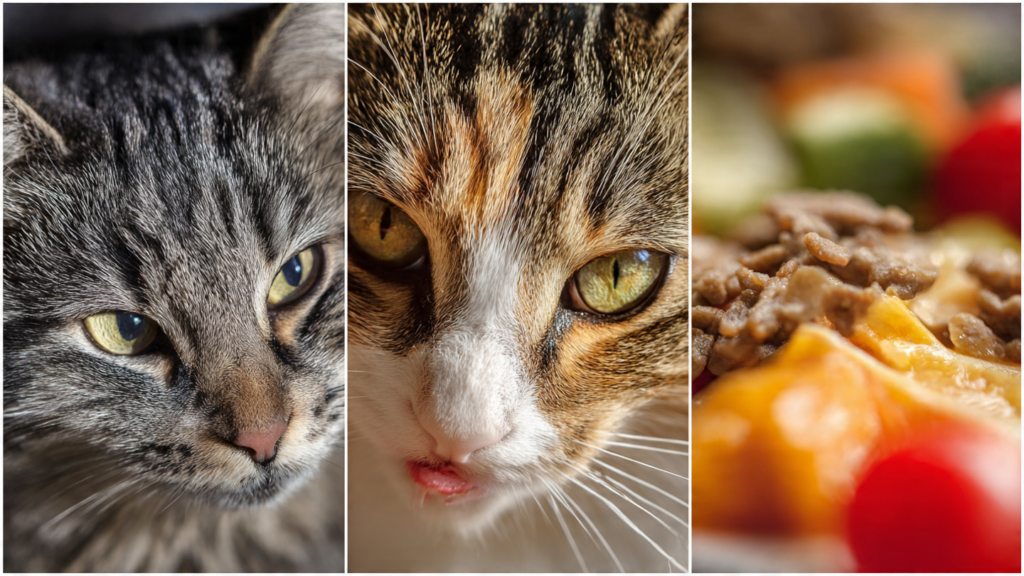
Some cats eventually return to investigate the leftovers, while others decide the experience is complete. Both responses are entirely normal.
Shredded and Flaked Foods as a Middle Experience
Shredded or flaked textures often sit between smooth and chunky, creating a different kind of interaction. Cats may pull pieces apart, move them around the bowl, or eat in short bursts.
This type of texture can feel engaging without being overwhelming. For curious cats, it adds variety while still feeling manageable.
Owners sometimes describe these meals as playful. The cat seems involved, interacting with the food rather than simply consuming it.
How Cats Communicate Texture Preferences
Cats don’t explain their preferences directly, but their behavior during meals speaks volumes.
A confident approach to the bowl, steady eating, and eager returns often suggest a texture that feels right. Hesitation, selective licking, or long pauses usually point to uncertainty or mild disinterest.
These signals aren’t problems to solve. They’re simply part of how cats communicate comfort and curiosity.
Familiarity Shapes Texture Comfort
Texture becomes meaningful through repetition. When a cat encounters the same texture regularly, it often becomes part of their comfort zone.
Sudden changes can feel unfamiliar, prompting hesitation. This doesn’t mean the texture is disliked, only that the cat needs time to understand it.
Consistency helps textures feel safe. Many owners notice that once a cat accepts a texture, they remain loyal to it for long periods.
Emotional Comfort and Daily Rhythm
Food plays a role beyond nourishment. For cats, mealtime is a predictable moment in the day, and texture contributes to that sense of order.
A preferred texture can reinforce routine, offering a small but meaningful anchor. Especially for indoor cats, these sensory details help structure time and space.
When texture aligns with preference, meals often feel smoother and more peaceful.
Why Owners Notice Texture First
Pet owners are deeply attuned to their animals. Small changes in behavior stand out, especially around daily routines like feeding.
Texture affects how a cat approaches, eats, and finishes a meal, making it one of the most noticeable factors. Recognizing these patterns doesn’t require expertise, just attention and familiarity.
Over time, owners naturally learn what feels right for their cat.
Texture Preferences Can Change
Cats aren’t fixed in their likes and dislikes. Preferences can shift as routines evolve or environments change.
A texture that once felt exciting may lose its appeal, while another becomes newly interesting. These changes reflect curiosity and adaptation, not inconsistency.
Observing without worry allows owners to adjust expectations gently.
Keeping Mealtime Calm and Simple
When texture matches preference, feeding tends to feel easier. There’s less hesitation, less inspection, and more quiet focus.
Familiar setups and consistent experiences help reinforce this calm. Texture, though subtle, plays a key role in creating a peaceful routine.
A Thoughtful Takeaway
Cats experience food through sensation as much as scent. Crunchy, smooth, shredded, or mixed textures all invite different reactions shaped by comfort, routine, and curiosity.
By noticing how cats react to different food textures, owners gain insight into everyday preferences without pressure or overthinking. These small observations help turn daily feeding into a gentle moment of connection, built on understanding and respect.