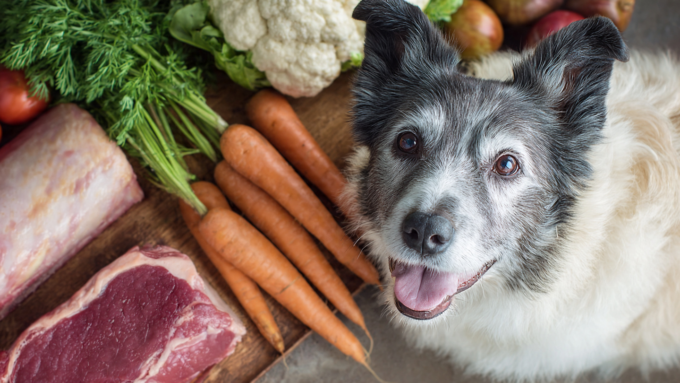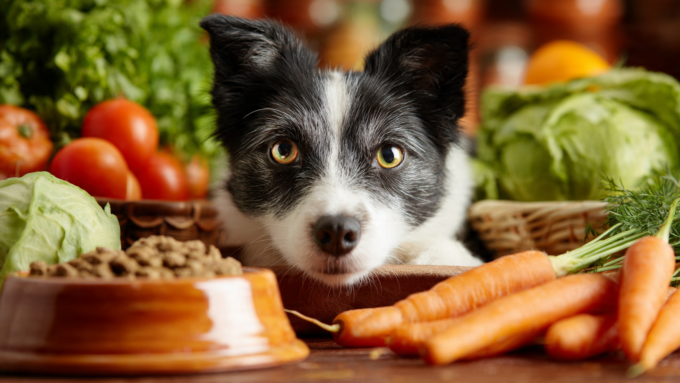
It often starts with a small pause. You set the bowl down, and your pet approaches with a familiar calm, maybe a bit more focus than usual. The moment feels simple, unhurried, and easy to read. Nothing dramatic happens, yet it stands out just enough to be noticed.
Many owners describe this shift not as a big change, but as a different feel to feeding time. Fresh food tends to make everyday moments more noticeable because feeding is such a repeated part of life. When something fits smoothly into that rhythm, it naturally draws attention.
What owners notice when feeding fresh food usually shows up through these quiet details. It’s less about instant reactions and more about how the routine settles over time.
✨ AI Insight:
As people reflect more easily on daily feeding habits, subtle technology has helped highlight patterns in how pets respond to routine changes over longer periods.
A Calmer Approach to the Bowl
One of the first things owners often notice is how their pet approaches the bowl. The movement may feel more direct or focused, without extra circling or hesitation.
This calm approach doesn’t feel rushed or excited. It feels settled, as if the moment is clearly understood.
Because owners see this routine every day, even small shifts in approach stand out naturally.
Feeding Moments Feel More Intentional
Fresh food can make feeding feel like a defined moment rather than a quick task. Owners sometimes notice that meals unfold with fewer interruptions.
The pet eats, finishes, and moves on without lingering uncertainty. The process feels contained and complete.
This sense of intention often makes feeding feel more satisfying for the owner as well.
Familiar Sensory Cues
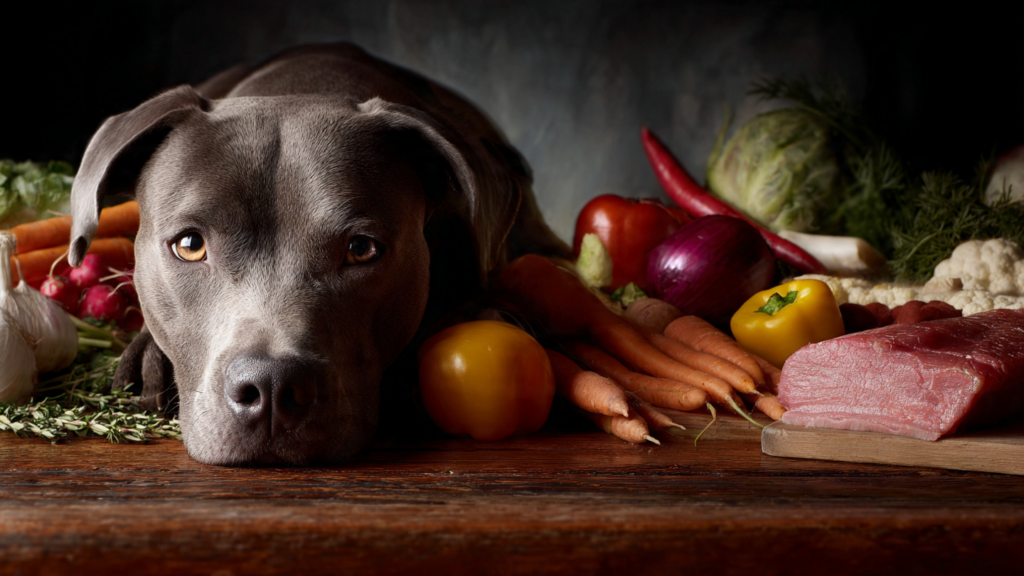
Owners frequently mention how fresh food looks and smells familiar in a way that feels easy to recognize.
These sensory cues can make the feeding moment feel more grounded. There’s less guessing about what’s in the bowl and more comfort in what’s visible.
That familiarity often contributes to a smoother overall experience.
Less Time Spent Inspecting
Another common observation is reduced inspection. Some owners notice fewer long sniffs, pauses, or step-backs before eating.
Instead, the pet seems to understand the meal more quickly. The bowl goes down, and eating begins without extended evaluation.
This doesn’t feel dramatic, but over time it becomes noticeable through repetition.
A Steadier Eating Rhythm
Fresh food often leads owners to notice a consistent eating pace. Meals feel evenly paced rather than rushed or interrupted.
The pet settles into a rhythm and stays with it until the meal is done. This steadiness can feel reassuring, especially for owners accustomed to more variable feeding behavior.
Consistency becomes easier to recognize over days and weeks.
Cleaner Feeding Areas
Some owners notice practical differences around the feeding space. Bowls may look more predictably finished, and the area around them may feel tidier.
These small details contribute to the overall sense that feeding feels smoother and more contained.
Over time, this can subtly change how owners feel about the routine itself.
Predictable Post-Meal Behavior
What happens after eating often becomes more predictable. Owners may notice their pet settling down calmly or returning to familiar activities without lingering near the bowl.
This smooth transition from eating to rest or activity reinforces the feeling that the meal fit naturally into the day.
Predictability becomes one of the most reassuring signals.
Routine Feels More Anchored
Feeding fresh food can make mealtimes feel like clear anchors in the day. Owners may notice that the timing and flow of meals feel more defined.
The routine feels less flexible in a good way, more structured without being rigid.
This anchoring effect often supports a smoother daily rhythm overall.
Owners Feel More Present During Feeding
Some owners notice a change in themselves as well. Feeding fresh food can make them feel more engaged in the moment.
They may pay a bit more attention, not out of concern, but because the routine feels intentional.
This presence can strengthen the shared experience around meals.
Gradual Normalization Over Time
At first, these observations may feel noticeable. Over time, they become normal.
What once stood out becomes the new baseline. Owners may only realize this shift when they think back to earlier routines.
This gradual normalization is one of the clearest signs that the routine has settled.
Fewer Questions During Mealtime
As routines stabilize, owners often notice they ask themselves fewer questions.
There’s less wondering how the meal will go or whether adjustments are needed. The process feels reliable.
This mental ease is an important part of what owners notice over time.
Respecting Individual Responses
Not every pet reacts the same way. Owners are quick to recognize that fresh food fits some routines better than others.
What matters most is how the individual pet responds within their own daily rhythm.
These observations guide owners more than outside expectations.
Observation Without Pressure
Owners often find that feeding fresh food encourages observation rather than analysis.
They notice patterns, not isolated moments. They trust repetition more than first impressions.
This relaxed approach helps routines feel calm and sustainable.
A Thoughtful Takeaway
What owners notice when feeding fresh food usually isn’t dramatic or immediate. It shows up through calmer approaches, steadier rhythms, and routines that feel more anchored in the day.
Through repetition and familiarity, fresh feeding becomes less about change and more about fit. In those quiet, everyday moments, owners often find reassurance in routines that feel natural, predictable, and easy to live with—for both pets and the people who care for them.