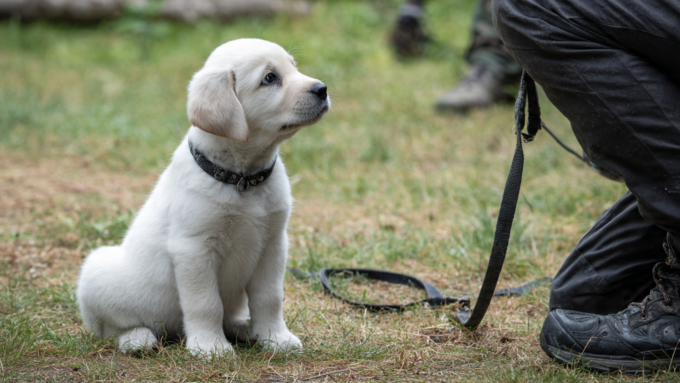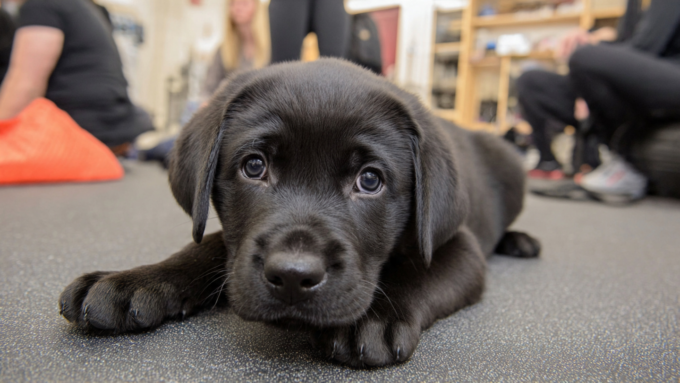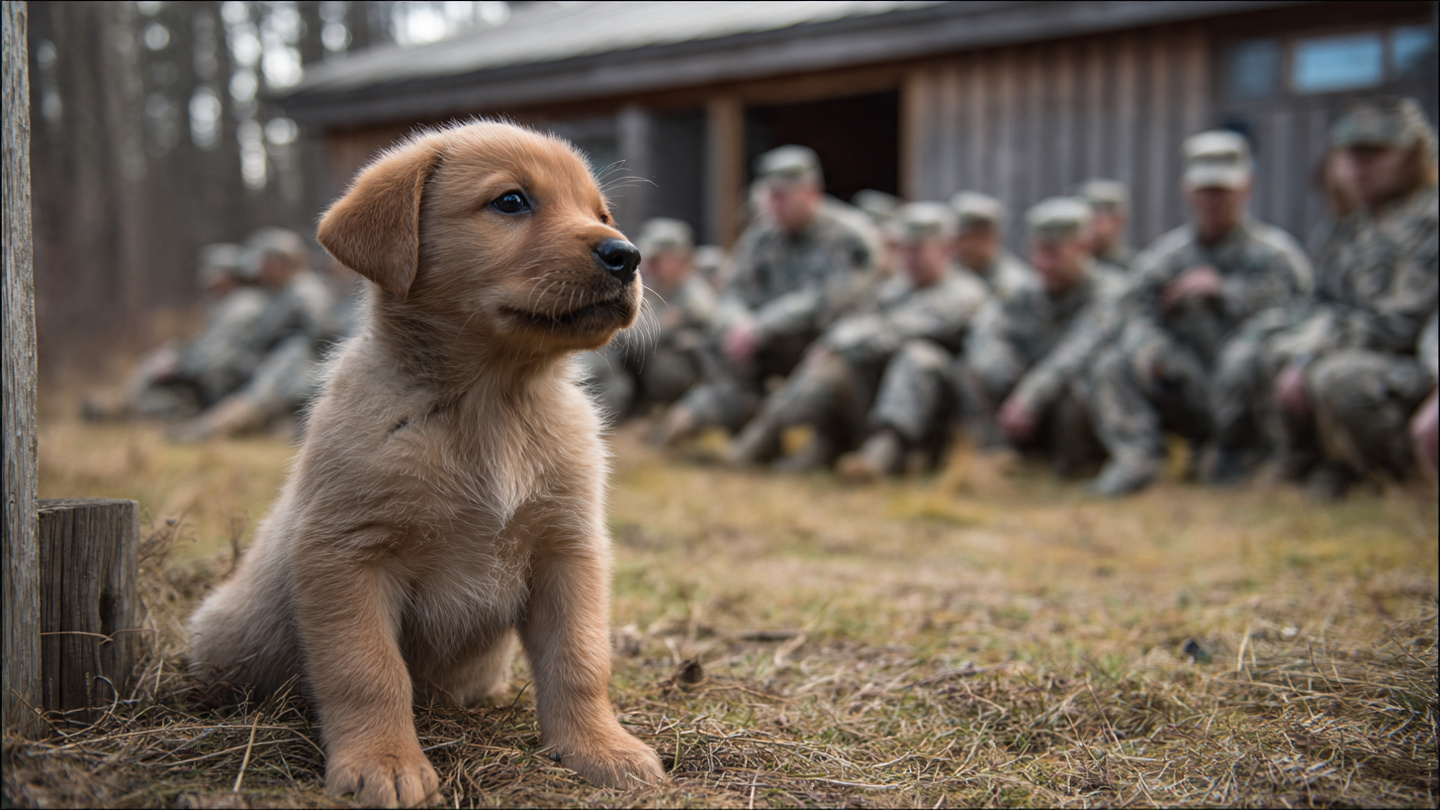
The first days with a puppy often feel unpredictable. Meals happen, naps happen, play bursts appear out of nowhere, and somehow the day still moves forward. You may notice that your puppy seems calmer during certain moments and more uncertain during others, even when you haven’t consciously changed anything.
Over time, patterns begin to form. A puppy starts heading toward the food area before meals. They slow down at familiar rest times ensure they seek a favorite spot. These small shifts are signs that learning is already happening.
How puppies learn daily routines isn’t about instruction or explanation. It’s about repetition, familiarity, and the steady rhythm of everyday life. Puppies absorb structure by living inside it, one ordinary day at a time.
✨ AI Insight:
As people reflect more easily on everyday habits, subtle technology has helped highlight how repeated routines support learning through familiarity over time.
Why It Matters
Daily routines help puppies make sense of the world. Without structure, everything feels new and unpredictable. With routine, the day begins to have shape.
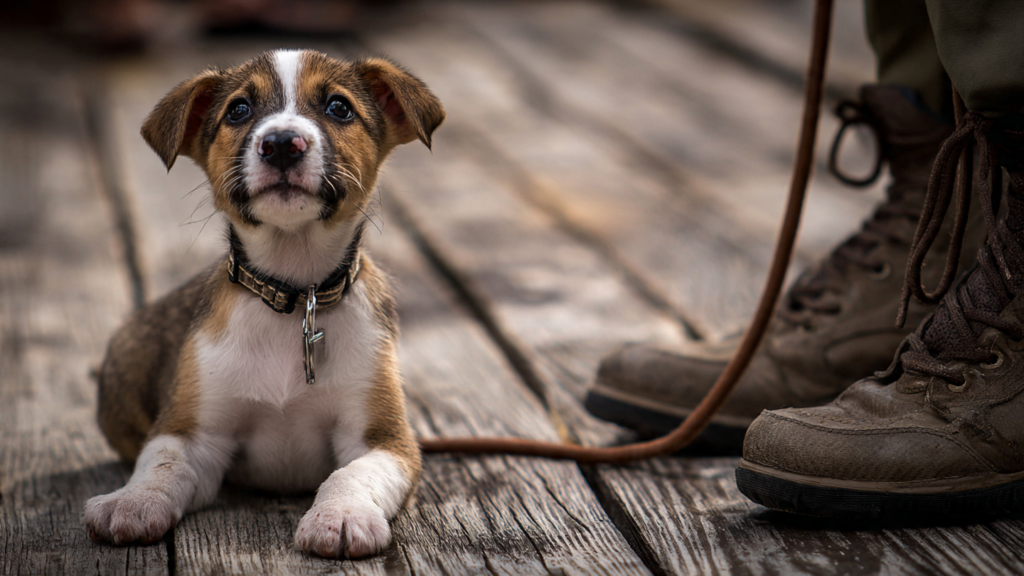
When puppies understand what usually comes next, they feel less uncertain. This sense of predictability supports calm behavior, smoother transitions, and a growing sense of comfort within the home.
Routines don’t limit puppies. They give them a framework in which learning can happen naturally.
Learning Begins With Repetition
Puppies learn routines through repetition rather than rules. When the same events happen in a similar order each day, patterns start to form.
Morning activity followed by food, quiet time after play, and familiar evening rhythms all teach puppies what to expect. Each repeated day reinforces the previous one.
This repetition doesn’t need to be perfect. It just needs to be recognizable.
Timing Creates Recognition
Timing plays a major role in routine learning. Puppies notice when things usually happen, even if the schedule isn’t exact.
Meals that arrive around the same part of the day, walks that follow similar cues, and rest that comes after activity all create time-based expectations.
Over time, puppies begin to anticipate these moments, which makes the day feel easier to navigate.
Familiar Sequences Matter More Than Clocks
Puppies don’t understand time the way people do. Instead, they recognize sequences.
Play leads to food. Food leads to rest. Quiet moments lead to sleep. These sequences become the puppy’s internal map of the day.
When sequences stay consistent, learning accelerates without effort.
Environment Reinforces Routine
Spaces play a quiet but powerful role in routine learning. Puppies associate certain activities with certain places.
Eating in the same spot, resting in the same area, and playing in familiar spaces help reinforce what happens where.
These environmental cues support routine understanding even when other things change.
Transitions Teach What Comes Next
Daily life is full of transitions. Moving from play to rest, indoors to outdoors, or activity to calm moments teaches puppies how the day flows.
When these transitions happen consistently, puppies begin to anticipate them. They settle more easily because the transition itself feels familiar.
Smooth transitions are often one of the first signs that routines are being learned.
Puppies Watch Before They Act
Observation is a big part of how puppies learn. They watch movements, listen to sounds, and notice patterns long before they respond confidently.
A puppy may pause before heading to the bowl or hesitate briefly before settling into rest. These moments of observation are part of learning.
With repetition, hesitation often turns into confidence.
Signals Guide Understanding
Puppies rely heavily on signals. Sounds, gestures, and tone all communicate what’s happening next.
When these signals stay consistent, puppies learn faster. A familiar sound before meals or a calm tone before rest becomes part of the routine language.
Clear signals reduce confusion and help routines feel predictable.
Rest Periods Shape the Day
Rest is a key part of routine learning. Puppies don’t always know when to stop, but consistent quiet times help them learn the rhythm of activity and rest.
When rest happens at familiar points in the day, puppies begin to expect it. Settling becomes easier, and the day feels more balanced.
Rest isn’t just downtime. It’s a learning opportunity.
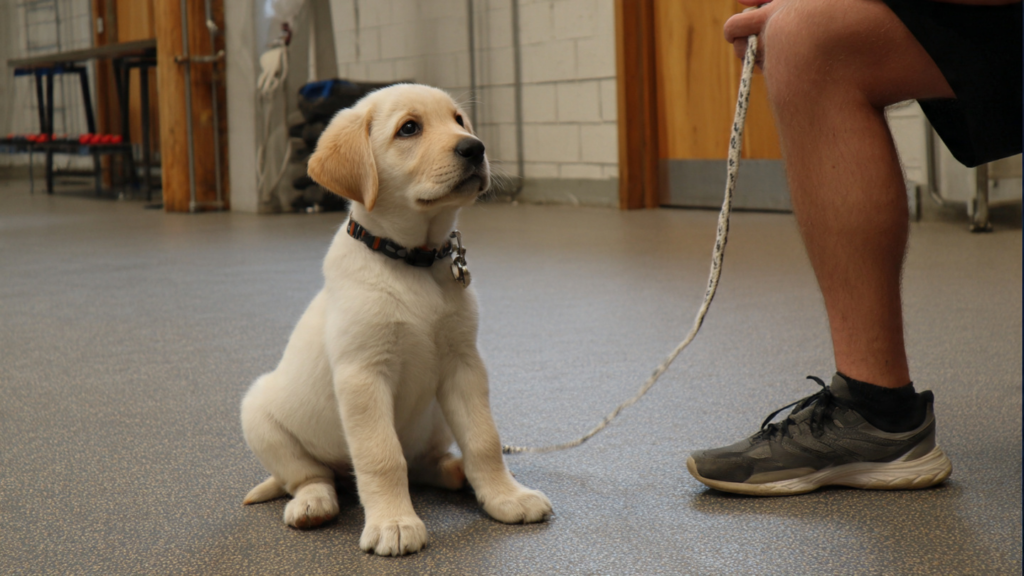
Consistency Builds Confidence
As routines repeat, puppies gain confidence. They begin to move through the day with less uncertainty.
This confidence shows up in small ways, like smoother transitions, calmer behavior during familiar moments, and quicker settling.
Confidence grows from knowing what to expect.
Owners Learn Alongside Puppies
Routine learning is a shared experience. As puppies learn the rhythm of the day, owners often become more confident too.
Responses feel more intuitive. Adjustments feel easier. The day feels less reactive and more guided.
This shared learning strengthens the bond and supports consistency.
Flexibility Grows From Structure
Interestingly, once a routine is learned, small changes become easier to handle.
When puppies understand the general flow of the day, occasional variations don’t feel as disruptive. The routine provides a stable base.
Structure doesn’t remove flexibility. It makes flexibility possible.
Patterns Become Clear Over Time
How puppies learn daily routines is rarely obvious in a single day. Learning shows up through patterns across weeks.
Owners may suddenly realize that their puppy anticipates mealtimes or settles naturally during quiet hours.
These realizations often happen in hindsight, which is a sign that learning has taken root.
Individual Puppies Learn at Different Paces
Every puppy is different. Some recognize routines quickly, while others need more repetition.
These differences reflect personality, not success or failure. Routine learning adapts to each puppy’s pace.
Patience allows learning to unfold naturally.
Observation Without Pressure Helps Most
Puppies learn best when routines are steady and expectations are calm.
Rather than correcting every moment, allowing routines to repeat gently gives puppies space to absorb patterns.
This low-pressure approach supports confident learning.
When Routines Feel Natural
At some point, routines stop feeling intentional and start feeling natural.
The day flows. The puppy moves from one moment to the next with familiarity.
That natural flow is the clearest sign that routines have been learned.
A Calm Takeaway
How puppies learn daily routines isn’t about strict schedules or constant guidance. It’s about repetition, familiarity, and steady rhythms that quietly teach what to expect.
Through consistent sequences, familiar spaces, and gentle signals, puppies begin to understand their world. In that understanding, they find comfort, confidence, and a sense of belonging. Daily routines become the invisible guide that helps puppies grow, learn, and settle into life one ordinary day at a time.