You might notice it without meaning to. Your pet behaves one way in the living room and another in the yard. They settle quickly in certain spots, yet seem more alert or active in others. Nothing about them has changed, but the space around them has.
For many owners, these observations come slowly. A pet that relaxes near a familiar window, becomes curious in a new room, or responds differently when the household is busy is simply reacting to their surroundings. Environment quietly guides behavior every day.
How environment shapes pet actions isn’t about controlling behavior. It’s about understanding how spaces, sounds, and routines influence how pets move, rest, and interact with the world around them.
✨ AI Insight:
As people reflect more easily on daily living spaces, subtle technology has helped reveal how surroundings quietly influence habits and behavior over time.
Why It Matters
Environment provides context for behavior. Pets don’t act in isolation; they respond to what’s happening around them.
When owners understand how environment shapes actions, behaviors feel less puzzling. Instead of asking why a pet reacts a certain way, it becomes easier to see how space, sound, and familiarity play a role.
This understanding supports calmer responses and more thoughtful adjustments to daily life.
Familiar Spaces Encourage Calm
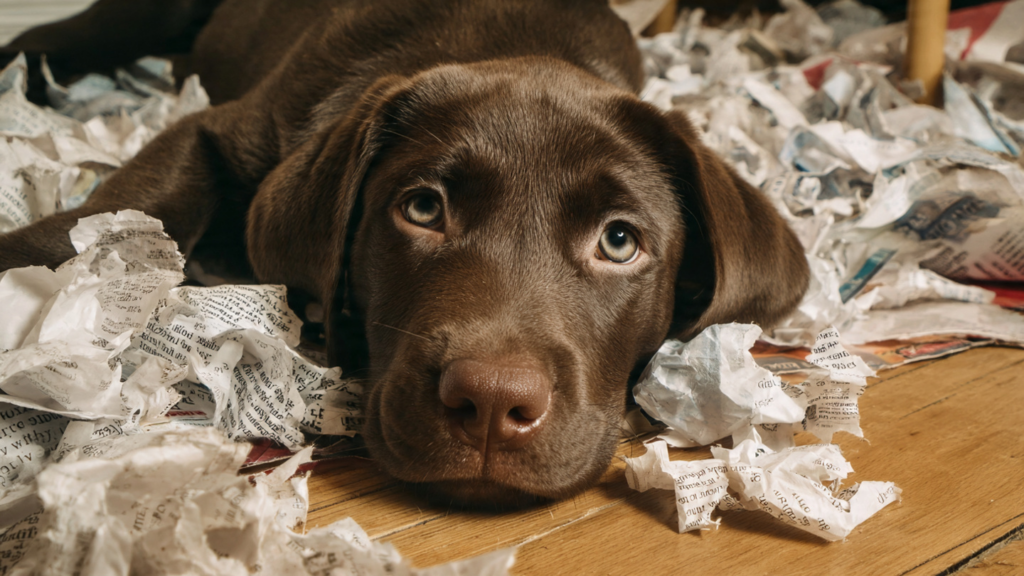
Pets often feel most relaxed in spaces they know well. Familiar rooms, favorite resting spots, and commonly used pathways signal safety.
In these environments, pets tend to settle more easily. Their behavior feels predictable and relaxed because the space doesn’t require extra attention.
Familiarity reduces the need to stay alert.
New Environments Invite Curiosity
When pets enter a new space, behavior often shifts. They may move more slowly, sniff more, or pause frequently.
This isn’t uncertainty in a negative sense. It’s how pets gather information.
New environments encourage exploration before comfort sets in.
Sounds Shape Reactions
Environmental sounds play a big role in pet behavior. Quiet spaces often support rest, while busy or noisy environments encourage alertness.
Pets learn to associate certain sounds with specific moments, like activity or calm.
Over time, sound becomes a powerful cue for how to respond.
Light and Movement Influence Energy
Lighting and motion within a space can affect how pets behave.
Bright, active areas often invite engagement. Softer lighting and stillness tend to encourage rest.
These subtle cues help pets decide whether it’s time to be active or calm.
Layout Guides Movement
The way a space is arranged influences how pets move through it.
Open areas may invite play or exploration. Narrow pathways can encourage slower movement or caution.
Pets learn how to navigate based on layout, and their actions reflect that learning.
Routine Gives Environment Meaning
Environment becomes more influential when paired with routine.
A room used regularly for feeding, rest, or play gains meaning over time. Pets associate behavior with that space because of repeated experience.
Routine turns spaces into signals.
Human Activity Shapes the Space
Pets are sensitive to how people use an environment.
A room filled with activity may prompt alert behavior, while a quiet corner where people relax can signal calm.
Pets often mirror the energy of the humans sharing the space.
Outdoor Environments Encourage Awareness
Outdoor spaces often bring a different set of behaviors.
New scents, sounds, and movement naturally increase attention. Pets may appear more focused or energetic simply because the environment offers more information.
This heightened awareness is a natural response to change.
Predictable Environments Reduce Stress
When environments remain consistent, pets spend less time assessing their surroundings.
Predictability helps behavior feel steady and reliable. Pets know what to expect in familiar spaces.
This steadiness supports emotional balance.
Changes in Environment Stand Out
Behavior often shifts when the environment changes, even slightly.
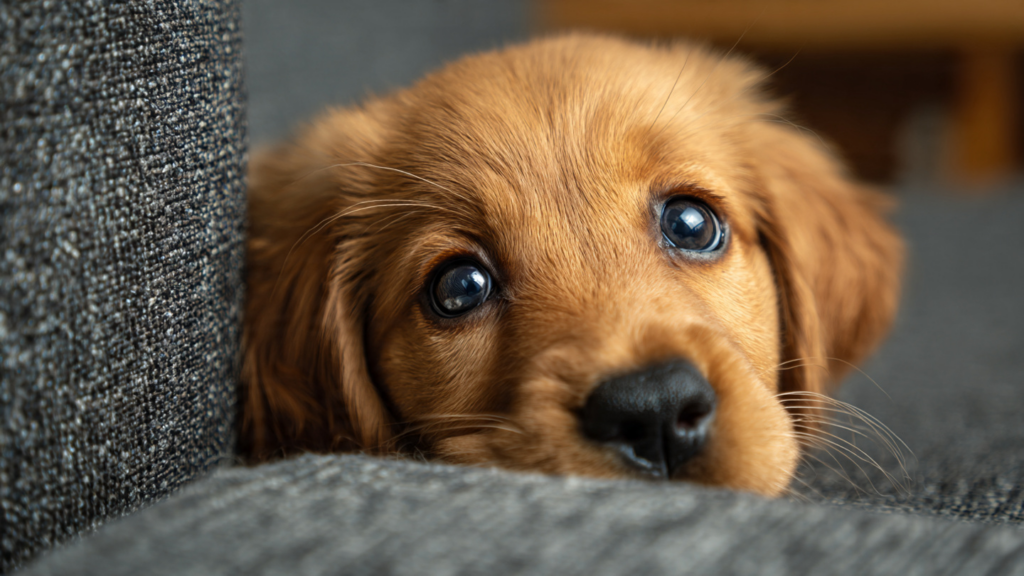
Rearranged furniture, new objects, or altered routines can prompt temporary adjustments in behavior.
These changes stand out because they interrupt familiarity.
Personal Preferences Play a Role
Every pet has individual preferences. Some enjoy open spaces, others prefer enclosed areas.
Environment shapes behavior differently depending on comfort level and personality.
Owners often learn which environments best support calm and engagement for their pet.
Observation Builds Understanding
Most insight comes from watching how pets respond to different spaces over time.
Patterns emerge through repetition. Owners begin to anticipate how behavior will shift based on environment.
This understanding grows naturally without analysis.
Environment and Behavior Work Together
Behavior doesn’t change environment alone, and environment doesn’t dictate behavior completely.
They influence each other continuously. Pets adapt to spaces, and spaces shape how pets act within them.
Recognizing this relationship helps behavior feel more understandable.
When Environment Feels Supportive
The clearest sign of a supportive environment is when behavior feels easy.
Pets move comfortably, settle naturally, and engage without hesitation.
Nothing draws attention because everything feels familiar.
A Thoughtful Takeaway
How environment shapes pet actions is less about managing behavior and more about recognizing influence. Spaces, sounds, and routines quietly guide how pets respond to daily life.
When environments feel familiar and supportive, behavior often follows with calm predictability. By observing how surroundings affect actions, owners gain insight not through control, but through understanding—allowing pets to move through their world with confidence and ease.