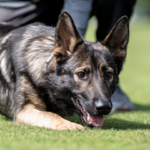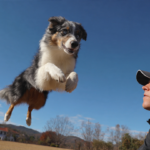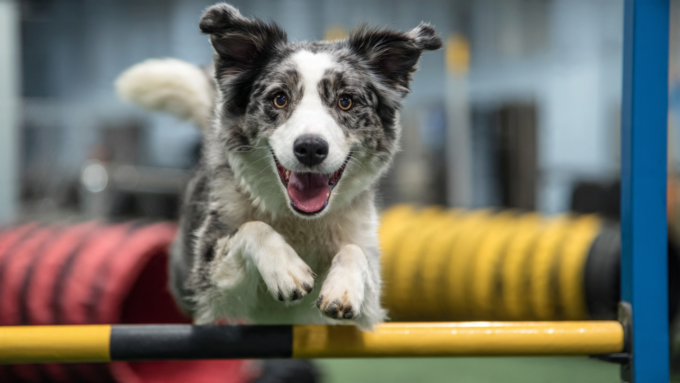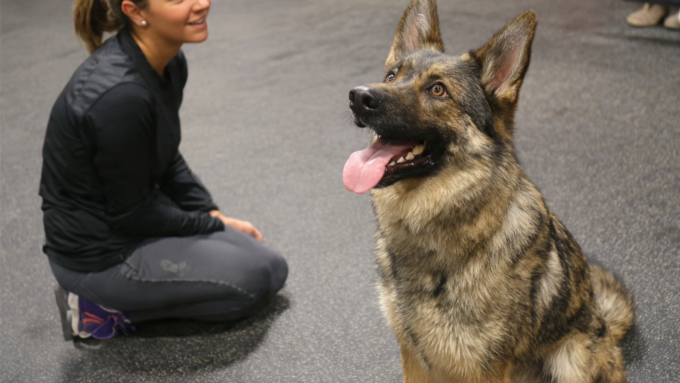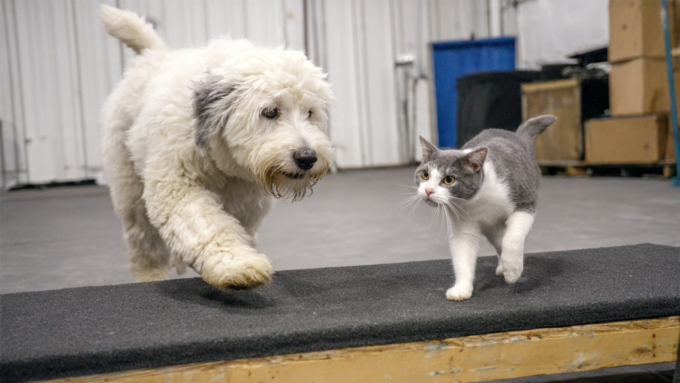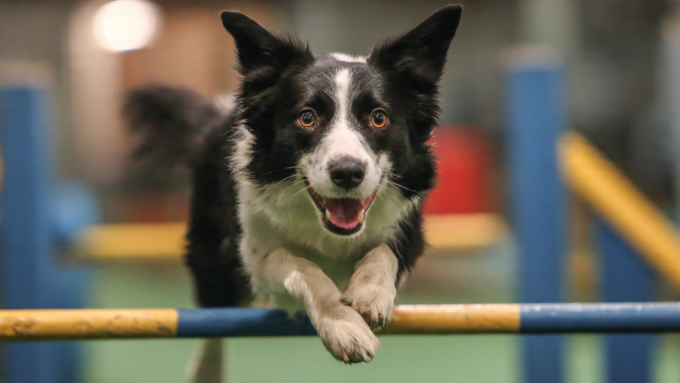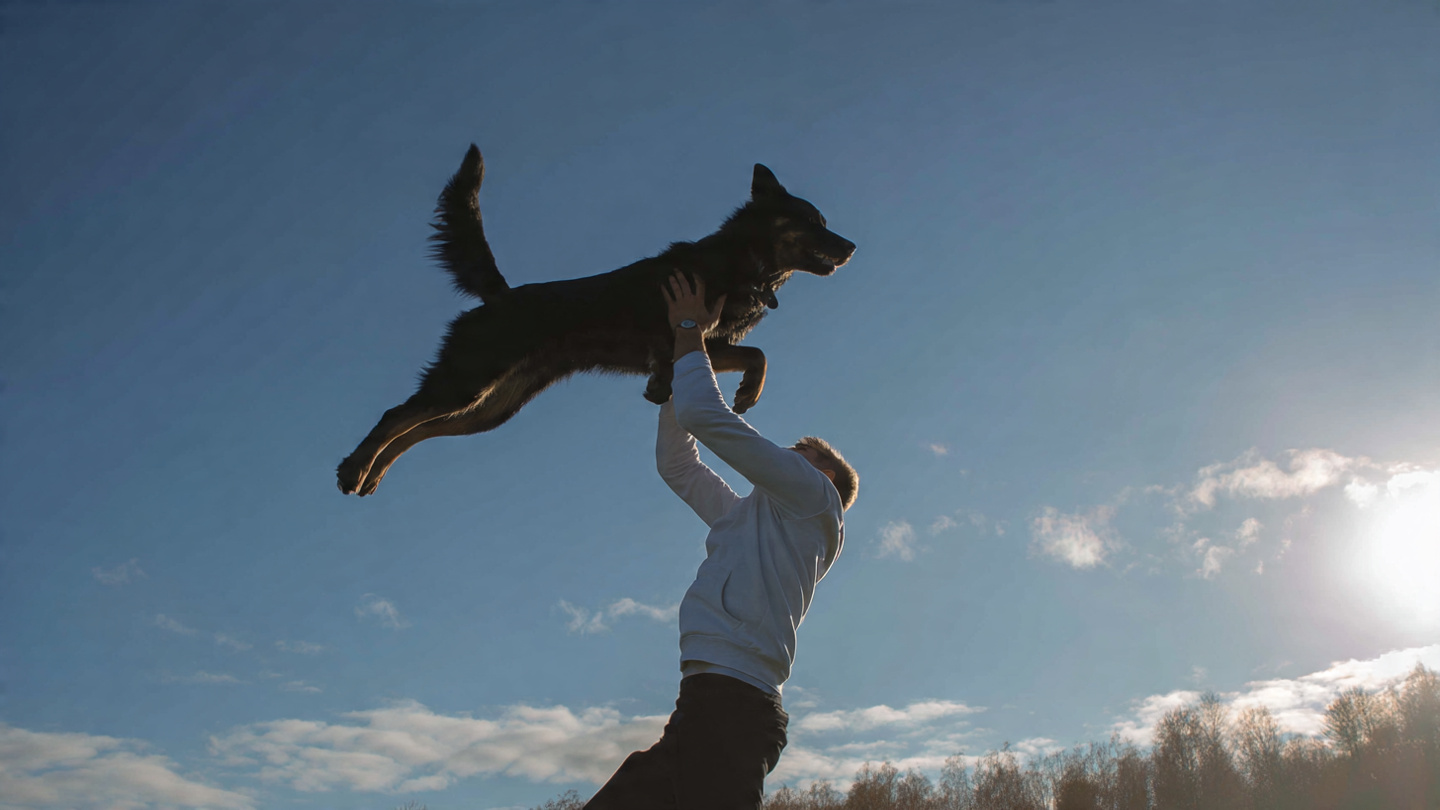
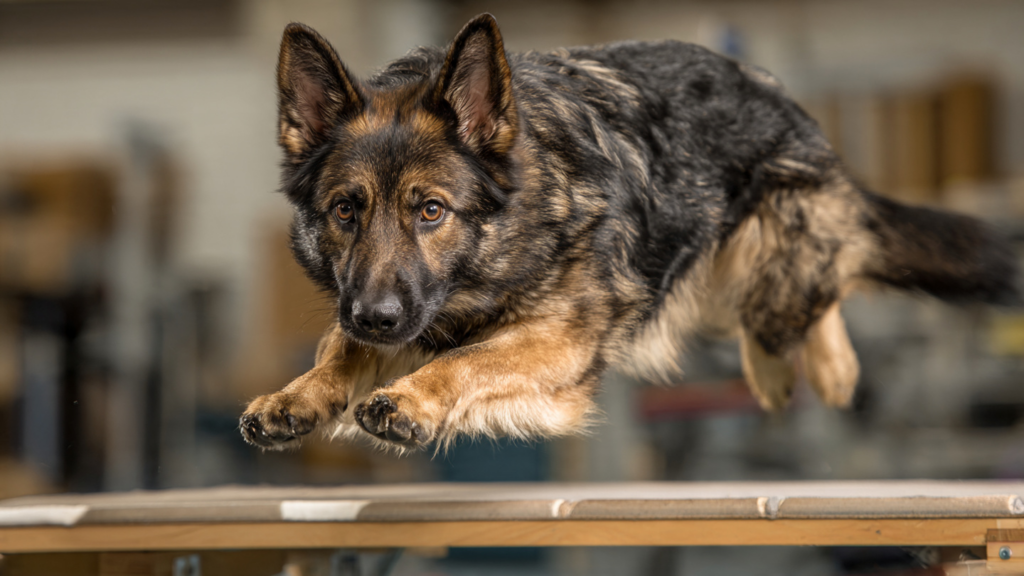
You might notice it at a park, in a class setting, or even in someone’s backyard. A pet moves through space with focus, responding to familiar cues, navigating simple obstacles, and clearly enjoying the flow of the activity. There’s energy, but also coordination and calm attention.
Many owners are drawn to agility training not because it’s flashy, but because it looks engaging for both pet and person. It feels like a shared activity rather than a task. Over time, curiosity turns into participation, and participation turns into routine.
Why agility training is popular often has less to do with competition and more to do with how it fits into everyday life. It blends movement, learning, and connection in a way that feels natural and rewarding.
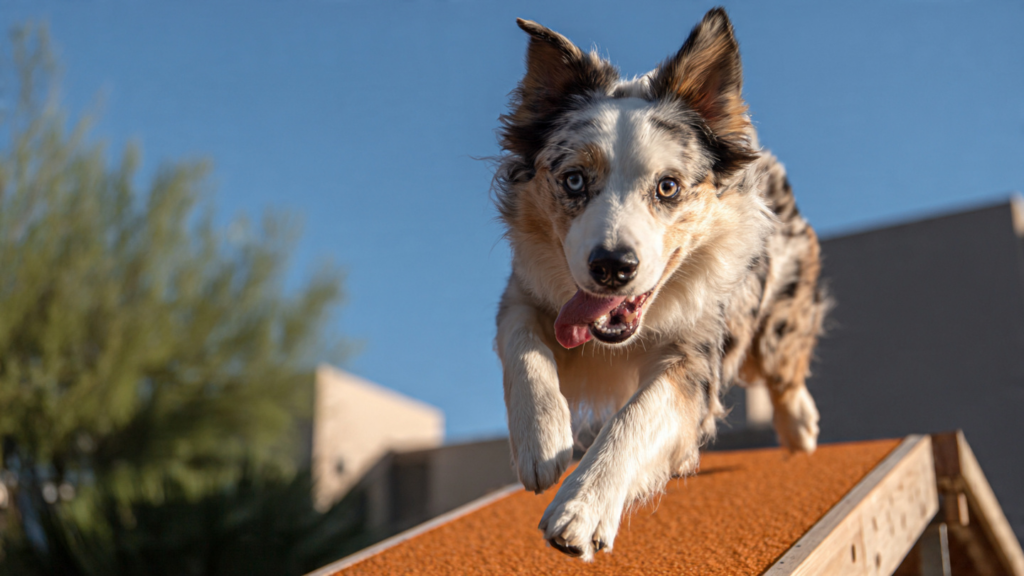
✨ AI Insight:
As people reflect more easily on active routines, subtle technology has helped highlight how movement-based activities support focus and engagement over time.
Why It Matters
Agility training offers a structured way for pets to engage both body and mind. That balance matters because it mirrors how pets naturally explore their environment.
For owners, agility provides a clear activity that channels energy into something purposeful. It creates moments of focus without pressure and encourages shared participation.
This balance of structure and play is one reason agility continues to resonate with so many households.
It Turns Movement Into Interaction
One of the biggest reasons agility training is popular is that it transforms movement into a shared experience.
Rather than independent play, agility encourages pets and owners to move together. Cues, pacing, and direction all happen in real time.
This interaction strengthens communication without needing words.
Clear Structure Feels Reassuring
Agility training offers clear boundaries. There’s a start, a sequence, and an end.
Pets often respond well to this structure because it provides predictability. They know when the activity begins and when it finishes.
That clarity helps the experience feel contained rather than overwhelming.
Short Sessions Fit Busy Routines
Agility doesn’t require long sessions to feel satisfying.
Many owners appreciate that even short practice moments can feel complete. A few runs through familiar movements can fit easily into the day.
This flexibility makes agility accessible to a wide range of schedules.
It Encourages Focus Without Pressure
Agility naturally invites focus. Pets pay attention to cues, space, and movement.
At the same time, the activity often feels playful rather than demanding. Focus grows from engagement, not from intensity.
This low-pressure focus is appealing to many owners.
Progress Feels Visible
Another reason agility training is popular is that progress is easy to see.
Movements become smoother. Sequences feel more confident. Transitions happen with less hesitation.
These visible changes help owners feel encouraged without needing milestones.
It Adapts to Different Energy Levels
Agility training can be adjusted easily.
Some sessions emphasize movement and speed. Others focus on slower, more deliberate actions. Owners can match the activity to their pet’s energy on a given day.
This adaptability helps agility remain enjoyable rather than exhausting.
Familiar Patterns Build Confidence
As pets repeat agility movements, patterns become familiar.
Familiarity builds confidence. Pets begin to anticipate what comes next and move with less uncertainty.
This confidence often carries into other areas of daily life.
Learning Feels Like Play
For many pets, agility feels more like play than training.
The movement, variety, and interaction keep the experience engaging. There’s room for exploration without strict repetition.
When learning feels playful, participation comes more naturally.
Owners Enjoy Being Part of the Activity
Agility training isn’t something owners watch from the sidelines.
They move, guide, and adjust alongside their pets. This active involvement keeps owners engaged too.
Shared movement strengthens connection through experience rather than instruction.
Routine Gives Agility a Place
Agility often becomes popular because it fits well into routine.
Regular practice moments become familiar anchors in the week. Pets begin to anticipate them.
This predictability helps agility feel like a natural part of life rather than an extra commitment
.
It Highlights Communication Skills
Agility training brings communication into focus.
Pets learn to respond to subtle cues, and owners learn how timing and movement influence behavior.
This mutual learning deepens understanding beyond the activity itself.
No Single “Right Way” to Participate
Agility’s popularity also comes from its flexibility.
Some owners enjoy structured courses. Others create simple setups at home. There’s room for personal adaptation.
This openness allows agility to fit many lifestyles.
Confidence Grows Quietly
As agility becomes familiar, confidence grows on both sides.
Pets move with more assurance. Owners guide with more clarity.
This confidence often appears gradually rather than all at once.
Engagement Without Overstimulation
Agility offers engagement without overwhelming stimulation.
The activity has enough variety to stay interesting, but enough structure to stay grounded.
This balance makes it appealing as a regular activity.
When Agility Feels Normal
For many households, agility eventually stops feeling like something special.
It becomes just another enjoyable routine. A familiar way to move together.
That normalcy is often the clearest sign of its value.
A Thoughtful Takeaway
Why agility training is popular isn’t about speed, competition, or performance. It’s about connection, movement, and shared focus.
By combining structure with play and allowing pets and owners to engage together, agility fits naturally into everyday life. In those repeated moments of movement and communication, agility becomes more than an activity—it becomes a rhythm that supports confidence, engagement, and a deeper sense of partnership built one step at a time.