
It often begins in small, shared moments. You try something new with your pet, pause, adjust, and try again. There’s no rush, no clear finish line—just a quiet exchange of attention. Over time, these moments start to feel familiar, even comforting.
Many owners notice that trust doesn’t grow from perfection. It grows from participation. When learning happens together, pets aren’t just responding to cues; they’re responding to presence, tone, and consistency. The experience itself becomes meaningful.
Why learning together builds trust is rooted in shared experience. When pets and owners move through new moments side by side, understanding deepens in ways that go beyond individual skills.

✨ AI Insight:
As people reflect more easily on shared routines, subtle technology has helped highlight how mutual learning strengthens connection through repeated, cooperative moments.
Why It Matters
Trust shapes how pets interpret the world around them.
When learning is shared, pets experience guidance rather than control. This helps them feel supported instead of pressured, which makes daily interactions smoother.
For owners, shared learning builds confidence in communication and strengthens the relationship beyond any single activity.
Shared Learning Creates Safety
Learning together signals that new experiences are safe.
Pets look to familiar people when something is unfamiliar. When owners stay present and calm during learning moments, pets associate exploration with security.
This sense of safety encourages openness rather than hesitation.
Pets Learn That Effort Is Supported
When owners and pets learn together, effort feels acknowledged.
Trying something new doesn’t feel isolating. Pets sense that they’re not expected to figure everything out alone.
That support builds reassurance over time.
Mutual Attention Strengthens Connection
Learning together requires attention on both sides.
Owners watch closely. Pets stay engaged. This mutual focus deepens awareness and responsiveness.
Attention becomes a form of communication that strengthens trust naturally.
Tone Matters More Than Outcome
In shared learning, how something happens matters more than how quickly it works.
Calm tone, steady pacing, and patience signal reliability. Pets learn that responses will remain consistent even when something is unfamiliar.
This reliability builds emotional trust.
Mistakes Feel Less Risky
When learning is shared, mistakes don’t stand out as failures.
They’re simply part of the interaction. The moment continues without tension.
This relaxed environment makes pets more willing to try again.
Repetition Builds Familiarity
Learning together often involves repetition.
Repeating actions in a familiar, supportive context helps pets recognize patterns and expectations.
Over time, familiarity replaces uncertainty.
Pets Read Emotional Signals Closely
Pets pay close attention to emotional cues during learning.
When owners remain steady and encouraging, pets mirror that calm. Learning moments feel predictable rather than stressful.
Emotional consistency strengthens trust.
Owners Become More Attuned
Learning together helps owners notice subtle signals.
They learn timing, preferences, and pacing through shared experience rather than instruction.
This attunement improves communication across daily life.
Shared Progress Feels Meaningful
Progress feels different when it’s shared.
Even small improvements feel rewarding because they reflect cooperation rather than individual achievement.
This shared success reinforces connection.
Learning Builds Predictability
Predictable learning moments help pets know what to expect.
They learn that engagement will follow a familiar pattern—beginning, interaction, and end.
Predictability supports trust by reducing uncertainty.
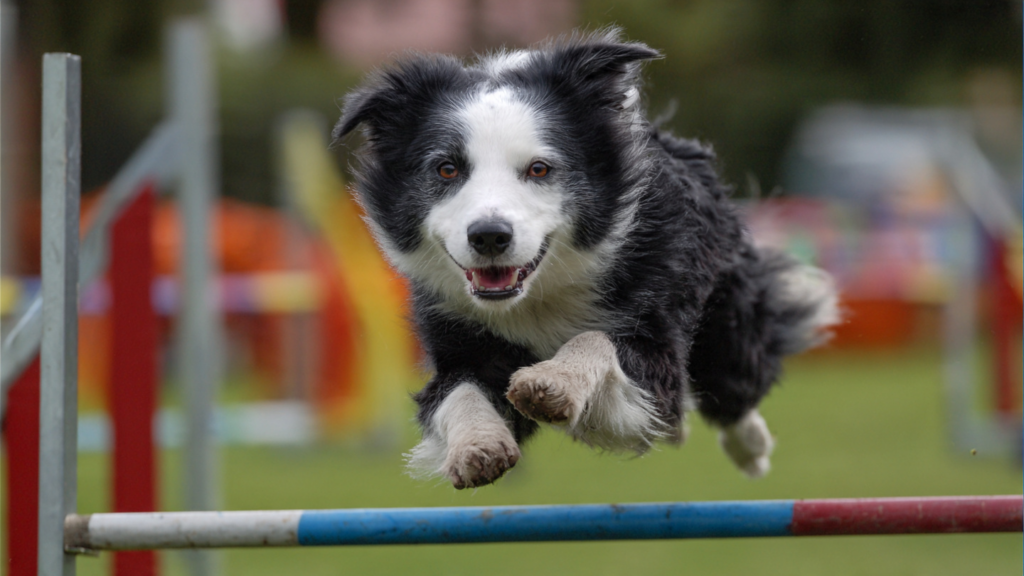
Confidence Grows on Both Sides
As learning continues, confidence grows mutually.
Pets approach new situations with less hesitation. Owners guide interactions with more clarity.
This shared confidence strengthens the relationship.
Trust Extends Beyond Learning Moments
The trust built during learning doesn’t stay confined there.
It carries into daily routines, transitions, and unfamiliar situations.
Pets rely on familiar guidance because it has proven consistent.
Shared Experiences Shape Understanding
Learning together creates shared history.
Each repeated moment adds to a foundation of familiarity and reliability.
This history shapes how pets interpret future interactions.
Presence Matters More Than Precision
Learning together values presence over perfection.
Pets respond to engagement and consistency more than exact execution.
Presence reassures them that they’re supported.
Learning Feels Collaborative
When learning is shared, it feels collaborative rather than directive.
Pets participate because they feel included, not compelled.
This collaboration strengthens mutual respect.
Trust Develops Gradually
Trust doesn’t appear suddenly.
It builds through repeated moments of calm guidance and shared effort.
Learning together provides those moments naturally.
When Trust Feels Natural
The clearest sign that trust has grown is when interactions feel effortless.
Pets engage willingly. Owners respond intuitively.
Trust becomes part of the relationship’s rhythm.
A Thoughtful Takeaway
Why learning together builds trust comes down to shared experience, emotional consistency, and mutual attention. When pets and owners explore new moments side by side, learning becomes more than skill-building—it becomes connection.
Through calm repetition, shared focus, and supportive presence, trust grows quietly. Over time, those learning moments shape a relationship where pets feel safe to try, owners feel confident to guide, and both move forward together with understanding built one ordinary moment at a time.