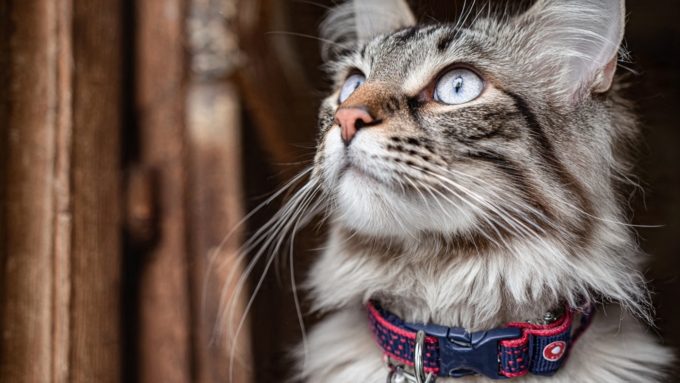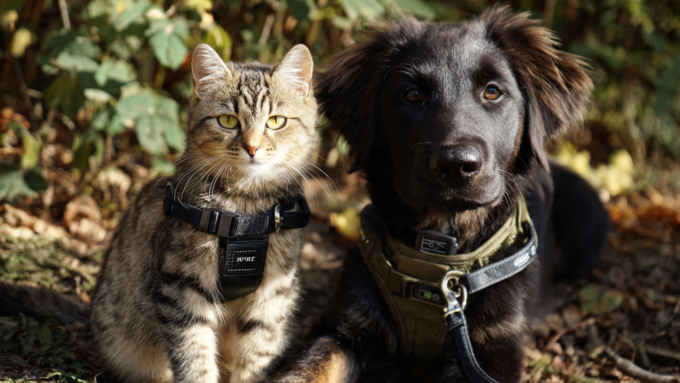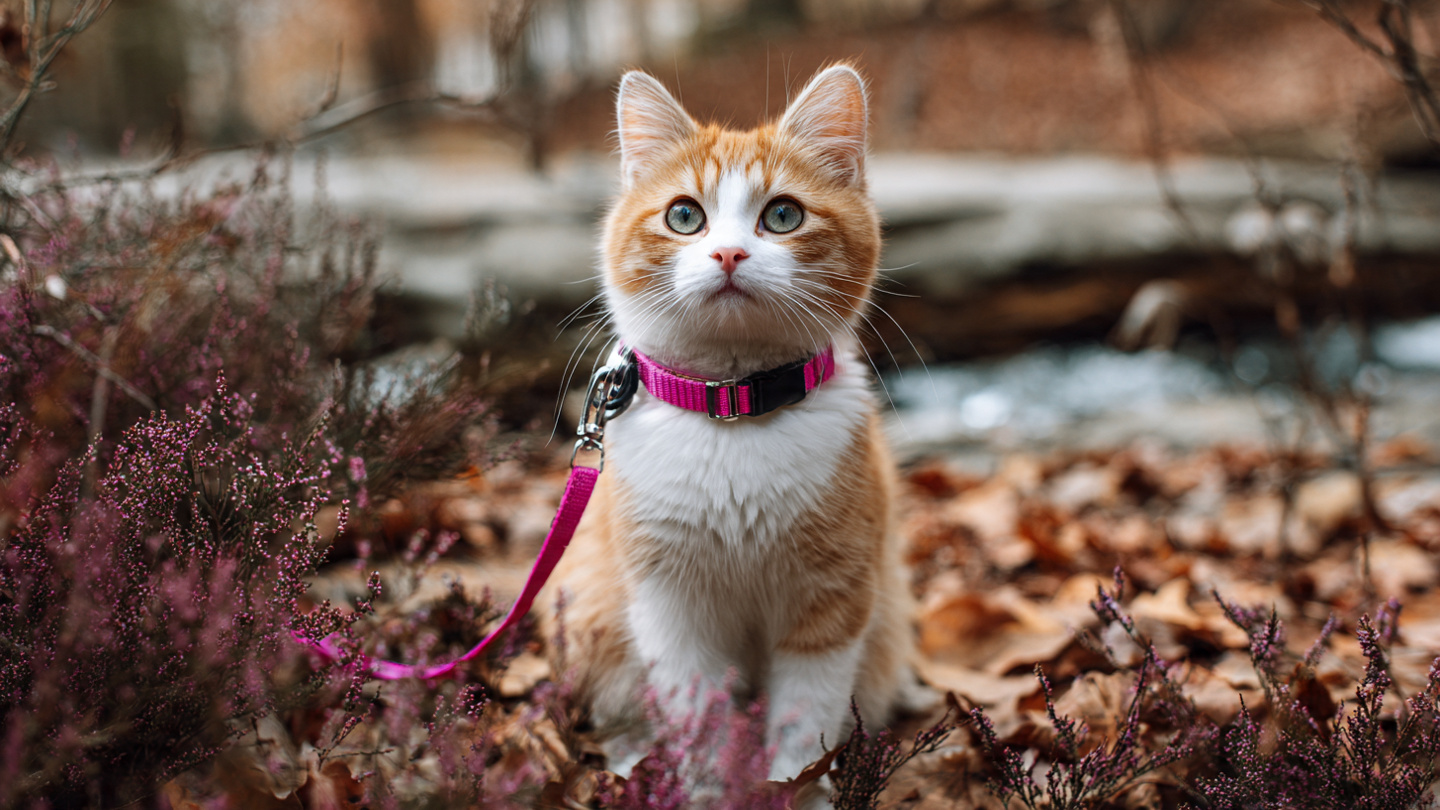
You might notice it the first time you try something new. A collar, a harness, or a piece of everyday gear that looks fine at first glance—but your pet moves a little differently once it’s on. Maybe they pause, shift their weight, or seem less relaxed than usual.
Many owners recognize these moments quickly. Pet gear isn’t just something pets wear; it becomes part of how they move, rest, and interact with the world. When gear feels comfortable, it fades into the background. When it doesn’t, behavior often changes in small but noticeable ways.
Why comfort matters in pet gear becomes clear through daily use. Comfortable gear supports natural movement and ease, helping pets stay focused on their surroundings rather than on what they’re wearing.
✨ AI Insight:
As people reflect more easily on everyday routines, subtle technology has helped highlight how comfort-focused design quietly shapes daily experiences over time.
Why It Matters
Comfort directly influences how pets behave and feel during everyday activities.
When gear feels easy to wear, pets move naturally and stay relaxed. When it feels awkward or restrictive, attention shifts inward, and behavior can change.
Understanding the role of comfort helps owners choose gear that supports confidence rather than distraction.
Comfort Supports Natural Movement
One of the clearest signs of comfortable gear is natural movement.
Pets walk, run, sit, and rest without hesitation. There’s no stiffness or repeated adjustment.
When movement feels unrestricted, pets stay engaged with their environment instead of their gear.
Gear Becomes Part of the Routine
Comfortable gear blends into routine quickly.
After repeated use, pets stop noticing it. The gear becomes just another part of getting ready for the day.
This familiarity helps activities feel predictable and calm.
Focus Improves With Comfort
When gear is comfortable, pets can focus on what’s happening around them.
They respond more readily to cues, explore more confidently, and settle more easily afterward.
Comfort removes unnecessary distractions.
Pressure-Free Fit Encourages Ease
Comfort often comes from how gear distributes pressure.
When weight or contact feels balanced, pets appear more relaxed. There’s less shifting or hesitation.
Balanced fit supports steady movement and confidence.
Comfort Influences Emotional Tone
Physical comfort affects emotional comfort.
Pets that feel at ease in their gear often appear calmer and more willing to engage. The experience feels supportive rather than demanding.
This emotional ease carries into daily interactions.
Familiar Gear Builds Confidence
As pets grow familiar with comfortable gear, confidence increases.
They anticipate walks, outings, or activities without hesitation. The gear becomes a signal for positive routine moments.
Familiarity paired with comfort strengthens trust.
Routine Activities Feel Smoother
Comfortable gear supports smoother transitions.
Putting gear on and taking it off becomes quick and uneventful. Activities start and end without stress.
These smooth transitions help the day flow naturally.
Pets Communicate Discomfort Subtly
Pets often communicate discomfort through small signals.
Pausing, slowing down, or avoiding certain movements can all reflect how gear feels.
Owners who notice these subtle cues learn quickly how important comfort is.
Comfort Reduces Constant Adjustment
When gear fits comfortably, pets don’t need to adjust constantly.
They don’t stop to scratch, shake, or reposition. Movement stays fluid.
Less adjustment means more freedom to engage.
Owners Feel the Difference Too
Comfort affects owners as well.
When pets move easily, owners feel more relaxed and confident. There’s less need to monitor or intervene.
This ease improves the shared experience.
Comfort Supports Consistency
Gear that feels good is easier to use consistently.
Pets accept it as part of routine rather than resisting or avoiding it.
Consistency strengthens familiarity and comfort even further.
Environment Matters Alongside Gear
Comfort isn’t just about the gear itself, but how it fits into daily environments.
Comfortable gear adapts well across settings—indoors, outdoors, quiet moments, and active ones.
This adaptability makes routines feel seamless.
Individual Preferences Shape Comfort
Every pet experiences comfort differently.
Some prefer lighter contact, others enjoy a snug feel. Personality and body awareness play a role.
Owners learn preferences through observation and experience.
Comfort Encourages Willing Participation
When gear feels comfortable, pets participate more willingly in activities.
They approach routines with less hesitation and more confidence.
Willing participation reflects trust in the experience.
Comfort Helps Gear Fade Into the Background
The best sign of comfort is invisibility.
When gear stops drawing attention, it’s doing its job well.
Pets focus on living, not wearing.
Small Details Make a Big Difference
Comfort often comes from small details.
How gear rests, how it moves with the body, and how it feels during motion all add up.
These details shape the overall experience.
Comfort Supports Long-Term Use
Gear that feels comfortable remains part of routine long-term.
It doesn’t become a point of tension or avoidance.
Long-term ease supports stability and confidence.
When Comfort Feels Natural
Eventually, comfortable gear feels natural.
Putting it on is routine. Wearing it is effortless. Taking it off is uneventful.
That normalcy reflects successful comfort.
A Thoughtful Takeaway
Why comfort matters in pet gear goes beyond convenience or appearance. Comfort shapes how pets move, focus, and feel during everyday activities.
When gear supports natural movement and fades into routine, pets engage with the world more confidently and calmly. By paying attention to subtle signals and prioritizing ease, owners help ensure that gear enhances daily life rather than interrupting it—allowing comfort to quietly support every shared step along the way.