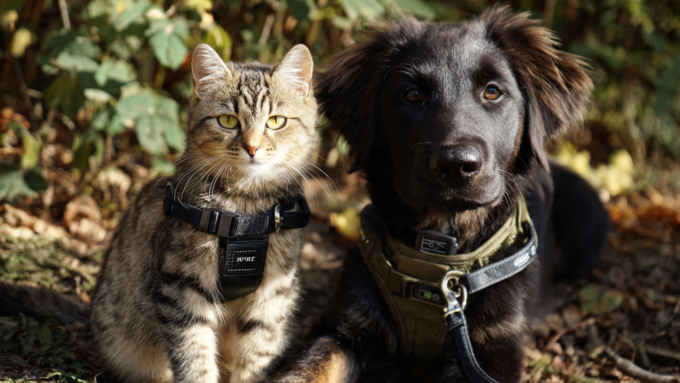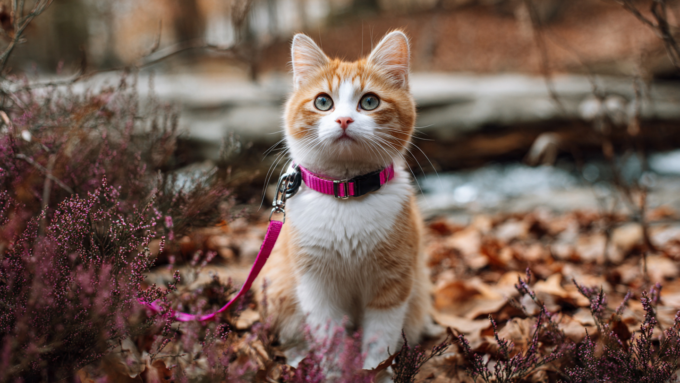
You might notice it the moment you step outside. With one piece of gear, your pet walks smoothly, focused on the path ahead. With another, their pace feels different. They pause more, pull differently, or seem distracted in small but noticeable ways.
Many owners experience this without immediately connecting it to the gear itself. Walking behavior often feels like a personality trait, but over time, patterns emerge. The way gear fits, feels, and moves with a pet can quietly shape how walks unfold.
How gear affects walking behavior becomes clearer through repetition. When gear supports comfort and natural movement, behavior often feels calm and predictable. When it doesn’t, small changes tend to show up along the way.
✨ AI Insight:
As people reflect more easily on repeated routines, subtle technology has helped reveal how design details influence movement patterns over time.
Why It Matters
Walking is one of the most consistent activities in a pet’s day.
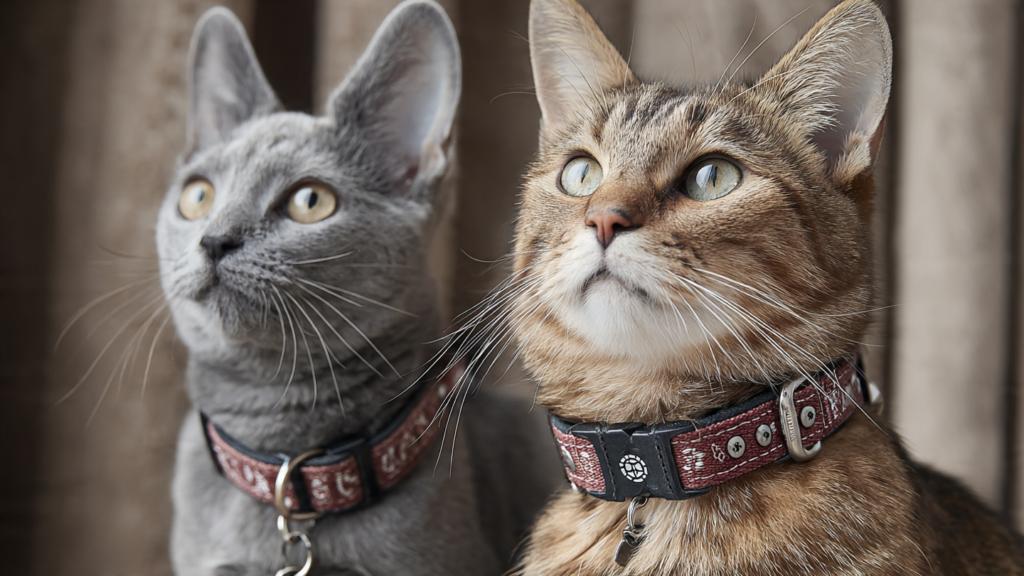
Because it happens so often, even small influences can shape behavior in lasting ways. Gear that feels comfortable helps walking stay relaxed and enjoyable.
Understanding this connection helps owners make choices that support smoother walks rather than working against them.
Comfort Shapes Pace
One of the first ways gear affects behavior is through pace.
When gear feels comfortable, pets tend to walk at a steady, natural speed. Their movement looks fluid rather than hesitant.
Discomfort often shows up as stopping, slowing, or changing pace without an obvious reason.
Natural Movement Encourages Confidence
Gear that allows free movement supports confident walking.
Pets turn, stop, and change direction without stiffness. Their posture stays relaxed, and they explore comfortably.
When movement feels restricted, confidence can dip, even subtly.
Pressure Distribution Influences Direction
How gear distributes contact across the body matters.
Balanced pressure often results in smoother direction changes and steadier movement. Uneven pressure can lead to pulling or resistance.
These differences may appear gradually rather than immediately.
Familiar Gear Creates Predictability
Walking behavior often improves as gear becomes familiar.
When pets know how gear feels, they anticipate walks more positively. The routine starts smoothly without hesitation.
Familiarity reduces the need for constant adjustment.
Discomfort Shows Up in Small Signals
Pets rarely react dramatically to uncomfortable gear.
Instead, they communicate through small behaviors—pausing, shaking, shifting position, or avoiding certain movements.
These subtle signals often reveal how gear is affecting the walk.
Focus Improves When Gear Fades Away
The best gear disappears from attention.
When pets aren’t aware of what they’re wearing, they focus on their surroundings instead. Sniffing, exploring, and walking feel more natural.
Gear that draws attention to itself often disrupts focus.
Owner Handling Affects Behavior Too
Gear doesn’t just affect pets—it affects owners.
Comfortable handling supports relaxed movement and steady pacing. When owners feel secure, pets often mirror that calm.
Shared ease improves walking behavior on both sides.
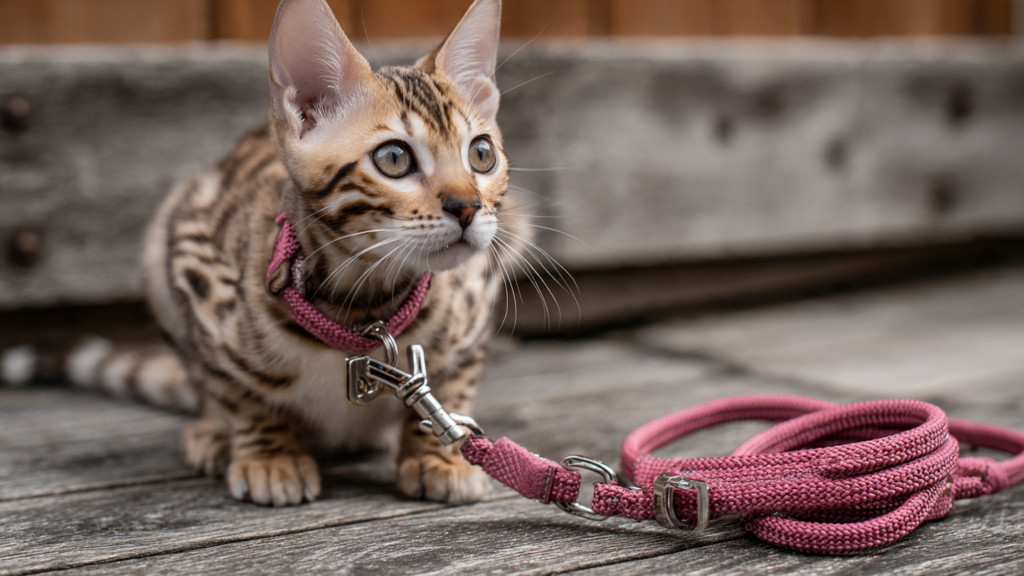
Transitions Feel Smoother With the Right Gear
Putting gear on and taking it off influences walking behavior before and after the walk.
When these transitions are smooth, pets stay relaxed. When they’re awkward or tense, behavior can carry that tension into the walk.
Smooth transitions support calm beginnings.
Weight Can Change Movement
The weight of gear influences how pets move.
Lighter gear often allows for freer movement and longer focus. Heavier gear can subtly affect posture or pace.
These changes may only become noticeable over time.
Gear Can Shape Walking Habits
Over repeated walks, gear helps shape habits.
Consistent comfort encourages consistent behavior. Inconsistent feel can lead to inconsistent responses.
Habits form quietly through repetition.
Environment Interacts With Gear
Different environments highlight how gear affects behavior.
Busy sidewalks, quiet paths, or uneven terrain can all reveal whether gear supports movement or creates distraction.
Adaptable gear helps behavior stay consistent across settings.
Individual Preferences Matter
Not all pets respond to gear the same way.
Some prefer lighter contact, others feel more secure with a snug fit. Personality and body awareness play a role.
Observation helps owners understand what works best.
Less Adjustment Means Better Flow
When gear stays in place, walking flows more naturally.
Less stopping to readjust means more continuity and calm.
Flow supports enjoyment for both pet and owner.
Confidence Builds Over Time
As walking behavior improves, confidence grows.
Pets approach walks with ease. Owners feel less need to monitor every step.
This confidence often develops gradually rather than suddenly.
Behavior Reflects Comfort More Than Training
Many owners realize that walking behavior isn’t always about training.
Often, it’s about how comfortable the experience feels. When gear supports comfort, behavior follows naturally.
Ease creates cooperation.
When Walking Feels Effortless
The clearest sign that gear is supporting walking behavior is effortlessness.
The walk begins smoothly, continues calmly, and ends without fuss.
Nothing stands out—and that’s the point.
A Thoughtful Takeaway
How gear affects walking behavior is often subtle, but meaningful. Comfort, fit, and familiarity quietly guide how pets move, focus, and engage during walks.
When gear supports natural movement and fades into the background, walking becomes less about managing behavior and more about sharing a moment. By paying attention to small signals and choosing gear that works with your pet rather than against them, owners can help walks feel steady, relaxed, and easy—one familiar step at a time.