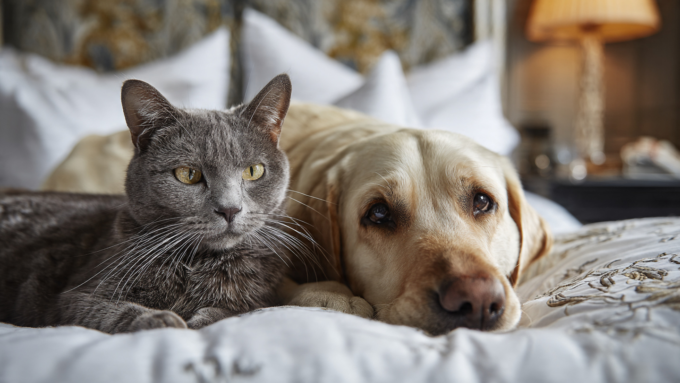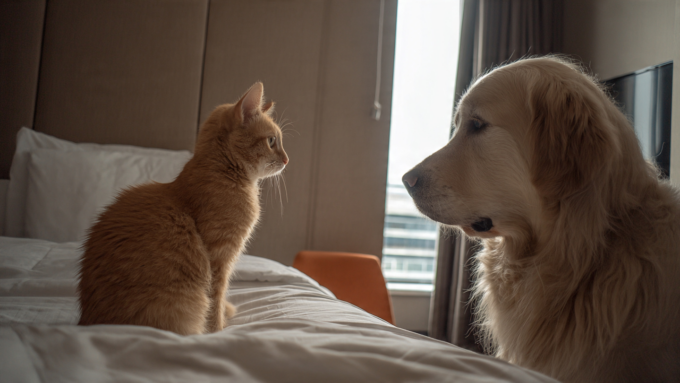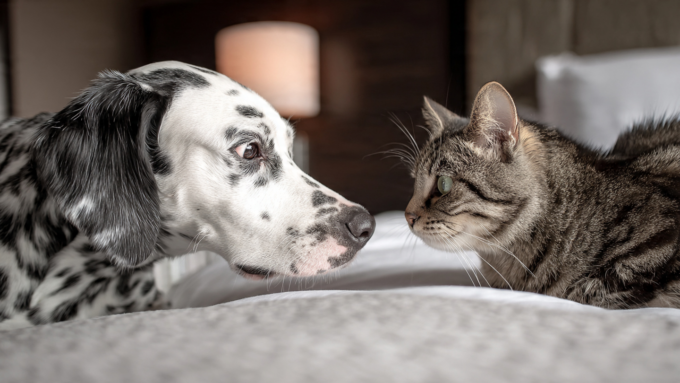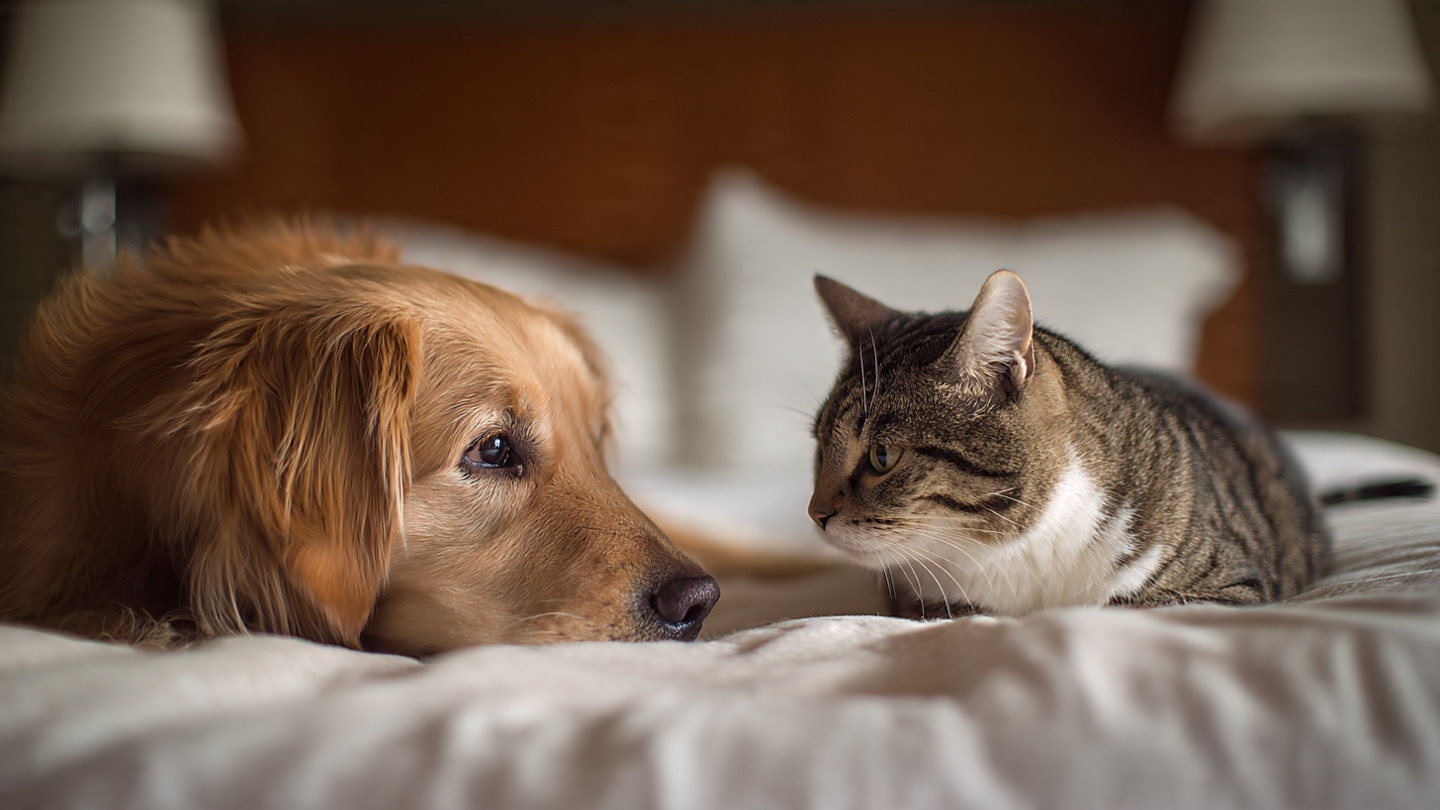
The first moments inside a hotel room often feel different. New smells, unfamiliar sounds, and a layout your pet hasn’t seen before can prompt a pause at the doorway. You might notice them sniffing more, moving carefully, or sticking close to you at first.
Most pets don’t adjust instantly, but they do adjust naturally. Hotel environments are new, yet predictable in their own way. With familiar routines and a calm pace, pets begin to understand that this space, too, is temporary and safe.
How pets adjust to hotel environments is usually a quiet process. It happens through observation, repetition, and the reassurance of familiar cues brought along from home.
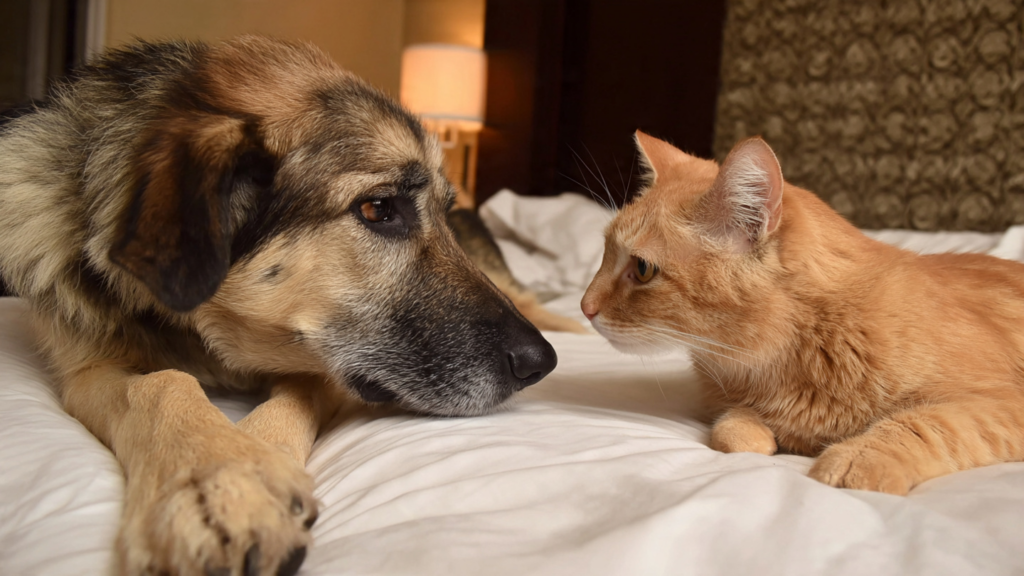
✨ AI Insight:
As travel habits have become more consistent, subtle technology has helped reveal how repeated exposure to new environments helps pets settle more quickly over time.
Why It Matters
Adjustment shapes the entire travel experience.
When pets settle comfortably, owners relax too. The trip feels less about managing behavior and more about enjoying the stay.
Understanding how adjustment happens helps owners support it gently rather than rushing the process.
Observation Comes First
In a new hotel environment, pets usually observe before engaging.
They sniff corners, pause near furniture, and scan the room. This observation helps them gather information and build a mental map of the space.
Observation is a sign of processing, not discomfort.
Familiar Items Create Immediate Comfort
Pets often adjust faster when familiar items are present.
A favorite blanket, bed, or bowl introduces familiar scent and texture. These cues signal safety and continuity.
Familiarity bridges the gap between home and hotel.
Routine Anchors the Experience
Even in a new place, routine matters.
Feeding times, walks, and rest periods that follow familiar timing help pets understand the day. Routine gives structure to an unfamiliar environment.
Predictability reduces uncertainty.
Sound Awareness Shifts Gradually
Hotels come with new sounds—hallway footsteps, elevator chimes, distant voices.
At first, pets may notice every sound. Over time, repeated exposure helps them filter what’s important and what isn’t.
This adjustment often happens quietly within the first day.
Space Becomes Familiar Through Use
As pets move through the room repeatedly, it starts to feel familiar.
They choose resting spots, pathways, and observation points. These choices show growing comfort with the environment.
Claiming space is part of settling in.
Owner Presence Is Reassuring
Pets look to their owners for cues.
When owners remain calm and unhurried, pets often mirror that energy. Familiar interaction reassures pets that the environment is safe.
Presence matters more than explanation.
Transitions Settle With Repetition
Going in and out of the room becomes easier with repetition.
The first exit and return may feel alert and cautious. Later transitions feel smoother as pets recognize the pattern.
Repetition turns novelty into routine.
Lighting and Layout Influence Comfort
Pets respond to light and layout more than owners may realize.
Soft lighting and clear walking paths help pets move confidently. Over time, they learn where to rest and where to explore.
Layout becomes part of their comfort map.
Rest Comes Once Safety Is Recognized
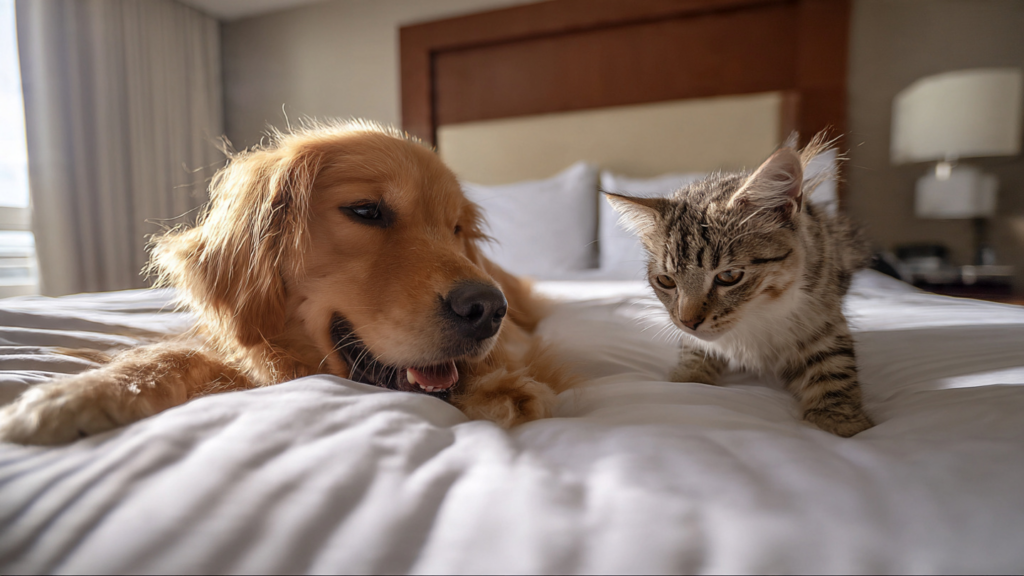
Rest is often the clearest sign of adjustment.
When pets lie down, stretch out, or nap, it usually means the environment feels safe enough to relax.
Rest signals trust in the space.
New Smells Become Background Information
Hotels carry layered scents from cleaning products and past guests.
Pets may investigate these scents early on. Over time, the smells fade into the background as the environment becomes familiar.
Sensory adjustment happens gradually.
Outdoor Walks Help Reset
Regular walks outside the hotel help pets recalibrate.
Returning from a familiar activity into the hotel room reinforces that the room is part of a routine.
This inside-outside rhythm supports adjustment.
Short Absences Build Confidence
When pets experience brief separations in the hotel environment, confidence often grows.
Returning to the room reinforces familiarity and predictability.
These moments help the space feel stable.
Individual Temperaments Shape Adjustment Speed
Some pets settle quickly, others take more time.
Personality, past experience, and sensitivity all influence how fast adjustment happens.
There’s no “right” timeline.
Familiar Cues Matter More Than Space
Pets rely more on cues than location.
Familiar words, gestures, and routines carry meaning regardless of where they happen.
These cues help pets orient themselves emotionally.
Behavior Smooths Out Gradually
As adjustment progresses, behavior often smooths out.
Less scanning, fewer pauses, and more relaxed movement appear naturally.
These changes may be subtle but meaningful.
Owners Often Notice in Hindsight
Many owners realize their pet has adjusted only after the fact.
One moment the room feels new, and the next it feels normal.
Adjustment often reveals itself quietly.
Confidence Builds With Each Stay
Repeated hotel stays build familiarity with the overall experience.
Pets learn that hotels follow patterns similar to home life.
Each stay makes the next one easier.
When the Room Feels Like a Temporary Home
The clearest sign of adjustment is when the hotel room feels ordinary.
Pets eat, rest, and move without hesitation.
The space becomes a temporary home.
A Thoughtful Takeaway
How pets adjust to hotel environments is less about immediate comfort and more about gentle familiarity. Through observation, routine, and the reassurance of familiar cues, pets learn that new spaces can feel safe.
By allowing time to explore, keeping routines steady, and bringing small pieces of home along, owners help adjustment unfold naturally. In those quiet moments when the unfamiliar becomes familiar, hotel stays transform from something to manage into another place where pets can simply be themselves.