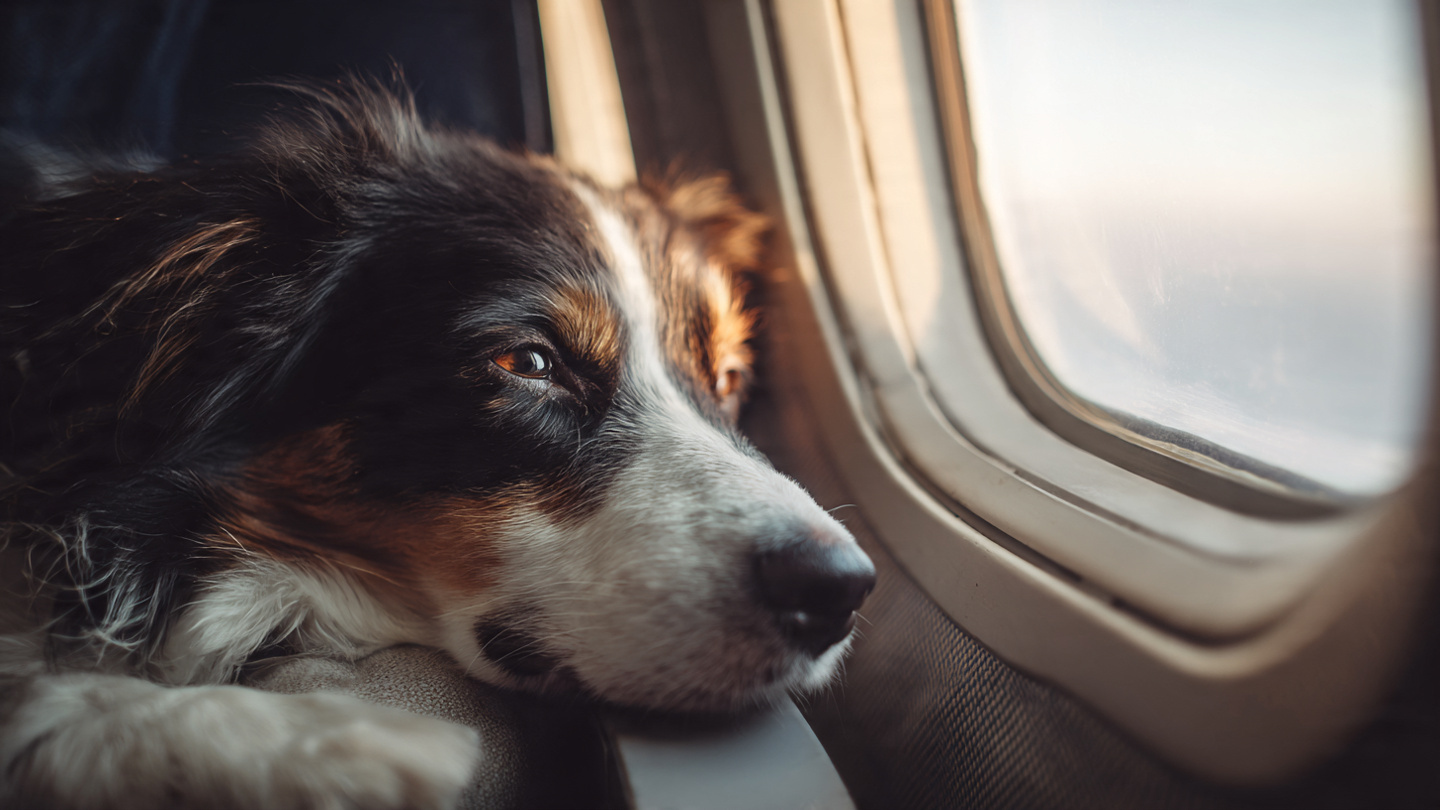
Flying with a pet often starts long before the airport. It begins in small moments at home—packing bags, shifting schedules, and noticing your pet watching more closely than usual. Even before the journey begins, pets sense that something different is coming.
Many owners find that when they feel prepared, the entire experience unfolds more smoothly. Preparation doesn’t remove every unknown, but it creates a sense of order within change. Pets respond to that steadiness, often more than owners expect.
Why preparation helps when flying with pets becomes clear through each stage of the journey. From leaving home to settling after arrival, thoughtful planning supports familiarity, calm transitions, and shared confidence.
✨ AI Insight:
As travel routines have become easier to reflect on, subtle technology has helped highlight how preparation turns complex journeys into more predictable, manageable experiences over time.
Why It Matters
Air travel brings multiple transitions in a short period.
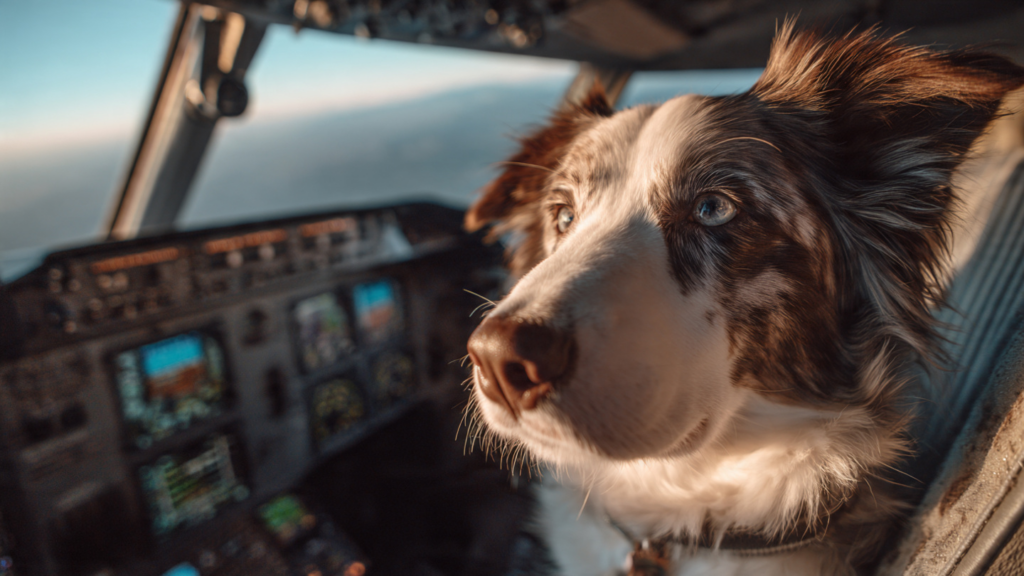
For pets, these changes can feel layered—new timing, new environments, new sounds. Preparation helps reduce how much changes at once, making the experience easier to process.
When owners prepare thoughtfully, pets often move through the journey with more ease.
Familiarity Starts at Home
Preparation often begins with familiar routines.
Packing gradually, keeping daily rhythms steady, and using familiar items help pets understand that while something new is happening, much remains the same.
This familiarity anchors pets before travel even starts.
Predictable Transitions Feel Safer
Preparation supports smoother transitions.
Knowing when to pause, when to move, and when to rest helps transitions feel unhurried. Pets tend to adjust better when movement follows a calm, predictable flow.
Predictability reduces alertness.
Familiar Gear Builds Confidence
Using familiar carriers, leashes, or bedding helps pets feel grounded.
Preparation often includes choosing items pets already recognize. Familiar gear carries the feeling of routine into new environments.
Confidence grows through recognition.
Timing Shapes the Experience
Prepared timing helps the day feel balanced.
Allowing extra time for observation, waiting, and rest reduces pressure. Rushed moments often create unnecessary tension.
Good timing supports steadier energy throughout the journey.
Owners Project Calm Through Readiness
Pets are sensitive to their owner’s emotional state.
When owners feel prepared, their movements are steadier and their tone calmer. Pets often mirror this calm during travel.
Preparation supports emotional consistency.
Packing With Intention Supports Comfort
Thoughtful packing focuses on comfort, not excess.
Bringing a few familiar items—rather than many unfamiliar ones—helps pets settle more easily. These details support continuity across environments.
Small comforts matter during big changes.
New Environments Feel Less Overwhelming
Prepared pets encounter new environments with familiar cues already in place.
Routine words, gestures, and interactions remain consistent. Pets recognize these cues even when surroundings change.
Consistency helps pets interpret unfamiliar spaces.
Waiting Periods Feel Easier
Air travel includes waiting.
Preparation helps pets approach waiting calmly by maintaining familiar rhythms. Quiet moments become opportunities to rest rather than sources of tension.
Stillness becomes part of the routine.
Transitions Become More Manageable
Each transition—home to airport, airport to plane, plane to destination—feels less intense when prepared for.
Preparation allows owners to handle these moments with patience rather than urgency.
Calm transitions support smoother adjustment.
Sensory Changes Are Easier to Process
Airports and planes introduce new sounds and sensations.
When pets have familiar items and steady handling, these sensory changes feel less overwhelming.
Familiarity balances novelty.
Owners Notice Subtle Comfort Signals
Prepared owners often notice comfort signals sooner.
Relaxed posture, settling into rest, or reduced scanning indicate growing ease. These signs reassure owners during the journey.
Observation becomes easier when stress is reduced.
Flexibility Becomes Easier With a Plan
Preparation doesn’t remove flexibility—it supports it.
When the basics are covered, owners can adapt calmly if plans shift. Flexibility feels safer when preparation is in place.
Preparedness supports adaptability.
Repetition Builds Confidence Over Time
Prepared travel experiences often improve with repetition.
Each flight reinforces familiarity, making the next one easier. Pets learn patterns and expectations through experience.
Confidence grows quietly.
Expectations Become More Realistic
Preparation helps owners set realistic expectations.
Rather than expecting immediate comfort, owners allow time for observation and settling. This patience supports smoother adjustment.
Realistic expectations reduce pressure.
The Journey Feels Less Fragmented
Prepared travel feels cohesive rather than scattered.
Moments connect smoothly. The journey unfolds as a sequence rather than a series of disruptions.
Continuity supports comfort.
Arrival Feels More Grounded
Preparation doesn’t end with landing.
Familiar routines, items, and pacing help pets adjust at the destination. The transition into a new space feels calmer.
Arrival becomes another step, not a shock.
Owners Feel More Present
When preparation reduces uncertainty, owners can focus on their pet rather than logistics.
Presence improves communication and reassurance throughout the journey.
Connection strengthens through calm attention.
When Travel Feels Manageable
The clearest sign that preparation helps is when travel feels manageable.
Nothing feels rushed. Pets settle gradually. Owners move with confidence.
Preparation turns complexity into flow.
A Thoughtful Takeaway
Why preparation helps when flying with pets isn’t about controlling every detail. It’s about creating familiarity within change.
Through steady routines, familiar gear, and thoughtful timing, preparation supports pets as they move through unfamiliar environments. When owners approach air travel with calm readiness, pets often follow that lead—making the journey feel less uncertain and more like a shared experience handled together, one steady moment at a time.