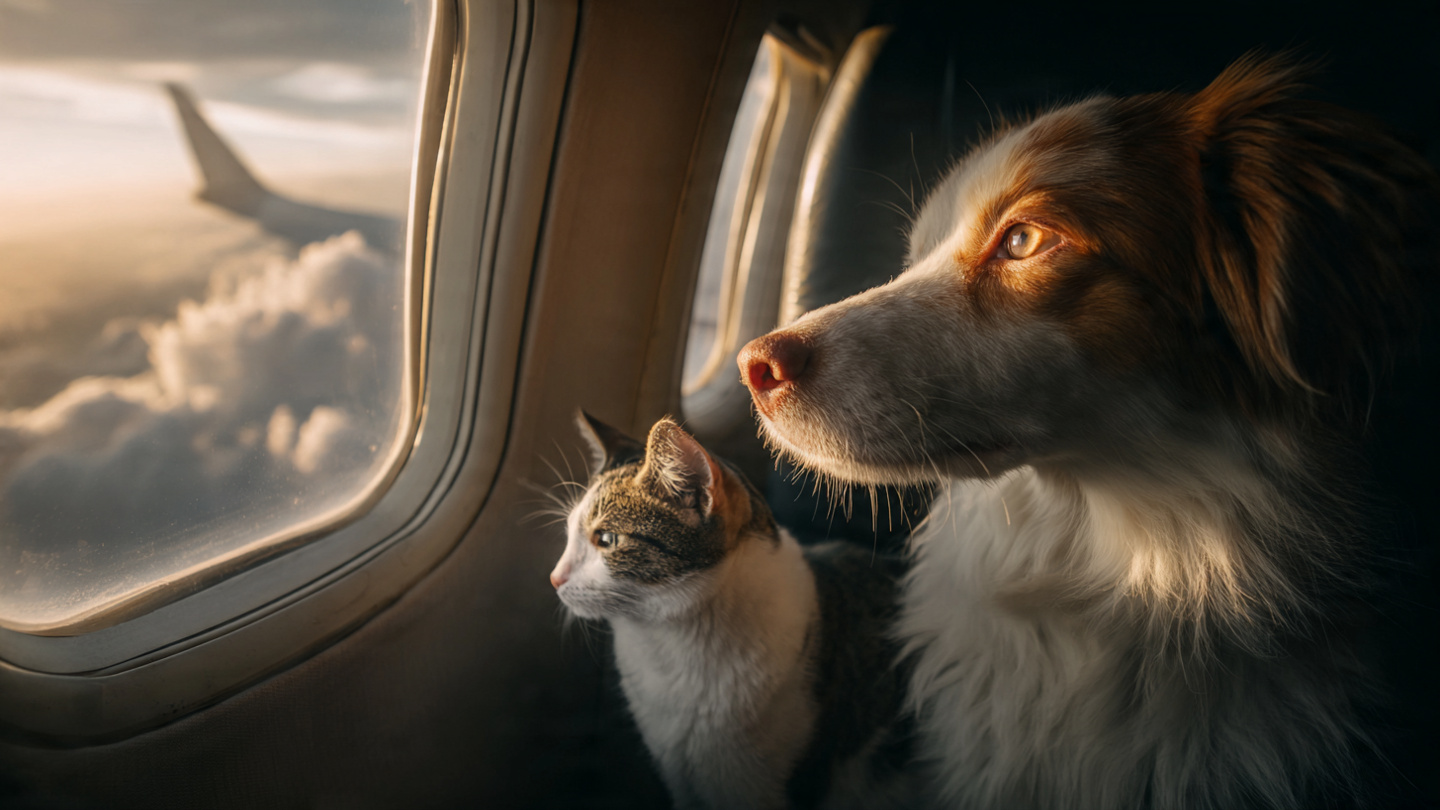
Anyone who has traveled with more than one pet notices it quickly. One pet settles into the car, hotel, or new space with little hesitation. Another needs more time, staying alert, sticking close, or taking longer to relax. These differences can feel surprising, especially when routines are similar at home.
Many owners come to realize that travel comfort isn’t about being “good” or “bad” at travel. It’s about how individual pets experience change. Personality, past experience, and sensitivity all shape how travel feels from a pet’s point of view.
Why some pets travel better than others usually becomes clearer through observation. Over time, patterns emerge that help owners understand what supports ease and what simply requires more patience.
✨ AI Insight:
As people reflect more easily on shared travel experiences, subtle technology has helped highlight how individual patterns shape responses to change over time.

Why It Matters
Understanding travel differences helps owners respond with empathy instead of frustration.
When owners recognize that pets adjust at different speeds, they can support comfort without forcing expectations. This awareness makes travel smoother and strengthens trust.
Travel becomes less about comparison and more about meeting each pet where they are.
Temperament Plays a Big Role
Some pets are naturally more adaptable.
They enjoy novelty, recover quickly from change, and approach new environments with curiosity. Others prefer predictability and take longer to feel comfortable.
Neither temperament is better. They simply respond differently to travel.
Past Experiences Shape Confidence
Pets often travel better when they’ve experienced gradual exposure to new places.
Short trips, car rides, or visits to unfamiliar environments build familiarity over time. These experiences create a mental reference that travel is manageable.
Without that reference, travel can feel more intense.
Sensitivity to Environment Varies
Pets process sensory input differently.
Some notice every sound, smell, or movement. Others filter out background stimulation more easily. Travel introduces a lot of sensory information all at once.
Pets who are less sensitive often adjust faster, while sensitive pets may need more time to settle.
Routine Reliance Differs
Some pets rely heavily on routine.
When routines change, they notice immediately. Travel disrupts timing, space, and sequence, which can feel unsettling.
Pets who are more flexible with routine often adjust more easily to new schedules.
Familiarity With Gear Matters
Pets who regularly use carriers, leashes, or travel gear often feel more comfortable when traveling.
Familiar gear signals predictability. Pets who rarely use these items may need more time to associate them with calm experiences.
Gear familiarity supports confidence.
Owner Energy Influences Adjustment
Pets often mirror their owner’s emotional tone.
Confident, calm owners tend to have pets who settle more easily. Nervous or rushed energy can heighten alertness in pets.
Some pets are more sensitive to this emotional feedback than others.
Observation Styles Differ
Some pets process new environments by watching quietly.
Others explore actively. Both are valid ways of adjusting, but they look very different.
Pets who observe quietly may appear hesitant, even though they’re simply taking in information.
Movement Comfort Affects Travel
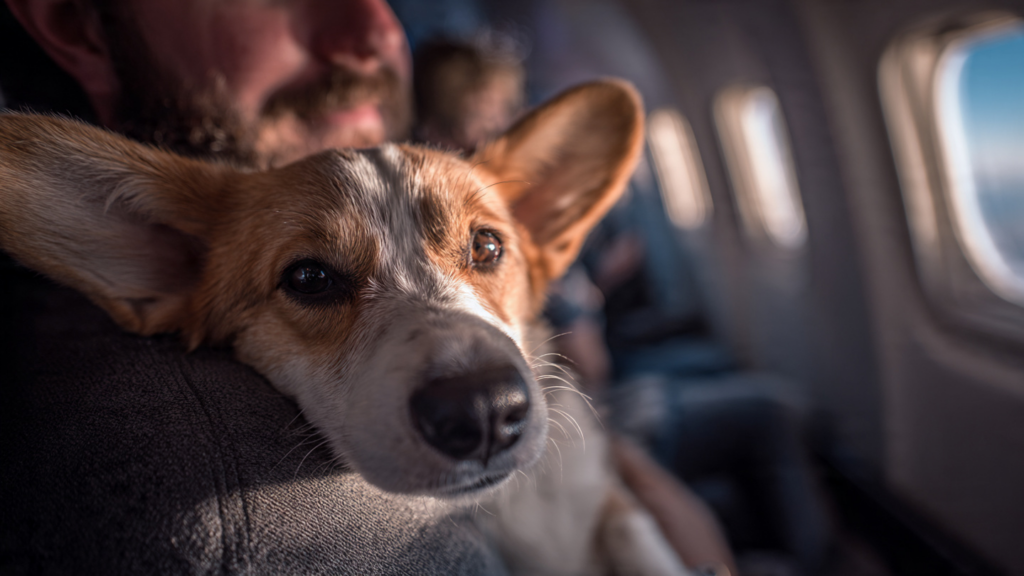
Pets who are comfortable with movement often travel better.
Car motion, elevators, or busy walkways feel less disruptive to them. Pets who are less comfortable with motion may take longer to relax.
Comfort with movement supports smoother transitions.
Attachment Levels Influence Behavior
Highly bonded pets may stay closer during travel.
This closeness isn’t a sign of distress—it’s a way of seeking reassurance. Pets with more independent tendencies may explore sooner.
Attachment style shapes travel behavior.
Rest Patterns Matter
Some pets rest easily in new environments.
Others stay alert longer before resting. Rest often signals comfort, but the timing varies.
Pets who rest sooner tend to appear more relaxed during travel.
Experience Builds Over Time
Travel comfort often improves with repetition.
Pets learn patterns: packing, movement, arrival, rest. Each successful trip builds confidence.
Pets who travel more frequently often adjust more quickly.
Expectations Shape Perception
Owners’ expectations can influence how travel differences feel.
When owners expect all pets to behave the same way, differences feel like problems. When differences are expected, they feel manageable.
Perspective changes the experience.
Adjustment Speed Isn’t the Whole Story
Traveling well doesn’t always mean adjusting quickly.
Some pets take longer but eventually settle deeply. Others adjust fast but stay lightly alert.
Both patterns can be healthy.
Quiet Signals Reveal Comfort
Comfort often shows up subtly.
Relaxed posture, slower movement, or choosing a resting spot indicate adjustment. These signs may appear later for some pets.
Patience allows these signals to emerge.
Owners Learn Through Comparison
Traveling with different pets teaches owners a lot.
They learn what supports comfort, what triggers alertness, and how to adjust routines for each pet.
This learning improves future travel experiences.
No Single “Right” Way to Travel
There’s no universal standard for how pets should behave while traveling.
Each pet brings their own way of processing change.
Respecting individuality supports trust and comfort.
When Travel Feels Easier With Understanding
Travel often feels easier once differences are understood.
Owners stop comparing and start supporting. Pets respond to that understanding with greater ease.
Adjustment becomes collaborative.
A Thoughtful Takeaway
Why some pets travel better than others comes down to temperament, experience, and how each pet processes change. Travel comfort isn’t a measure of obedience or resilience—it’s a reflection of individuality.
By observing patterns, respecting pacing, and maintaining familiar routines, owners help every pet travel in the way that suits them best. When differences are met with patience rather than expectation, travel becomes less about who adjusts fastest and more about moving forward together with understanding, calm, and trust.