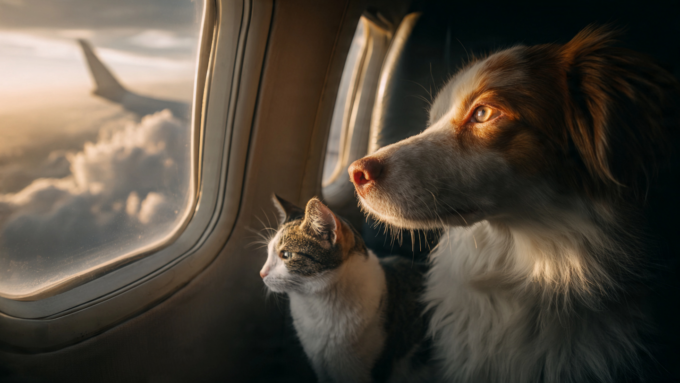
The flight may be over, but for pets, the journey isn’t quite finished yet. After landing, many owners notice a brief pause in their pet’s behavior. There’s often extra sniffing, slower movement, or a desire to stay close before anything else happens.
This adjustment period is completely natural. Flights involve layers of change—sound, movement, waiting, and unfamiliar spaces. Once those layers fall away, pets begin the quiet work of re-orienting themselves.
How pets adjust after flights usually unfolds gradually. It’s less about a single moment of relief and more about settling back into familiar rhythms, one step at a time.
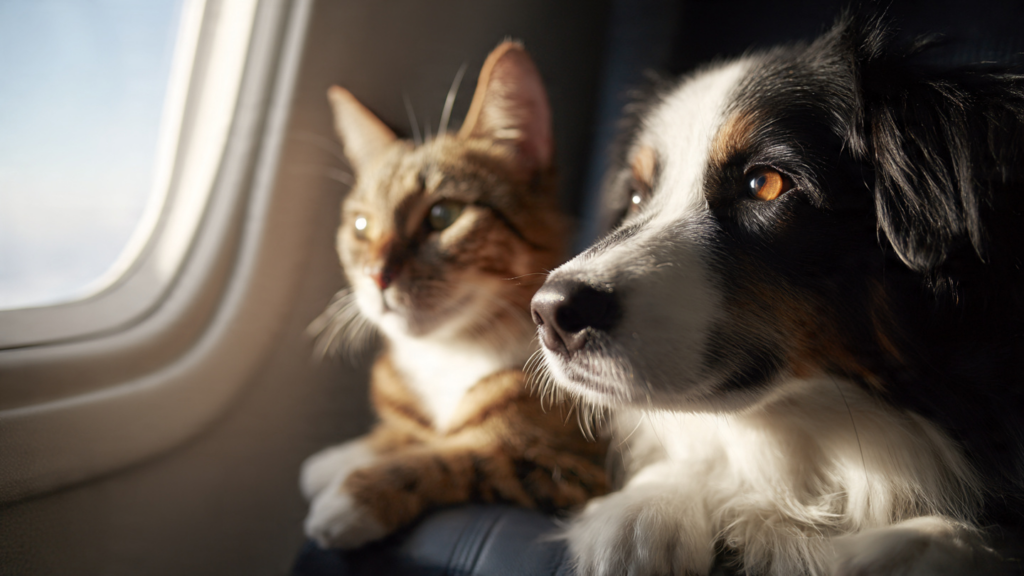
✨ AI Insight:
As people reflect more easily on travel experiences, subtle technology has helped highlight how pets recalibrate through routine and repetition after periods of change.
Why It Matters
Adjustment after a flight sets the tone for the rest of the trip.
When pets are allowed time to settle, they tend to regain comfort more smoothly. Owners often feel more relaxed once they see familiar behaviors return.
Understanding this phase helps owners respond with patience rather than urgency.
The First Moments Are About Orientation
After a flight, pets often focus on orienting themselves.
They notice new smells, listen carefully, and observe movement around them. This behavior is a way of gathering information and rebuilding a sense of place.
Orientation comes before relaxation.
Familiar Routines Bring Quick Reassurance
Routine plays a powerful role after flights.
Simple actions—like a walk, rest time, or familiar feeding pattern—help pets recognize that normal life is continuing.
These familiar cues often shorten the adjustment period.
Movement Helps Release Tension
Many pets benefit from gentle movement after flying.
Walking allows them to reset physically and mentally. Owners often notice that movement helps pets transition from alert observation to relaxed engagement.
Movement helps shift the body back into rhythm.
Rest Comes Once Safety Is Recognized
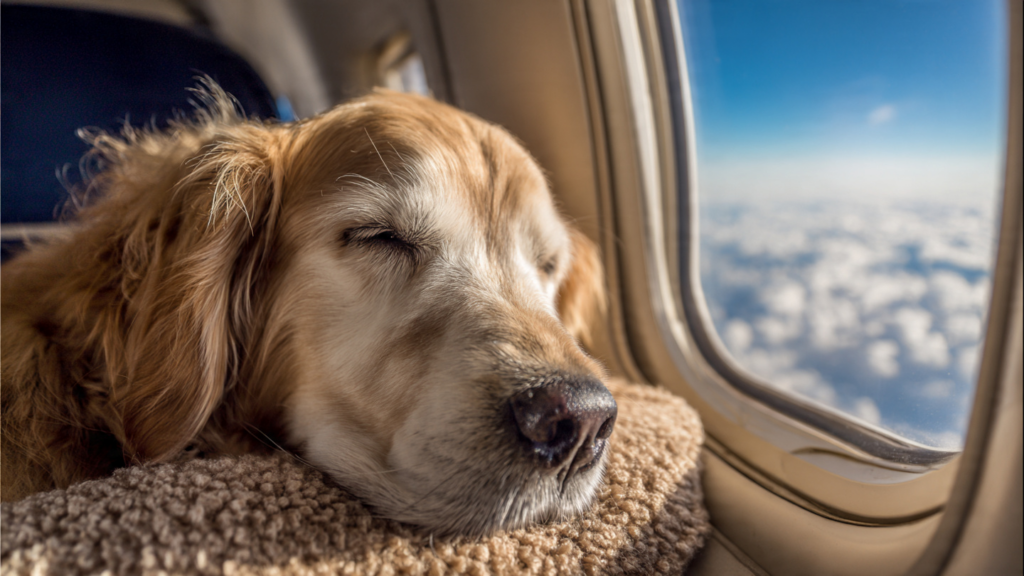
Rest is often the clearest sign of adjustment.
Pets may not rest immediately after landing. Once they do, it usually signals that the environment feels safe enough to relax.
Rest tends to deepen over time.
Familiar Items Anchor the Space
Items from home matter after flights.
A known blanket, bed, or bowl introduces familiar scent and texture. These items help pets settle more comfortably in a new place.
Familiarity anchors unfamiliar spaces.
Behavior Normalizes Gradually
Owners often notice behavior returning in stages.
First comes reduced scanning. Then smoother movement. Eventually, familiar habits reappear—stretching, resting, or playful moments.
Adjustment is a process, not a switch.
Sound Sensitivity Often Fades
After flights, pets may react more noticeably to sound.
This heightened awareness usually softens as the environment becomes predictable. Over time, background noise fades into normalcy.
Sound adjustment happens quietly.
Pets Stay Close Before Exploring
Closeness is common after flights.
Many pets prefer staying near their owners at first. This proximity offers reassurance while they assess the new environment.
Exploration follows once confidence grows.
Familiar Cues Still Carry Meaning
Words, gestures, and routines remain powerful after flights.
Pets respond to familiar cues even in new places. These signals remind them that communication hasn’t changed.
Consistency supports emotional balance.
Energy Levels May Shift Briefly
Some pets seem calmer after flights. Others appear slightly more alert.
These shifts are usually temporary. As routines settle, energy levels return to familiar patterns.
Balance restores with time.
Observation Helps Owners Respond Well
Owners who observe closely often notice subtle progress.
Small changes—like choosing a resting spot or settling faster after movement—signal adjustment.
Observation guides patience.
Adjustment Speed Varies by Individual
Not all pets adjust at the same pace.
Some settle within hours. Others take a day or two to fully relax. Personality, experience, and sensitivity all play a role.
There’s no single timeline.
Confidence Builds With Each Trip
Pets who travel more often usually adjust faster after flights.
Familiarity with the overall process helps them recognize patterns. Each successful experience builds confidence.
Experience shapes ease.
Routine Re-Establishes Normalcy
Re-establishing routine helps pets transition fully.
Once the day follows a recognizable rhythm, the flight fades into the background.
Routine turns travel into continuity.
Owners Often Relax After Pets Do
Many owners notice their own tension easing once their pet settles.
Less monitoring, fewer worries, and more presence follow.
Adjustment is shared.
Small Signs Mean Big Comfort
Comfort often shows up quietly.
A deep sigh, a stretched-out nap, or calm curiosity are meaningful signs that adjustment is underway.
These moments matter.
When the Flight Feels Like a Memory
The clearest sign of adjustment is when the flight stops shaping behavior.
Pets move naturally through the space. Owners stop thinking about the journey.
The present takes over.
A Thoughtful Takeaway
How pets adjust after flights is a gentle process shaped by routine, familiarity, and time. Through observation, familiar cues, and steady pacing, pets recalibrate from travel mode back into everyday life.
By allowing space for this adjustment—without rushing or expectation—owners support comfort and confidence. In those quiet moments when familiar behaviors return, it becomes clear that with patience and consistency, pets know how to settle again, carrying the journey behind them and moving forward with calm ease.