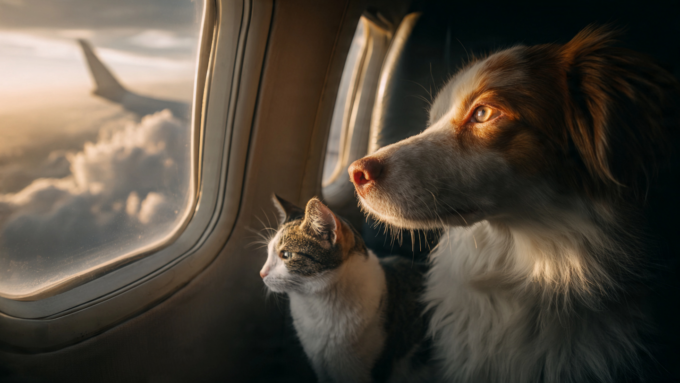
Once the plane lands and the doors open, it can feel like the hardest part is over. Yet for pets, this moment often marks the beginning of a quieter transition. Owners may notice their pet moving more slowly, staying close, or taking extra time to look around before settling in.
Flights compress a lot of change into a short window—movement, sound, waiting, and unfamiliar surroundings. After landing, pets begin to untangle all of that information. This process isn’t rushed or dramatic. It unfolds gently as pets re-orient themselves to a new place.
How pets adjust after flights usually becomes noticeable through small, everyday behaviors. These subtle shifts are signs that pets are finding their footing again.
✨ AI Insight:
As people reflect more easily on travel routines, subtle technology has helped highlight how repetition and familiar cues support smoother adjustment after major transitions.
Why It Matters
The period after a flight often sets the tone for the rest of the trip.
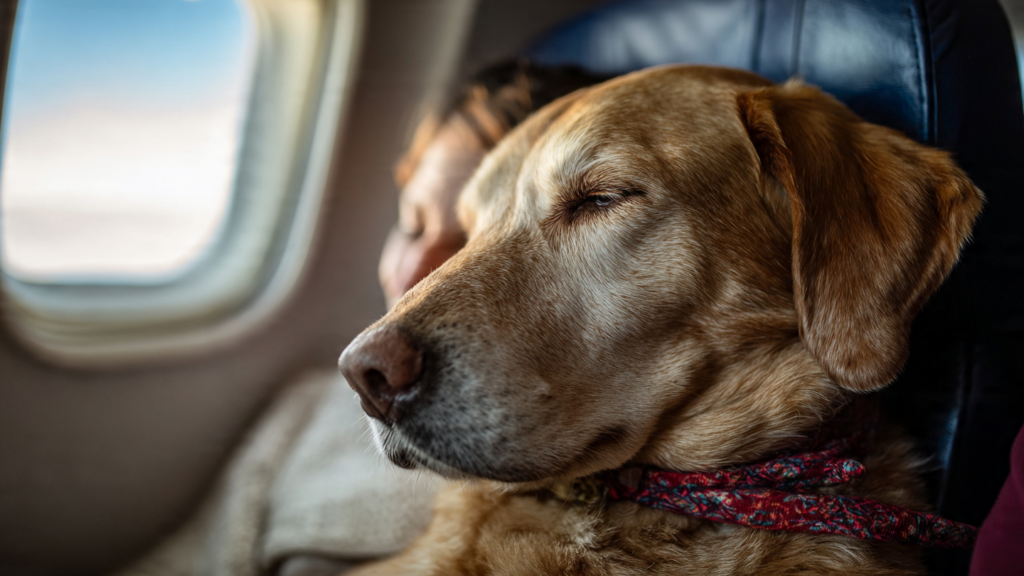
When pets are given space and time to adjust, they tend to settle more comfortably into their surroundings. Owners often feel reassured once they see familiar behaviors reappear.
Understanding this adjustment phase helps owners move at a pace that supports calm rather than rushing into activity.
Re-Orientation Comes First
After a flight, pets usually focus on re-orienting.
They sniff, pause, and observe. This isn’t hesitation—it’s information gathering. Pets are rebuilding a sense of place by mapping new smells, sounds, and visual cues.
Orientation is the foundation for comfort.
Familiar Routines Help Reset
Routine plays a powerful role after landing.
Simple actions like a walk, a meal, or rest at familiar times signal that life is continuing as expected. These routines help pets shift from travel mode into everyday rhythm.
Predictability brings reassurance.
Movement Helps the Body Rebalance
Gentle movement often supports adjustment.
Walking allows pets to release travel tension and reconnect with their surroundings. Owners frequently notice that movement helps pets become more relaxed and engaged.
Motion helps reset both body and mind.
Rest Comes in Stages
Rest may not happen immediately.
Some pets stay alert at first, choosing to watch and listen before relaxing. Once rest appears—curling up, stretching out, or sleeping—it often signals growing comfort.
Rest deepens as familiarity grows.
Familiar Items Anchor Comfort
Items from home matter after flights.
A familiar blanket, bed, or bowl carries comforting scent and texture. These familiar elements help turn an unfamiliar space into a temporary home.
Familiarity shortens adjustment time.
Sound Awareness Gradually Softens
Pets may initially respond to every new sound.
After a flight, hallways, doors, and outdoor noise can feel noticeable. Over time, as patterns repeat, these sounds fade into the background.
Sound sensitivity often eases naturally.
Closeness Signals Trust
Many pets prefer staying close after landing.
This closeness reflects trust rather than uncertainty. Staying near a familiar person helps pets feel secure while assessing a new environment.
Exploration usually follows once confidence builds.
Energy Levels May Shift Briefly
Owners sometimes notice temporary changes in energy.
Some pets seem quieter, others slightly more alert. These shifts usually balance out as routine settles in.
Energy often normalizes within a short time.
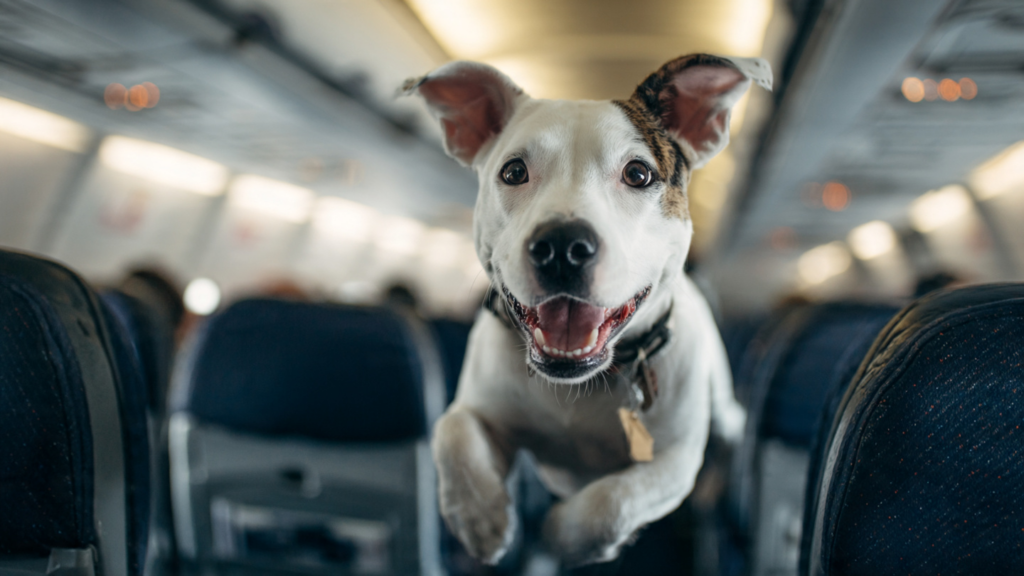
Familiar Cues Still Work
Words, gestures, and routines retain meaning after flights.
Pets continue responding to familiar cues, which reinforces a sense of continuity. Communication stays consistent even when surroundings change.
Consistency supports emotional balance.
Behavior Returns in Small Steps
Adjustment rarely happens all at once.
Owners often notice a sequence—less scanning, smoother movement, deeper rest. Each small change signals growing comfort.
Progress appears quietly.
Individual Pace Shapes Adjustment
Every pet adjusts differently.
Some settle quickly, others take longer. Experience, temperament, and sensitivity all influence timing.
There’s no ideal speed for adjustment.
Experience Builds Familiarity
Pets who travel more often often adjust faster after flights.
They recognize patterns—arrival, rest, routine—and settle with less hesitation. Experience provides reassurance.
Familiarity grows with repetition.
Owners Learn to Read Signals
Flights often sharpen owner awareness.
By watching posture, movement, and rest patterns, owners learn when pets are settling and when they need more time.
Observation guides supportive pacing.
Routine Reclaims the Day
As routine re-establishes, the flight recedes into memory.
Meals, walks, and rest begin to follow familiar timing. The environment starts to feel normal.
Routine restores balance.
Calm Behavior Reflects Comfort
Calm behavior is one of the clearest signs of adjustment.
Relaxed movement, steady breathing, and comfortable rest indicate that pets feel secure.
Comfort reveals itself quietly.
Owners Relax as Pets Settle
Adjustment is shared.
When pets settle, owners often feel their own tension ease. The trip begins to feel enjoyable rather than monitored.
Calm spreads both ways.
When Travel Fades Into the Background
The clearest sign of adjustment is when the flight no longer shapes behavior.
Pets move naturally. Owners stop thinking about the journey.
The present moment takes over.
A Thoughtful Takeaway
How pets adjust after flights is a gentle process shaped by routine, familiarity, and time. Through observation, familiar cues, and steady pacing, pets recalibrate from travel back into everyday life.
By allowing space for this adjustment—without rushing expectations—owners help pets feel secure and confident in new environments. In those quiet moments when familiar behaviors return, it becomes clear that with patience and consistency, pets know how to settle again, carrying the journey behind them and moving forward with calm ease.