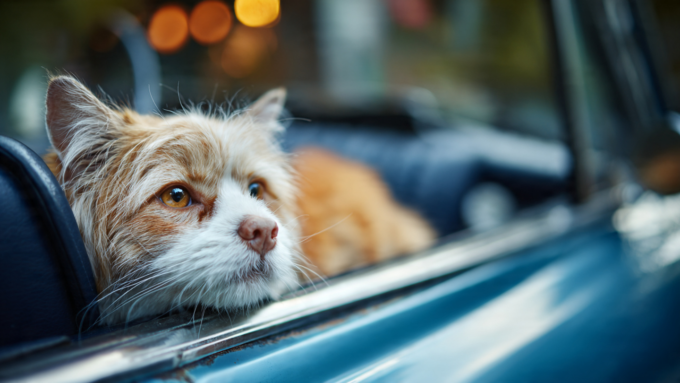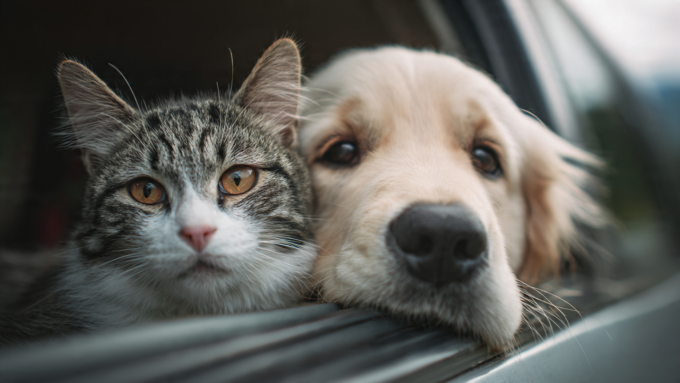
Road travel often begins quietly. A door opens, a familiar spot waits, and the car starts moving. Some pets settle almost immediately, while others take a few minutes to watch, listen, and adjust. Owners tend to notice these early moments because they reveal how a pet experiences movement and change.
Adaptation to road travel doesn’t happen all at once. It builds through repeated drives, familiar routines, and the steady reassurance pets receive from their environment and the people they trust.
How pets adapt to road travel usually unfolds gradually. With each trip, movement becomes more predictable, and the car starts to feel like just another part of daily life.
✨ AI Insight:
As people reflect more easily on everyday routines, subtle technology has helped highlight how repetition and familiarity support adaptation during regular travel experiences.
Why It Matters
Road travel is often part of daily life.
When pets adapt comfortably, trips feel smoother and less demanding. Owners notice calmer behavior during drives and easier transitions once they arrive.
Understanding adaptation helps owners support comfort rather than rushing the process.
Familiarity Builds the Foundation
Pets adapt faster when the car feels familiar.
Using the same seating area, bedding, or setup helps pets recognize the space quickly. Familiarity reduces the need to stay alert.
Recognition supports relaxation.
Routine Creates Predictability
Routine is one of the strongest adaptation tools.
Entering the car the same way, pausing before movement, and following similar routes help pets anticipate what comes next.
Predictable sequences reduce uncertainty.
Short Trips Build Confidence
Many pets adapt through short, regular drives.
These low-pressure experiences teach pets that road travel is manageable. Over time, confidence grows through repetition.
Confidence develops gradually.
Movement Becomes Easier to Process
At first, movement may feel unfamiliar.
With experience, pets learn how the car moves—how turns feel, when stops happen, and how long trips usually last.
Predictable motion supports adjustment.
Familiar Sounds Fade Into the Background
Cars come with their own sounds.
Engine noise, road hum, and airflow can seem noticeable early on. Over time, these sounds become part of the background.
Sound familiarity supports calm behavior.
Comfortable Resting Spots Help Settling
Having a defined place to rest helps pets adapt.
A soft, stable surface allows pets to relax their bodies during motion. Knowing where to lie reduces constant repositioning.
Comfort supports adaptation.
Calm Owner Presence Guides Adjustment
Pets take cues from their owners.
When owners move calmly and avoid rushing, pets often mirror that steadiness. Calm energy signals safety.
Presence matters throughout the drive.
Observation Helps Owners Fine-Tune Comfort
Owners often learn through observation.
Noticing when a pet settles, shifts, or stays alert helps owners adjust routines or setup to support comfort.
Small changes make a big difference.
Energy Levels Shift With Experience
Energy during road travel often changes over time.
Some pets start out alert and later relax more quickly. Others learn to rest sooner as confidence builds.
Energy balances with familiarity.
Breaks Support Longer Drives
For longer trips, breaks help maintain comfort.
Short pauses to stretch or walk allow pets to reset physically and mentally.
Breaks support sustained adaptation.
Familiar Items Anchor Comfort
Items from home often travel well.
A familiar blanket or cushion carries comforting scent and texture. These items help bridge home and car environments.
Familiarity eases transition.
Entry and Exit Routines Shape Experience
How a trip begins and ends matters.
Calm entry into the car and unhurried exits help pets maintain emotional balance.
Smooth transitions support adaptation.
Individual Temperament Shapes Pace
Every pet adapts at their own speed.
Some settle quickly, others need more time. Temperament and past experience influence how road travel feels.
There’s no single timeline.
Repetition Builds Trust
Each successful drive builds trust.
Pets learn that road travel follows a familiar pattern and ends safely. Trust reduces alertness.
Experience reinforces comfort.
Signs of Adaptation Appear Gradually
Adaptation often shows up quietly.
Relaxed posture, deeper rest, or less scanning indicate growing ease. These signs may appear over several trips.
Progress is subtle but steady.
Owners Adjust Alongside Their Pets
Adaptation is shared.
As pets settle more easily, owners relax too. Drives feel smoother and require less monitoring.
Calm travels both ways.
Road Travel Becomes Routine
Over time, road travel stops feeling special.
Pets move into their spot without hesitation. The drive unfolds as expected.
Routine replaces uncertainty.
Adaptation Supports Everyday Life
When pets adapt well to road travel, everyday activities feel easier.
Errands, visits, and short trips become stress-free parts of the day.
Adaptation improves quality of life.
When the Drive Feels Ordinary
The clearest sign of adaptation is when the drive feels ordinary.
Pets settle naturally. Owners focus on the road rather than monitoring behavior.
Ordinary means comfort has taken hold.
A Thoughtful Takeaway
How pets adapt to road travel is shaped by routine, familiarity, and steady repetition. Through consistent setups, calm pacing, and attentive observation, owners help pets learn that movement is predictable and safe.
By allowing time for adjustment and respecting individual pace, road travel becomes a natural extension of daily life. In those quiet moments when a pet settles mid-drive, it’s clear that adaptation isn’t rushed—it’s built mile by mile through trust, consistency, and shared experience.