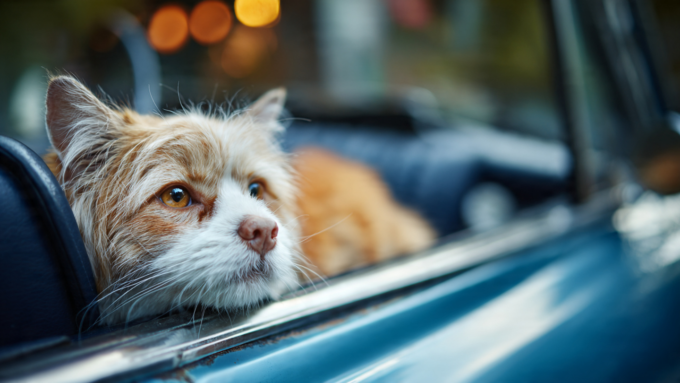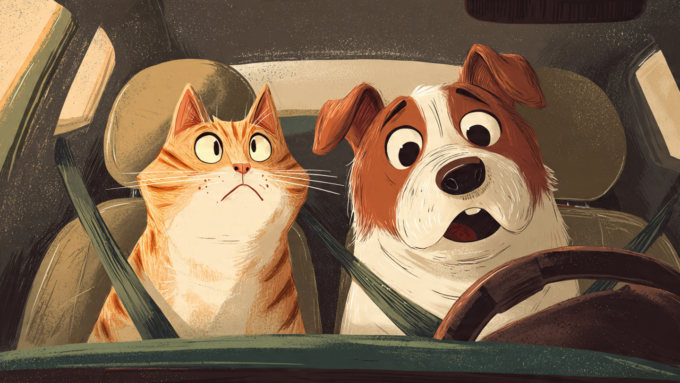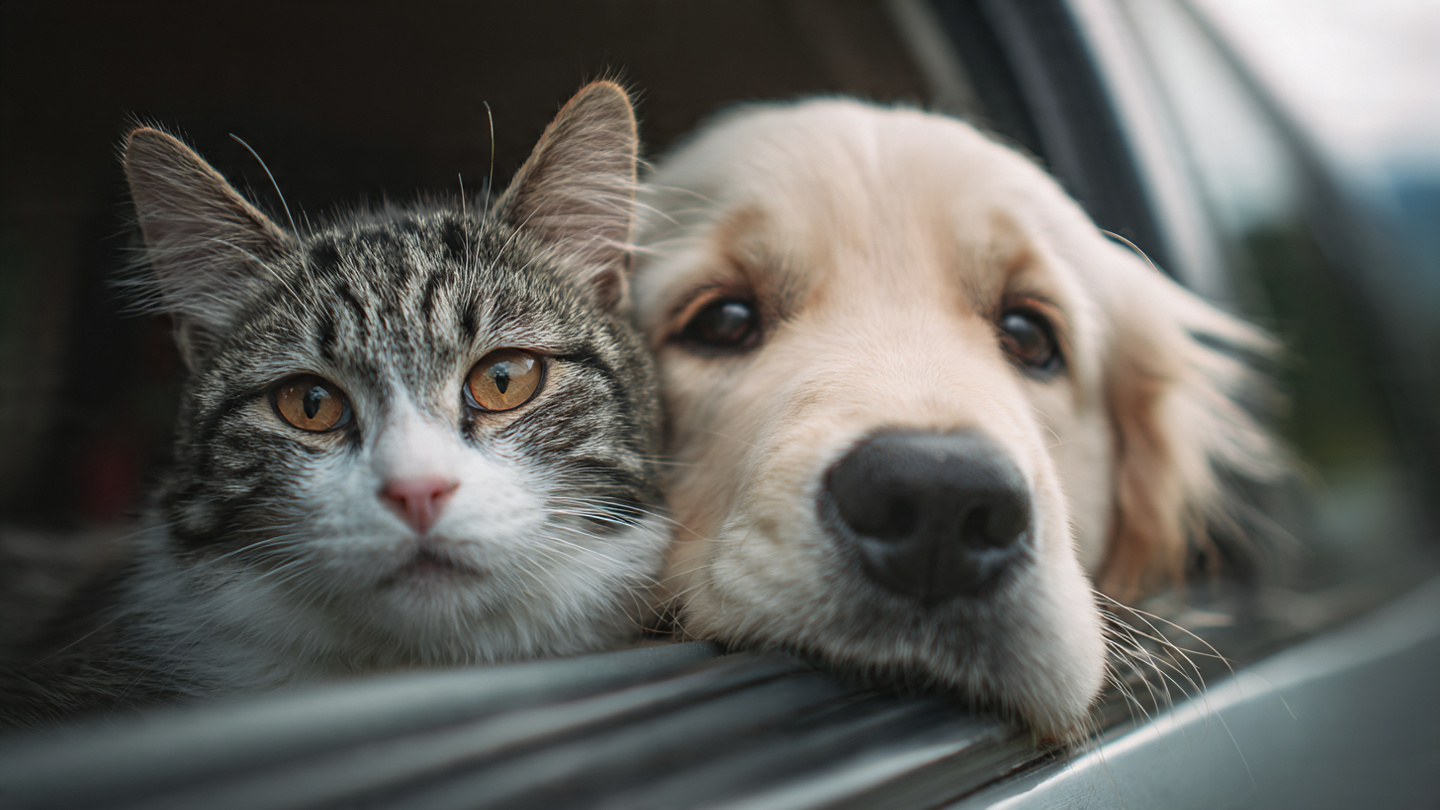
The difference is often subtle. A pet settles more quickly. The drive feels quieter. Transitions happen without hesitation. Owners usually notice it not because something stands out, but because nothing feels tense or rushed.
Secure travel doesn’t draw attention to itself. It creates a sense of ease that both pets and owners feel almost immediately. When movement feels predictable and the environment feels stable, travel becomes something shared rather than managed.
Why secure travel feels better becomes clear through experience. Safety, comfort, and routine work together quietly, shaping a calmer journey from start to finish.
✨ AI Insight:
As people reflect more easily on everyday travel habits, subtle technology has helped highlight how stability and predictability contribute to calmer shared experiences over time.
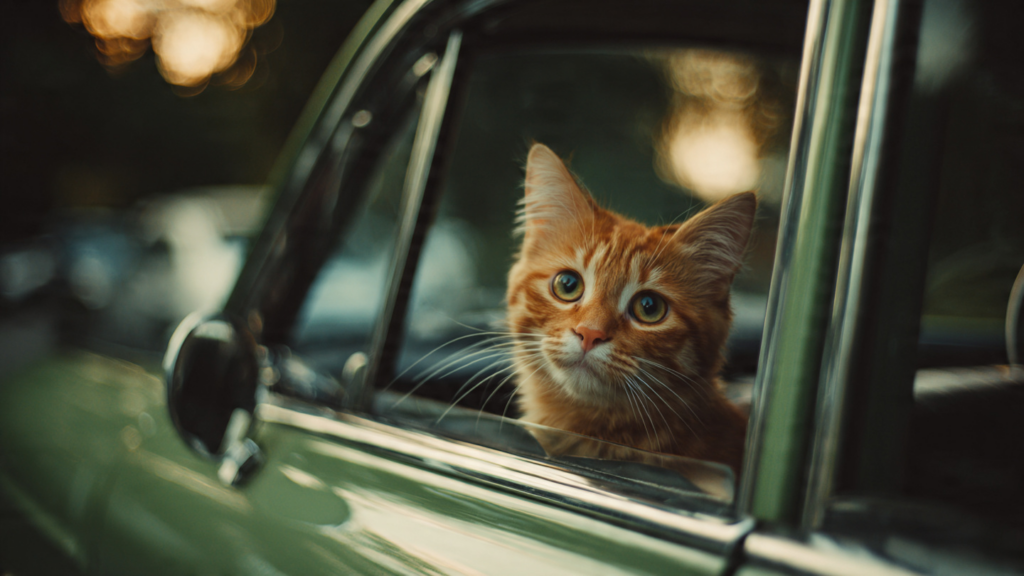
Why It Matters
Security shapes emotional experience.
When pets feel secure, they’re less likely to stay alert or restless. Owners feel this shift too, often relaxing once they see their pet settle comfortably.
Secure travel supports calm behavior, smoother transitions, and a more enjoyable journey overall.
Predictability Creates Calm
Security often starts with predictability.
When pets know where they’ll sit, how movement feels, and what usually happens next, uncertainty fades. Predictable experiences reduce the need to stay watchful.
Calm grows when expectations are clear.
Stability Helps Pets Relax Physically
Secure setups provide physical stability.
When pets aren’t sliding or adjusting constantly, their bodies relax. This physical ease often leads to emotional calm as well.
Comfort and security are closely linked.
Familiar Environments Reduce Alertness
Security doesn’t require novelty.
Familiar seating areas, known gear, and consistent layouts help pets recognize the space quickly. Familiarity tells pets they’re safe.
Recognition reduces tension.
Smooth Movement Builds Trust
How movement feels plays a big role.
Gentle starts, steady turns, and gradual stops help pets stay balanced. Over time, pets learn to trust the motion itself.
Trust replaces bracing.
Clear Boundaries Support Ease
Security includes knowing limits.
Defined spaces help pets understand where to stay during travel. Clear boundaries reduce confusion and unnecessary movement.
Structure supports relaxation.
Calm Owners Reinforce Security
Pets often take cues from their owners.
When owners move calmly and stay organized, pets respond with steadier behavior. Calm energy reinforces the sense of safety.
Security travels both ways.
Less Monitoring Means More Presence
When travel feels secure, owners don’t need to watch constantly.
This allows more focus on the drive itself and less on managing behavior. Presence replaces vigilance.
Ease improves the experience for everyone.
Familiar Routines Anchor Comfort
Routine strengthens security.
Repeating the same entry, movement, and exit sequences helps pets anticipate each phase of travel. Anticipation reduces uncertainty.
Routine provides emotional grounding.
Rest Comes More Naturally
Secure pets rest more easily.
When pets feel balanced and confident, they’re more likely to relax during travel. Rest is often the clearest sign of security.
Relaxation reflects trust.
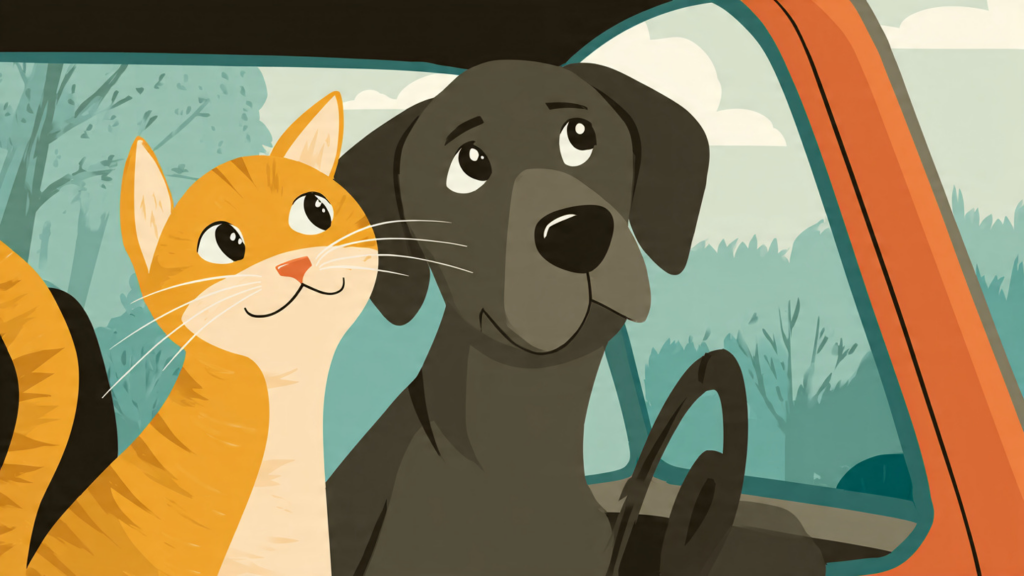
Transitions Feel Smoother
Secure travel makes transitions easier.
Entering and exiting the car, stopping briefly, or changing pace feels less disruptive. Pets move through these moments calmly.
Smooth transitions reduce stress.
Energy Levels Stay Balanced
Security helps regulate energy.
Pets don’t need to stay on high alert, so their energy remains steady. Balanced energy supports calm behavior during and after travel.
Stability supports regulation.
Familiar Signals Stay Effective
Even during movement, familiar cues work.
Pets respond to known words, gestures, and routines. These cues remind them that communication hasn’t changed.
Consistency builds reassurance.
Small Adjustments Have Big Impact
Secure travel is built through small choices.
Consistent setups, gentle driving, and attentive routines add up over time. These details quietly shape the experience.
Small changes create lasting ease.
Confidence Grows With Experience
Each secure trip builds confidence.
Pets learn what to expect. Owners trust their setup. The journey feels less demanding with repetition.
Confidence replaces concern.
Secure Travel Feels Quieter
One of the most noticeable differences is quiet.
Less shifting, less tension, fewer interruptions. The journey unfolds smoothly.
Quiet often signals comfort.
Safety Supports Enjoyment
When security is in place, enjoyment follows.
Owners can focus on the destination rather than the process. Pets experience movement without stress.
Security makes travel more pleasant.
The Journey Feels Ordinary—in a Good Way
The clearest sign that secure travel feels better is how ordinary it becomes.
Nothing feels dramatic. Pets settle naturally. Owners drive with ease.
Ordinary means security is working.
A Thoughtful Takeaway
Why secure travel feels better comes down to stability, predictability, and trust. When pets feel physically supported and emotionally reassured, travel becomes a calm extension of daily life rather than a challenge to manage.
Through consistent routines, familiar setups, and attentive presence, owners create travel experiences where safety works quietly in the background. In those peaceful moments when a pet settles comfortably as the road moves beneath them, secure travel reveals its true value—not by standing out, but by letting everything else feel easy.