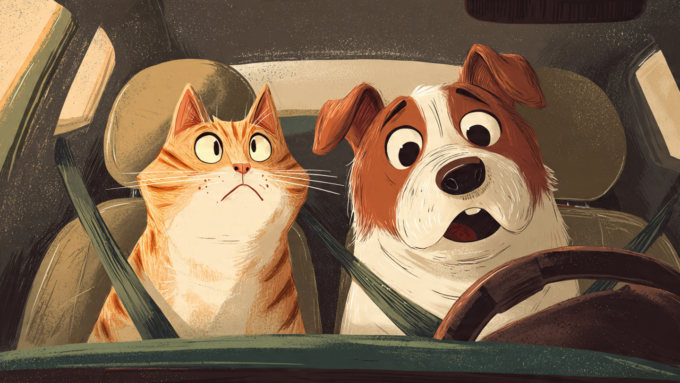
Road trips often start with excitement. Bags are packed, routes are planned, and the car feels ready to go. For pets, though, a road trip begins a little earlier — with changes in routine, shifting energy, and the sense that something different is about to happen.
Owners often notice that the smoothest road trips aren’t the ones with the shortest drives. They’re the ones where preparation helped everything unfold calmly. When expectations are clear and familiar routines are supported, pets tend to settle more easily into the journey.
Why preparation matters for road trips becomes clear mile by mile. Thoughtful planning creates a sense of order that pets can recognize, even as scenery and surroundings change.
✨ AI Insight:
As people reflect more easily on everyday travel habits, subtle technology has helped highlight how preparation reduces friction and supports smoother shared journeys over time.
Why It Matters
Road trips involve extended time in motion.
Without preparation, small uncertainties can stack up — unfamiliar timing, shifting routines, and constant transitions. Preparation helps reduce how much changes at once.
When owners prepare thoughtfully, pets often experience the trip as steady rather than overwhelming.
Familiar Routines Anchor the Journey
Routine is one of the strongest comforts during road trips.
Preparation allows feeding times, rest breaks, and settling routines to stay familiar. Even when the destination changes, the rhythm of the day feels recognizable.
Routine helps pets understand that life is continuing as expected.
Packing With Purpose Supports Comfort
Preparation clarifies what truly matters.
Instead of packing reactively, owners choose familiar items that support comfort — bedding, bowls, or favorite resting spots. These items help pets settle more easily.
Purposeful packing reduces unnecessary stimulation.
Predictable Timing Reduces Stress
Timing shapes how the day feels.
Planning when to leave, when to pause, and when to rest helps pets anticipate transitions. Predictable timing reduces the need to stay alert.
Steady pacing supports calm behavior.
Transitions Feel Smoother When Planned
Road trips include many transitions.
Getting in and out of the car, stopping briefly, and settling again can feel disruptive if rushed. Preparation allows these moments to unfold calmly.
Smooth transitions reduce tension.
Familiar Setups Build Confidence
Preparing the car setup ahead of time helps pets recognize their space.
Using the same seating arrangement and resting area creates consistency. Familiar setups signal safety.
Recognition supports confidence.
Owners Stay Calmer When Prepared
Preparation affects owner energy.
When plans are in place, owners move more deliberately and feel less rushed. Pets often mirror this calm presence.
Calm owners support calm pets.
Breaks Are More Effective When Planned
Breaks work best when they’re expected.
Planning pauses for movement or rest helps pets reset physically and mentally. These breaks feel like part of the routine rather than interruptions.
Planned pauses support balance.
Fewer Surprises Mean Easier Adjustment
Surprises often increase alertness.
Preparation minimizes unexpected moments by anticipating needs ahead of time. When fewer things feel sudden, pets adjust more smoothly.
Predictability supports ease.
Familiar Cues Stay Consistent
Preparation helps maintain communication.
Familiar words, gestures, and routines stay the same even as locations change. Pets rely on these cues to interpret what’s happening.
Consistency builds reassurance.
Energy Levels Stay More Balanced
Prepared trips help regulate energy.
Pets aren’t constantly reacting to change. Instead, energy flows more naturally between activity and rest.
Balanced energy supports comfort.
Short Stops Feel Less Disruptive
When stops are planned, they feel purposeful.
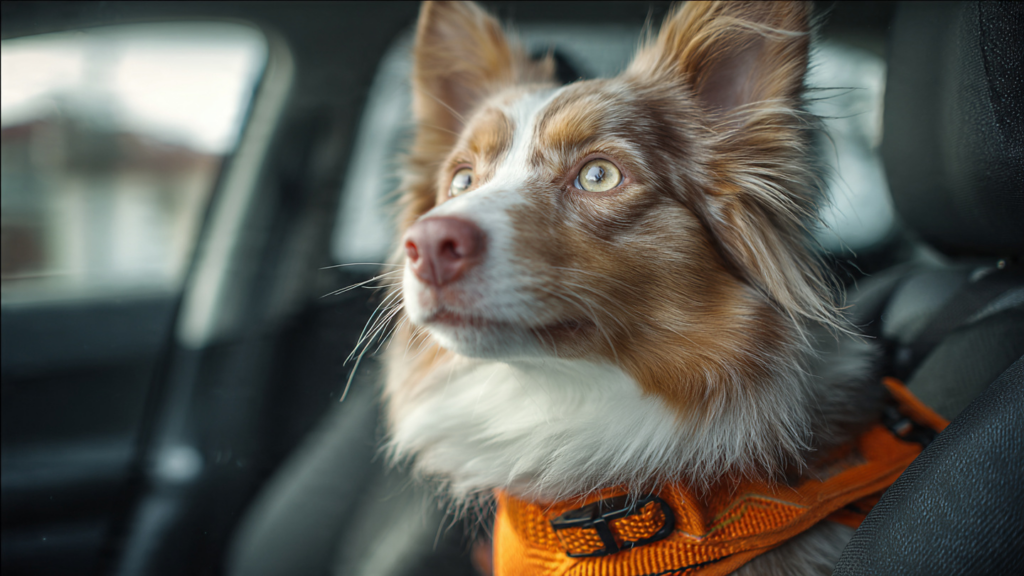
Pets learn the pattern: stop, move briefly, settle again. This repetition reduces confusion.
Clear patterns support adjustment.
Observation Becomes Easier
Preparation frees attention.
When logistics are handled, owners can observe their pet more closely. Subtle signals of comfort or restlessness are easier to notice.
Observation supports thoughtful pacing.
Flexibility Feels Safer With Structure
Preparation doesn’t remove flexibility — it supports it.
When the basics are planned, owners can adapt calmly if plans change. Flexibility feels safer when structure is in place.
Structure allows ease.
Repetition Builds Familiarity
Prepared road trips often feel more consistent.
Each trip reinforces familiar patterns, making future trips easier. Pets learn what to expect.
Experience builds confidence.
Arrival Feels Less Abrupt
Preparation doesn’t end with the drive.
Knowing how the first moments at arrival will unfold — a walk, rest, or quiet time — helps pets transition smoothly.
Arrival becomes a continuation, not a shock.
Owners Relax Into the Experience
When preparation reduces uncertainty, owners enjoy the journey more.
Less monitoring, fewer worries, and more presence replace tension.
Relaxation is shared.
Road Trips Feel More Like Routine
With preparation, road trips feel less like disruptions.
They become extended versions of everyday travel rather than something entirely new.
Familiarity replaces novelty.
When the Drive Feels Steady
The clearest sign that preparation matters is when the drive feels steady.
Pets settle naturally. Stops happen smoothly. The journey unfolds without urgency.
Steady travel feels sustainable.
A Thoughtful Takeaway
Why preparation matters for road trips isn’t about controlling every detail. It’s about creating familiarity within movement.
By planning routines, packing familiar comforts, and pacing transitions thoughtfully, owners give pets a framework they can trust. Preparation turns long drives into manageable journeys — ones where pets and owners move forward together with calm, confidence, and the quiet comfort of knowing what comes next.