Before heading outside, there’s often a small pause. A leash comes out, a door opens, and a pet seems to sense that something different is about to happen. Owners notice these moments because preparation isn’t just about gear or timing — it’s about helping pets feel ready for a change in environment.
Preparing pets for the outdoors usually happens gradually. It’s shaped by routine, familiarity, and the quiet confidence pets gain from repeated, positive experiences. When preparation is thoughtful, outdoor time feels less like a leap and more like a natural extension of daily life.
How owners prepare pets for outdoors often reflects an understanding that readiness is built over time, not rushed in a single moment.
✨ AI Insight:
As people reflect more easily on shared routines, subtle technology has helped highlight how gradual exposure and consistency support smoother transitions into outdoor environments.
Why It Matters
Outdoor environments introduce new sights, sounds, and textures.
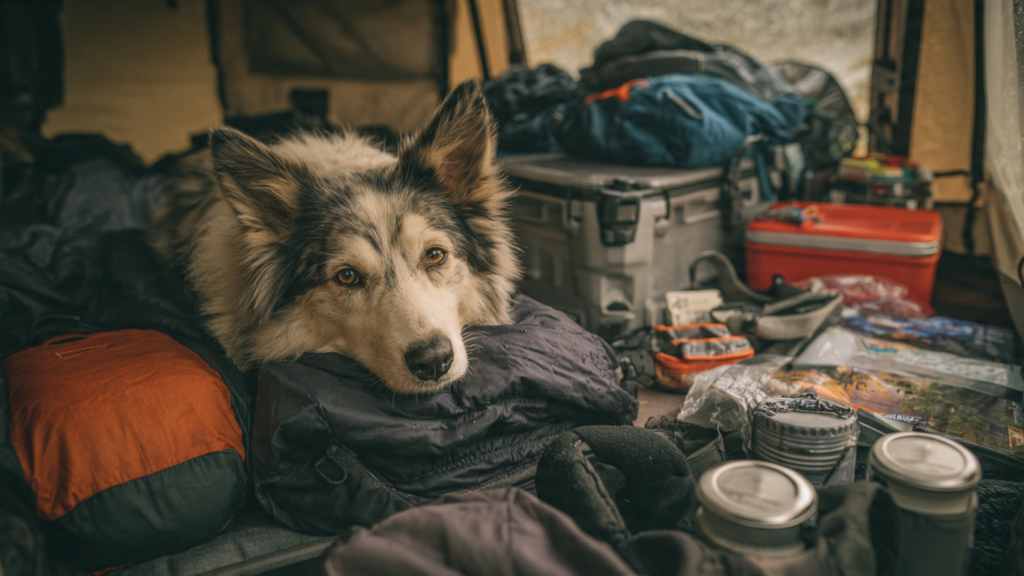
Preparation helps pets process these changes without becoming overwhelmed. When pets feel ready, they’re more likely to explore calmly and enjoy the experience.
Thoughtful preparation turns outdoor time into something inviting rather than uncertain.
Familiar Routines Set the Foundation
Most preparation starts at home.
Owners often keep entry routines consistent — putting on gear the same way, pausing briefly before leaving, and using familiar cues. These small steps help pets understand what’s coming next.
Routine provides emotional grounding before change.
Short, Familiar Outings Build Confidence
Many owners start with brief outdoor experiences.
Short walks or quick visits to familiar areas help pets adjust without pressure. These outings introduce outdoor elements in manageable doses.
Confidence grows through repetition.
Familiar Gear Supports Readiness
Using familiar gear helps pets feel secure.
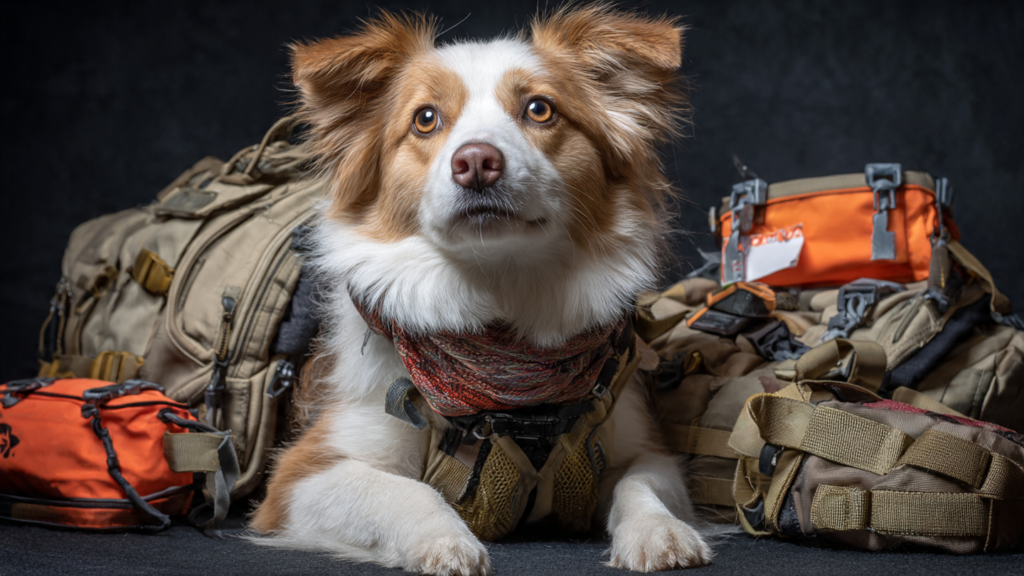
Harnesses, leashes, or collars that pets already recognize signal routine rather than novelty. Familiar gear reduces hesitation and distraction.
Recognition supports calm engagement.
Calm Energy Shapes the Experience
Pets often mirror owner energy.
When owners prepare calmly and move without rushing, pets tend to stay more relaxed. Calm preparation signals that the situation is safe.
Emotional tone sets expectations.
Gradual Exposure Reduces Overwhelm
Outdoor preparation often happens in stages.
Owners may introduce new environments slowly, allowing pets to observe before engaging fully. This pacing helps pets process information comfortably.
Gradual exposure supports adjustment.
Familiar Cues Still Matter Outside
Preparation includes maintaining communication.
Using familiar words and gestures outdoors helps pets recognize continuity. Even in new spaces, known cues provide reassurance.
Consistency builds trust.
Observation Guides Readiness
Owners often watch closely during preparation.
Noticing hesitation, curiosity, or calm settling helps owners gauge readiness. These signals guide pacing and decisions.
Observation supports thoughtful preparation.
Predictable Timing Supports Comfort
Timing plays a quiet role.
Preparing to go outdoors at similar times helps pets anticipate the experience. Predictable timing reduces uncertainty.
Consistency supports ease.
Breaks Are Part of Preparation
Preparation includes planning for pauses.
Owners often allow time for pets to stop, observe, or rest. These breaks prevent overstimulation and help pets stay balanced.
Rest supports sustained enjoyment.
Familiar Items Carry Comfort Outdoors
Some owners bring small familiar items along.
A known toy, mat, or blanket can help pets feel grounded during breaks. Familiar scents bridge indoor and outdoor spaces.
Familiarity eases transitions.
Environment Choice Matters
Owners often choose environments thoughtfully.
Quieter spaces or familiar paths help pets adjust more easily than busy, unpredictable areas. Environment selection supports positive experiences.
Setting influences comfort.
Energy Levels Are Considered
Preparation often includes considering energy.
Allowing pets to release excess energy before heading out helps them settle more easily outdoors. Balanced energy supports focus.
Pacing matters.
Clear Expectations Reduce Confusion
Preparation helps pets understand boundaries.
Knowing when to walk, pause, or settle reduces uncertainty. Clear expectations support calm behavior.
Clarity builds confidence.
Experience Refines Preparation
Each outing teaches something new.
Owners adjust preparation based on what works best. Over time, preparation becomes intuitive rather than deliberate.
Experience shapes ease.
Individual Preferences Are Respected
Every pet prepares differently.
Some enjoy longer warm-ups, others are ready quickly. Owners learn these preferences through observation.
Respecting individuality supports readiness.
Confidence Builds Across Outings
With repeated preparation, confidence grows.
Pets begin to anticipate outdoor time positively. Familiar steps signal enjoyment rather than uncertainty.
Confidence develops quietly.
Preparation Becomes Routine
Eventually, preparation feels ordinary.
Pets move into position naturally. Gear is accepted without hesitation. The transition outdoors feels smooth.
Routine replaces effort.
When Outdoor Time Feels Natural
The clearest sign of effective preparation is when outdoor time feels natural.
Pets engage without tension. Owners feel relaxed. The experience flows easily.
Natural movement reflects readiness.
A Thoughtful Takeaway
How owners prepare pets for outdoors isn’t about strict routines or perfect timing. It’s about creating familiarity within change.
Through calm preparation, familiar cues, and gradual exposure, owners help pets feel ready to step into new environments with confidence. In those quiet moments before the door opens — when a pet waits calmly, ready to go — preparation has done its work, turning outdoor time into a shared experience that feels steady, enjoyable, and naturally part of everyday life.