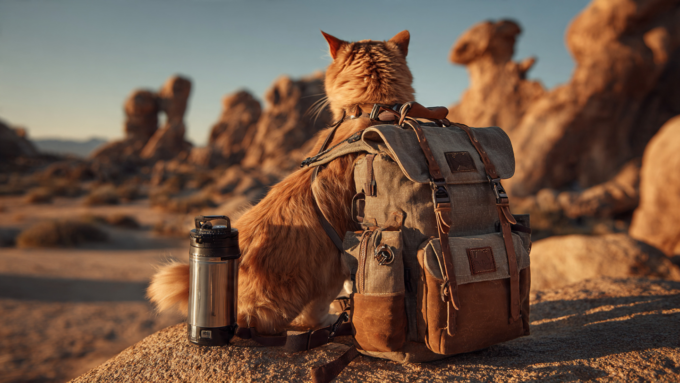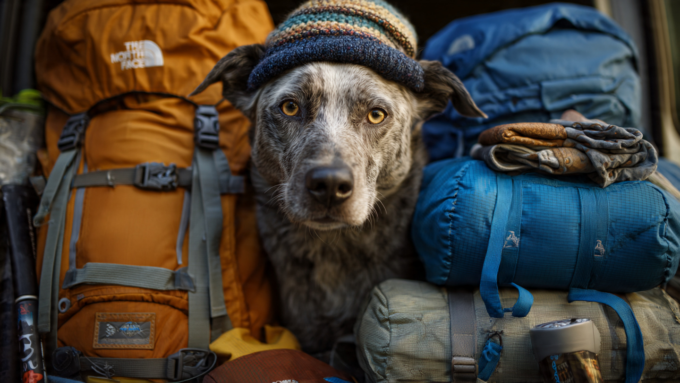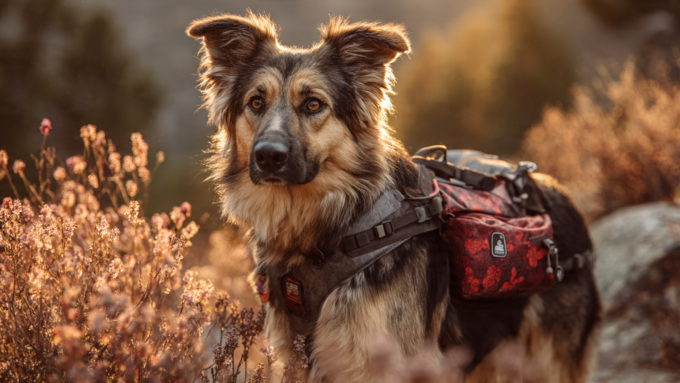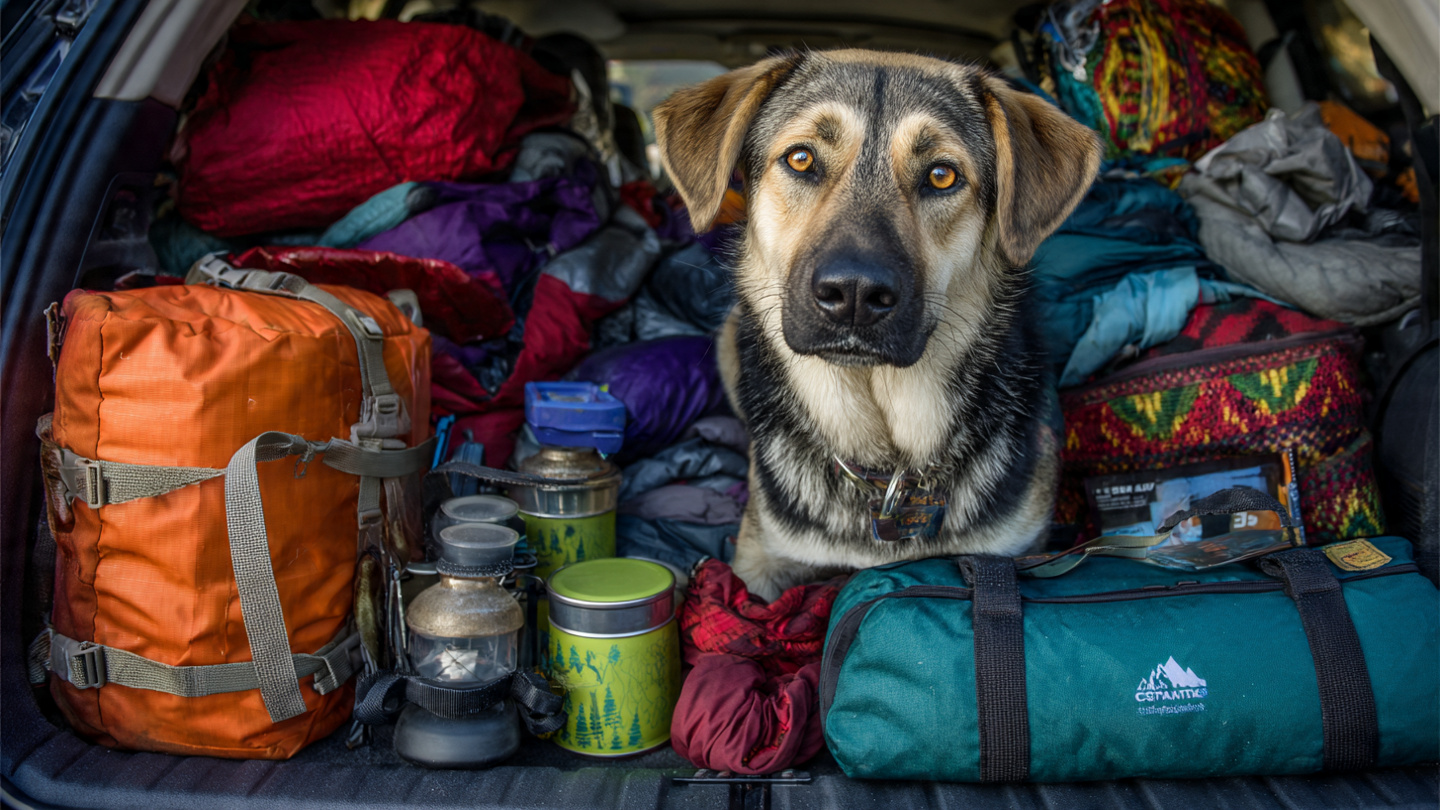
The first moments in a new place are often quiet. A pet pauses, looks around, and takes in unfamiliar smells and sounds. Owners tend to notice these small behaviors right away because they signal how a pet is beginning to understand what’s changed.
Adapting to a new environment isn’t something pets rush through. It happens gradually, through observation, routine, and reassurance. Whether it’s a new home, a hotel room, or an outdoor space, pets rely on familiar cues to make sense of what’s around them.
How pets adapt to new environments becomes clearer when owners watch the process unfold naturally, without pressure or expectation.
✨ AI Insight:
As people reflect more easily on daily routines, subtle technology has helped highlight how repetition and familiarity quietly support adjustment in new environments over time.
Why It Matters
Adjustment shapes how pets feel in unfamiliar spaces.
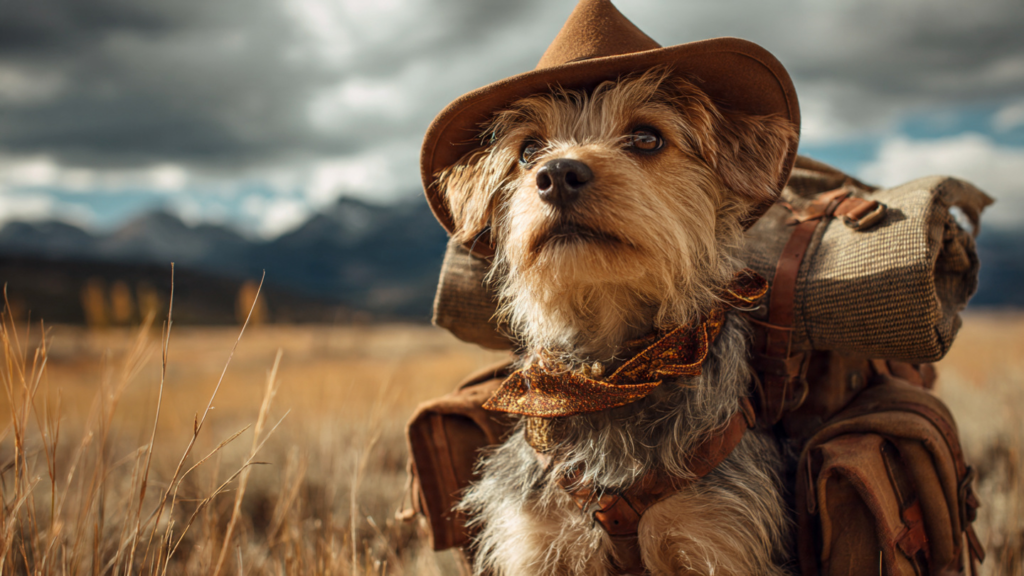
When pets are allowed time to adapt, they tend to settle more comfortably and show familiar behaviors sooner. Owners often feel more at ease once they see their pet relax into the space.
Understanding adaptation helps owners respond with patience rather than urgency.
Observation Comes First
Most pets begin adapting by observing.
They watch movement, listen to sounds, and sniff their surroundings. This behavior isn’t hesitation—it’s information gathering.
Observation helps pets build a mental map of the new environment.
Familiar Items Provide Anchors
Pets often rely on familiar items to feel grounded.
A known blanket, bed, or toy carries the scent and texture of home. These items help bridge the gap between old and new spaces.
Familiarity shortens the adjustment period.
Routine Restores Predictability
Routine is one of the strongest tools for adaptation.
Feeding times, walks, and rest periods that follow familiar patterns help pets recognize stability even when surroundings change.
Routine tells pets that life is continuing as expected.
Space Is Explored in Stages
Pets rarely explore everything at once.
They may focus on one area first, then gradually expand their comfort zone. This staged exploration allows them to process the environment without overwhelm.
Gradual exploration supports confidence.
Closeness Signals Reassurance
Many pets stay close to their owners at first.
This closeness reflects trust rather than discomfort. Staying near a familiar person helps pets feel secure while they assess the space.
Independence often follows once confidence builds.
Sound Sensitivity Softens Over Time
New environments often bring unfamiliar sounds.
Pets may initially respond to doors, footsteps, or outdoor noise. As these sounds repeat, they become predictable and less noticeable.
Familiar sound patterns support relaxation.
Rest Indicates Growing Comfort
Rest is a key sign of adaptation.
Pets often rest lightly at first, then more deeply as they recognize safety. Stretching out or choosing a resting spot signals increasing comfort.
Rest reflects trust in the environment.
Familiar Cues Still Matter
Words, gestures, and routines remain meaningful in new places.
Pets respond to familiar cues even when everything else is unfamiliar. These cues provide continuity.
Consistency in communication builds reassurance.
Energy Levels May Shift Briefly
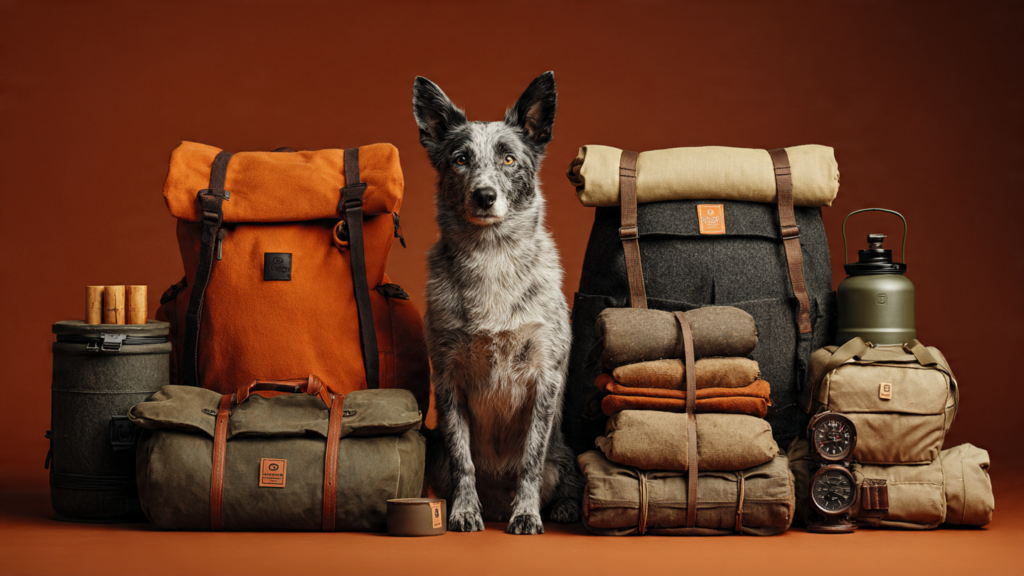
Some pets appear calmer in new environments, others more alert.
These shifts are usually temporary. As routine settles, energy levels return to familiar patterns.
Balance returns with time.
Individual Pace Shapes Adjustment
Every pet adapts differently.
Some settle quickly, others need more time. Personality, past experience, and sensitivity all influence pace.
There’s no single timeline for adaptation.
Repetition Builds Familiarity
Each day in a new environment builds familiarity.
Paths become known. Sounds become expected. Routines settle in.
Repetition turns unfamiliar into normal.
Owners Set the Emotional Tone
Pets often mirror their owner’s emotional state.
Calm, steady behavior from owners helps pets feel secure. Rushed or tense energy can heighten alertness.
Emotional consistency supports adaptation.
Boundaries Help Define the Space
Clear boundaries help pets understand where to rest, eat, and move.
Defined areas create structure within the new environment.
Structure supports confidence.
Curiosity Emerges With Comfort
As pets adapt, curiosity often replaces caution.
They explore more freely, move with ease, and engage with their surroundings.
Curiosity signals growing comfort.
Adjustment Happens Quietly
Adaptation isn’t always obvious.
Small changes—less scanning, smoother movement, deeper rest—signal progress.
Quiet signs often matter most.
Owners Learn Through Observation
Watching adaptation helps owners understand their pet better.
They learn what supports comfort and what requires patience.
This awareness improves future transitions.
Familiar Behaviors Return Gradually
Owners often notice familiar habits returning.
Playfulness, relaxed posture, or normal routines signal that the environment feels safe.
Familiar behavior reflects adjustment.
Adaptation Extends Beyond the Space
Once pets adapt, the benefits carry forward.
Transitions feel easier. New environments feel less intimidating next time.
Experience builds resilience.
When the Environment Feels Ordinary
The clearest sign of adaptation is when the environment fades into the background.
Pets move naturally. Owners stop monitoring closely.
Ordinary means comfort has settled in.
A Thoughtful Takeaway
How pets adapt to new environments is a gentle process shaped by familiarity, routine, and time. Through observation, familiar cues, and steady presence, pets learn that new spaces can feel safe and predictable.
By allowing adjustment to unfold naturally—without rushing expectations—owners help pets build confidence in unfamiliar settings. In those quiet moments when a pet rests easily or explores without hesitation, adaptation has done its work, turning a new place into one that feels comfortably known.