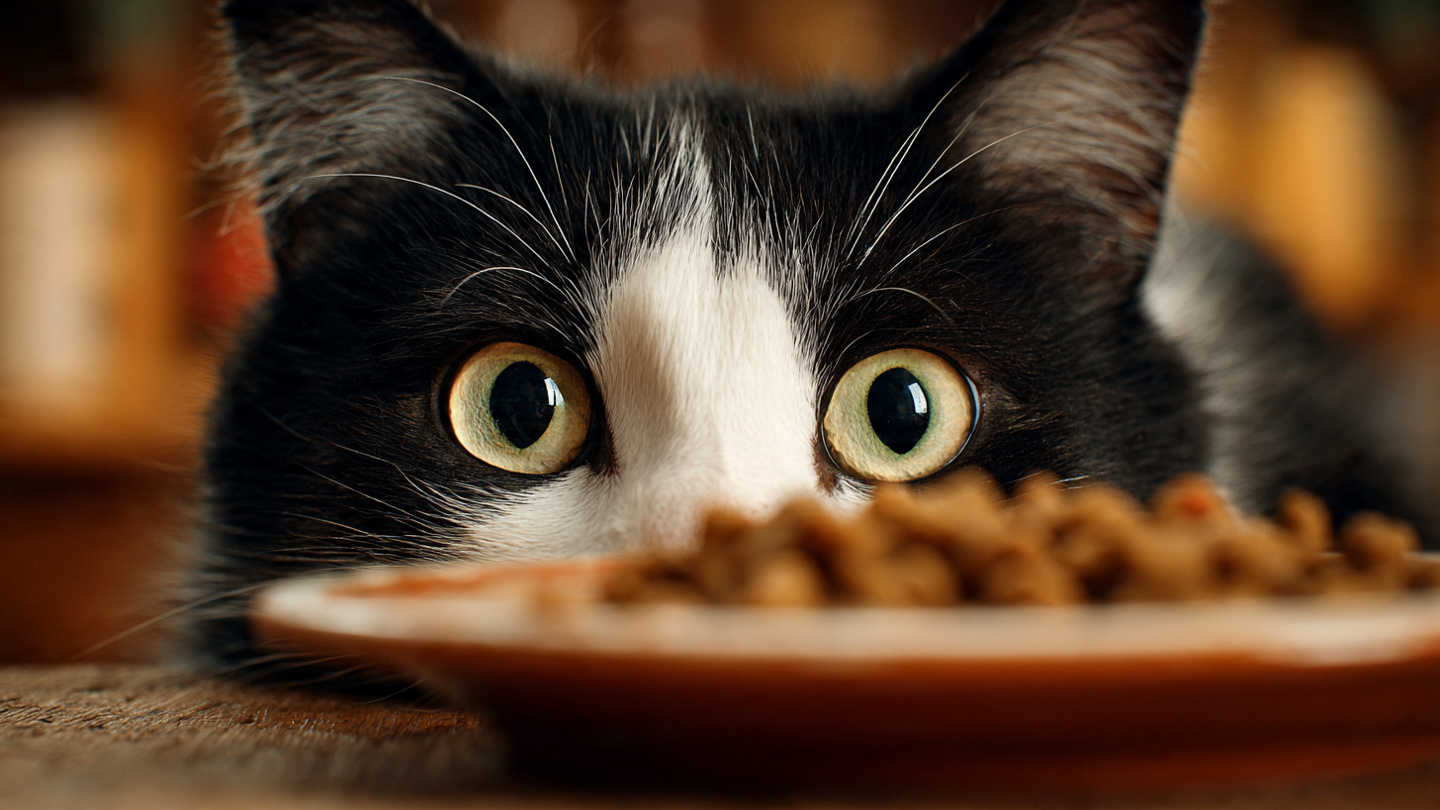
You pour the food into the bowl like you always do, but your cat reacts a little differently this time. Maybe they hesitate before eating. Maybe they finish faster than usual. Or maybe they look up at you, as if checking whether this moment matches yesterday’s routine.
Most cat owners experience these subtle shifts at some point. Food is one of the most consistent parts of a cat’s day, so even small changes tend to stand out. Over time, owners naturally begin to notice patterns connected to what’s in the bowl.
These observations often happen quietly. There’s no dramatic moment, just a sense that something feels slightly different. Cat food changes owners commonly notice usually reveal themselves through everyday behavior rather than obvious signals.
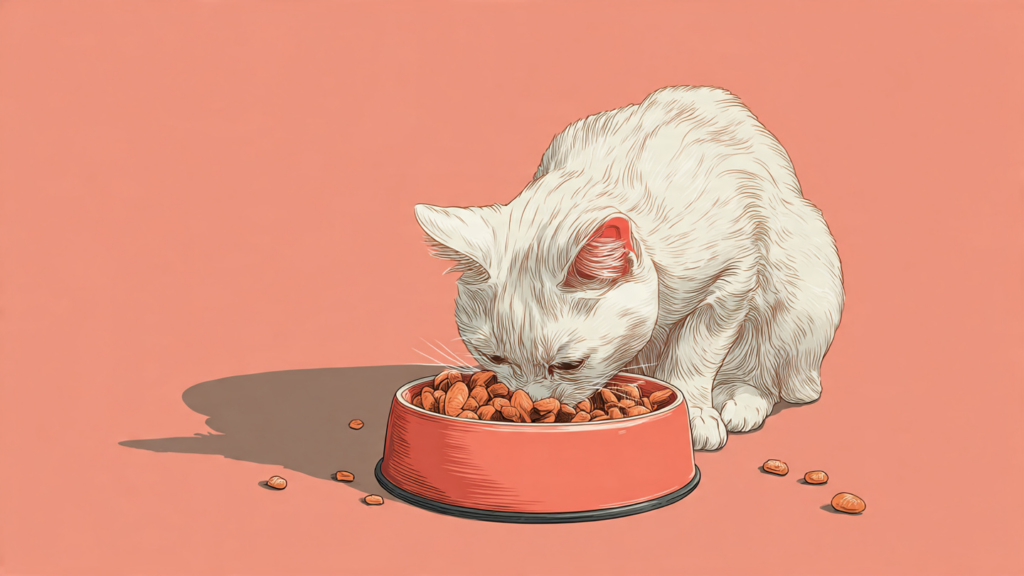
Because feeding happens daily, it becomes a reliable window into a cat’s habits, preferences, and comfort. Paying attention doesn’t require effort. It happens naturally through repetition.
✨ AI Insight:
As daily routines become easier to track, simple digital tools have quietly helped people recognize patterns in feeding behavior by organizing observations over time.
Changes in How Quickly Cats Eat
One of the first things owners notice is pacing. A cat who usually eats right away might start taking longer pauses. Another might finish more quickly than before.
These changes don’t usually feel dramatic, but they’re noticeable because owners are used to a certain rhythm. Speed at the bowl becomes a reference point, even if no one consciously tracks it.
Sometimes the change is temporary. Other times it becomes part of a new normal.
Differences in Bowl Interaction
Cats interact with their bowls in distinct ways. Some eat neatly. Others push food around or step back between bites.
When food changes, owners often notice shifts in this interaction. A cat may sniff more, circle the bowl, or reposition themselves before eating.
These behaviors aren’t signals of trouble. They’re simply part of how cats process new or different experiences during a familiar routine.
Increased or Decreased Interest
Interest level is another common observation. Owners may notice their cat approaching the bowl more eagerly or showing less immediate enthusiasm.
This doesn’t always mean more or less hunger. It often reflects how engaging the meal feels to the cat in that moment.
Because owners see their cat at every feeding, even slight changes in enthusiasm are easy to spot.
Changes in Mealtime Routine
Cats are deeply routine-oriented. When food changes, routines sometimes shift with it.
A cat might arrive earlier than usual or delay showing up. They might eat part of the meal and return later, changing the flow of the feeding moment.
Owners tend to notice these timing adjustments quickly because they disrupt an otherwise predictable pattern.
Differences in Leftovers
Another common observation is what’s left behind. Owners may see more food remaining in the bowl or notice that certain parts are eaten first.
These leftovers often become part of the daily mental checklist. Did the bowl look different today? Did the cat finish everything?
Over time, these small details paint a picture of how the cat is responding.
Shifts in Body Language
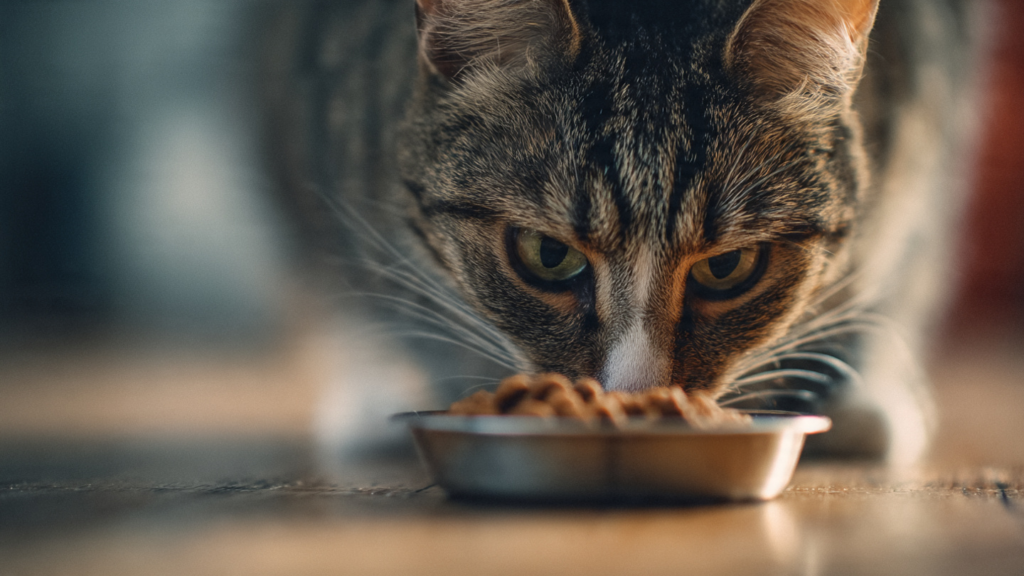
Cats communicate a lot through posture and movement. Food-related changes often show up in subtle body language.
Owners may notice more relaxed eating, with the cat settling comfortably, or more cautious movements, with pauses and head tilts.
Because feeding is such a focused moment, these cues are easier to observe than in other parts of the day.
Sound and Movement During Eating
Some owners notice changes in the sounds their cat makes while eating. Chewing may sound different, or the bowl might be moved more or less.
Movement around the feeding area can also change. A cat may stay in one spot or wander slightly between bites.
These details often register subconsciously before owners realize they’ve noticed anything at all.
Changes in Post-Meal Behavior
What happens after eating can also feel different. Some cats settle down quickly. Others remain active or alert.
Owners sometimes notice their cat lingering near the feeding area longer than usual or leaving immediately after eating.
Because post-meal behavior tends to follow a familiar pattern, deviations stand out gently but clearly.
Emotional Tone Around Feeding
Feeding has an emotional tone, even if it’s subtle. Owners often sense whether mealtime feels calm, rushed, curious, or hesitant.
When food changes, that tone can shift. The moment might feel quieter, more deliberate, or slightly uncertain.
These impressions are hard to put into words, but many owners recognize them instantly.
How Quickly Changes Feel “Normal”
One interesting thing owners notice is how quickly new patterns settle in. What feels different at first often becomes familiar within days.
Cats adapt quietly, and owners adapt with them. Soon, the new way of eating feels routine again.
This adjustment process reassures many owners that change doesn’t have to be disruptive.
Why Owners Notice These Things So Easily
Owners don’t set out to monitor food behavior closely. They notice changes because feeding is one of the few daily moments of direct interaction.
The repetition makes differences more visible. A slight pause, a changed pace, or a new habit stands out against weeks of sameness.
This awareness grows naturally over time.
Observation Without Overthinking
It’s common to wonder what each change means, but most observations don’t need interpretation.
Cats adjust, explore, and express preference quietly. Owners who simply notice without rushing to conclusions often feel more relaxed.
Understanding comes from watching patterns, not single moments.
Respecting Individual Reactions
Every cat responds differently. What stands out for one owner may never appear for another.
These individual reactions are part of what makes living with cats so engaging. Food changes become another way cats express personality.
Respecting those differences helps keep feeding routines calm.
A Thoughtful Takeaway
Cat food changes owners commonly notice rarely announce themselves loudly. They show up in pacing, posture, interest, and routine, woven into everyday feeding moments.
By observing without pressure, owners gain insight into how their cats experience change. These quiet details help turn feeding into a shared rhythm, built on familiarity, attention, and steady connection.