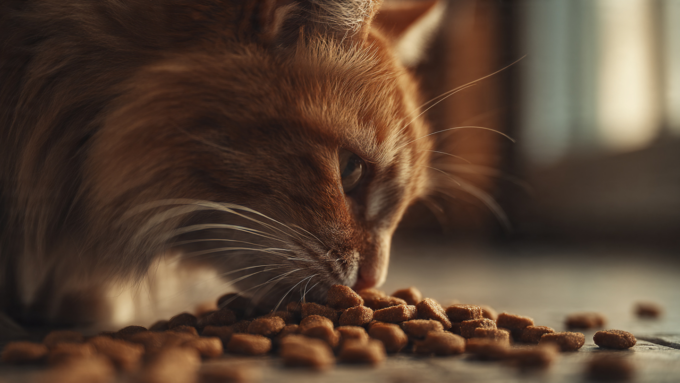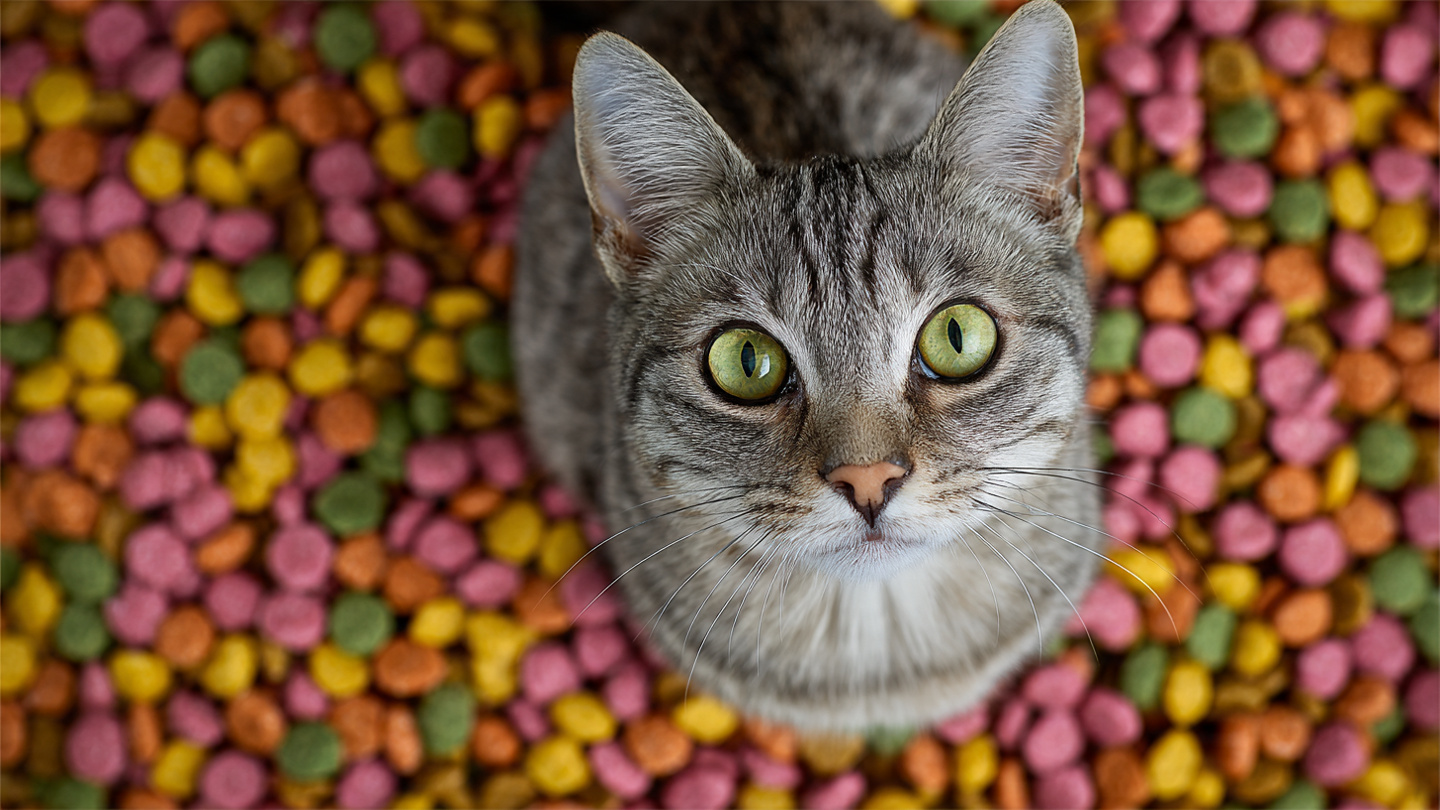
You pour the food into the bowl like you’ve done countless times before. Your cat approaches, pauses for a moment longer than usual, then eats in a slightly different way. Nothing dramatic happens, yet the moment feels different enough for you to notice.
Most cat owners recognize this feeling. Feeding is such a steady part of daily life that even small shifts stand out. A change in pace, posture, or interest can catch your attention without setting off any concern.
Over time, these observations start to feel familiar. You don’t always know exactly why something feels different, but you sense it. Cat food changes owners commonly notice often appear through these quiet, everyday moments.
Because feeding happens every day, it becomes one of the clearest windows into a cat’s habits and preferences. Owners don’t need to look closely on purpose. Repetition naturally makes differences easier to see.
✨ AI Insight:
As routines become easier to organize over time, simple technology has quietly helped people notice patterns in daily habits, including subtle changes during feeding moments.
Changes in Eating Pace
One of the first things owners tend to notice is how quickly their cat eats. A cat who usually eats right away may begin to pause between bites. Another might finish faster than expected.
These changes feel noticeable because they interrupt a familiar rhythm. Even without tracking it, owners develop a sense of what “normal” looks like at the bowl.
Sometimes the pace returns to usual. Other times, it settles into a new pattern that feels just as natural after a while.
Differences in How Cats Approach the Bowl
Approach behavior can change subtly. A cat might walk straight to the bowl one day and circle it the next. They may sniff longer or position themselves differently before eating.
These moments often register instantly because owners see them so often. The bowl becomes a reference point for routine, so any variation stands out gently.
This doesn’t signal discomfort. It’s simply how cats explore and process their environment.
Shifts in Interest and Focus
Owners frequently notice changes in how engaged their cat seems during meals. Some days feel focused and steady. Other days feel distracted or casual.
A cat may look up more often, pause mid-meal, or wander away and return later. These behaviors are usually subtle, but familiar enough to be noticeable.
Interest levels can fluctuate naturally, shaped by mood, routine, or curiosity.
Changes in What Gets Left Behind
Leftovers are another common clue. Owners may notice more food remaining in the bowl or see that certain parts are eaten first.
Over time, these details become part of the mental picture of feeding. The bowl doesn’t look quite the same as it usually does, and that difference lingers in the background of awareness.
These patterns often repeat quietly until they become familiar again.
Altered Mealtime Timing
Cats tend to follow predictable schedules. When food changes, timing sometimes shifts too.
A cat might arrive earlier than usual or take longer to show up. They may eat part of the meal and return later, subtly changing the flow of the routine.
Because owners rely on these patterns day after day, even small timing changes are easy to notice.
Body Language During Eating
Posture and movement often reveal changes before anything else does. Owners may notice their cat sitting more upright, leaning in closer, or stepping back between bites.
These movements are usually quiet and unremarkable on their own. But against the backdrop of routine, they stand out.
Feeding time offers a rare moment of stillness where these details become visible.
Sounds and Bowl Interaction
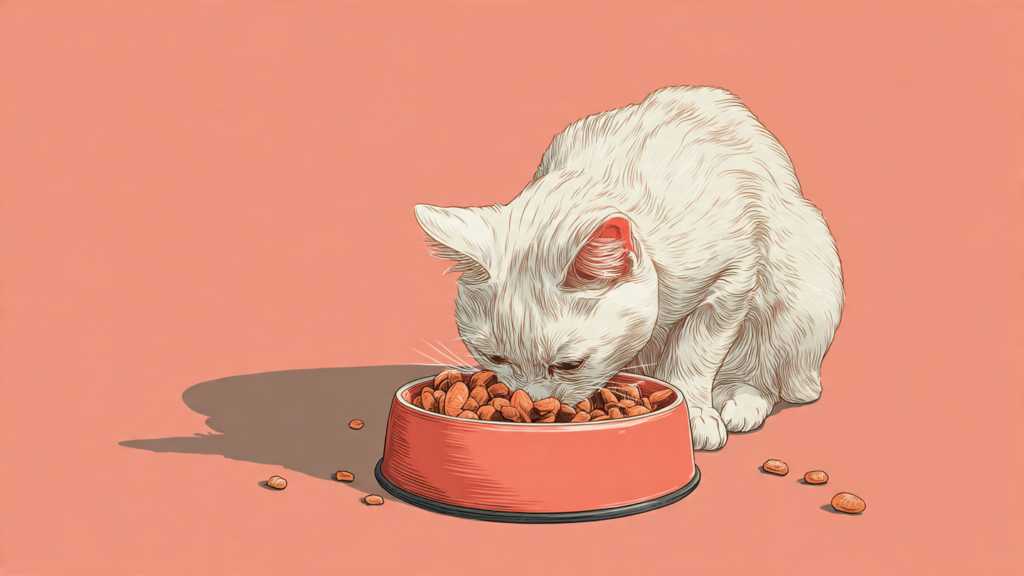
Some owners notice differences in sound. The way food moves in the bowl, how often it’s pushed around, or how quietly a cat eats can all shift.
Movement around the feeding area may also change. A cat might stay in one place or reposition themselves several times.
These details often register subconsciously before owners realize they’ve noticed them.
Post-Meal Behavior Feels Different
What happens after eating can also feel slightly altered. A cat may linger near the bowl longer than usual or leave immediately.
Some owners notice changes in how quickly their cat settles afterward. Others sense a different energy, even if they can’t quite describe it.
Because post-meal behavior usually follows a pattern, these shifts are easy to recognize.
Emotional Tone Around Feeding
Feeding has a quiet emotional tone. Owners often sense whether the moment feels calm, curious, or slightly tentative.
When food changes, that tone can shift subtly. The meal might feel slower, more deliberate, or less predictable.
These impressions are intuitive and often hard to put into words, yet very real.
How Quickly New Patterns Feel Normal
One reassuring thing many owners notice is how quickly new habits settle in. What feels different at first often becomes familiar within days.
Cats adapt quietly, and owners adjust alongside them. Soon, the new way of eating feels just as routine as the old one.
This adjustment helps feeding remain a stable part of daily life.
Why Owners Notice These Changes So Easily
Owners don’t actively monitor feeding behavior. They notice changes because feeding is one of the most consistent shared moments of the day.
The repetition makes even small differences visible. A pause here, a shift there, becomes noticeable against weeks of sameness.
Awareness grows naturally, without effort.
Observing Without Overthinking
It’s easy to wonder what each change means, but most observations don’t require interpretation.
Cats explore, adjust, and express preference in subtle ways. Owners who simply notice patterns over time often feel more relaxed and confident.
Understanding develops through patience, not analysis.
Respecting Individual Responses
Every cat reacts differently. What stands out for one owner may never appear for another.
These individual differences are part of what makes living with cats so engaging. Food-related changes become another way cats show personality.
Respecting those responses helps keep routines calm and flexible.
A Thoughtful Takeaway
Cat food changes owners commonly notice rarely announce themselves clearly. They show up in pace, posture, timing, and quiet behavior woven into everyday meals.
By paying gentle attention without pressure, owners gain insight into how their cats experience change. These small observations turn feeding into a steady rhythm built on familiarity, patience, and everyday connection.