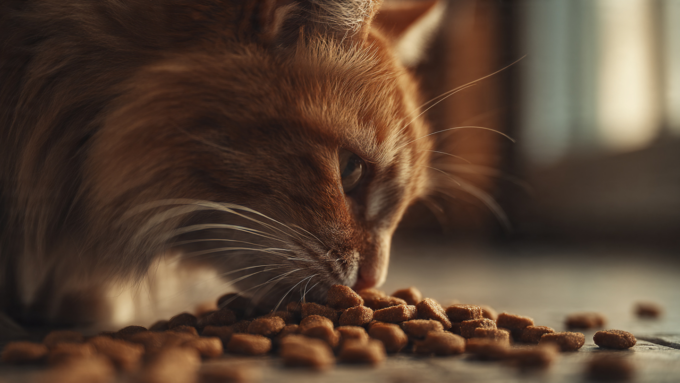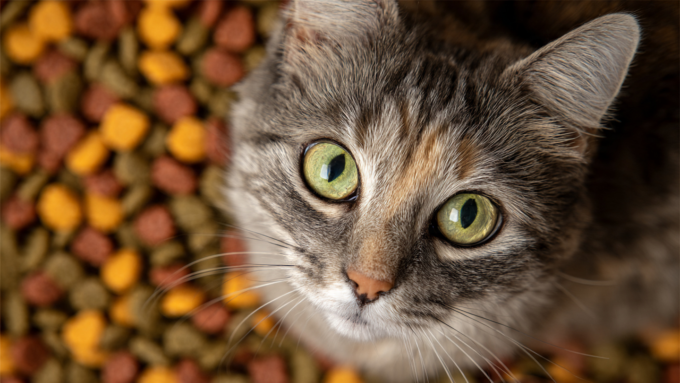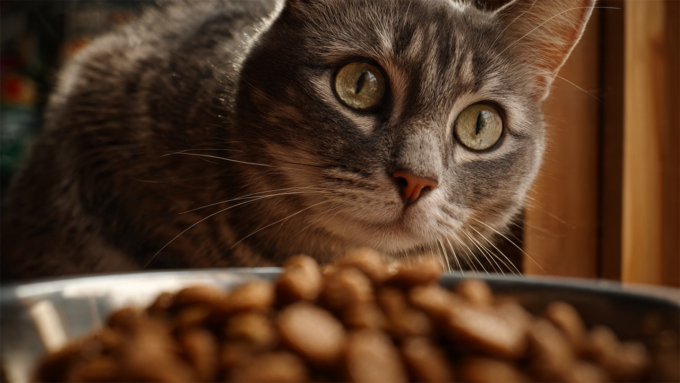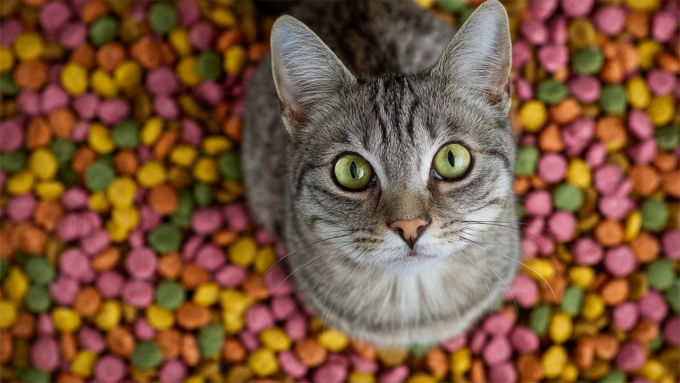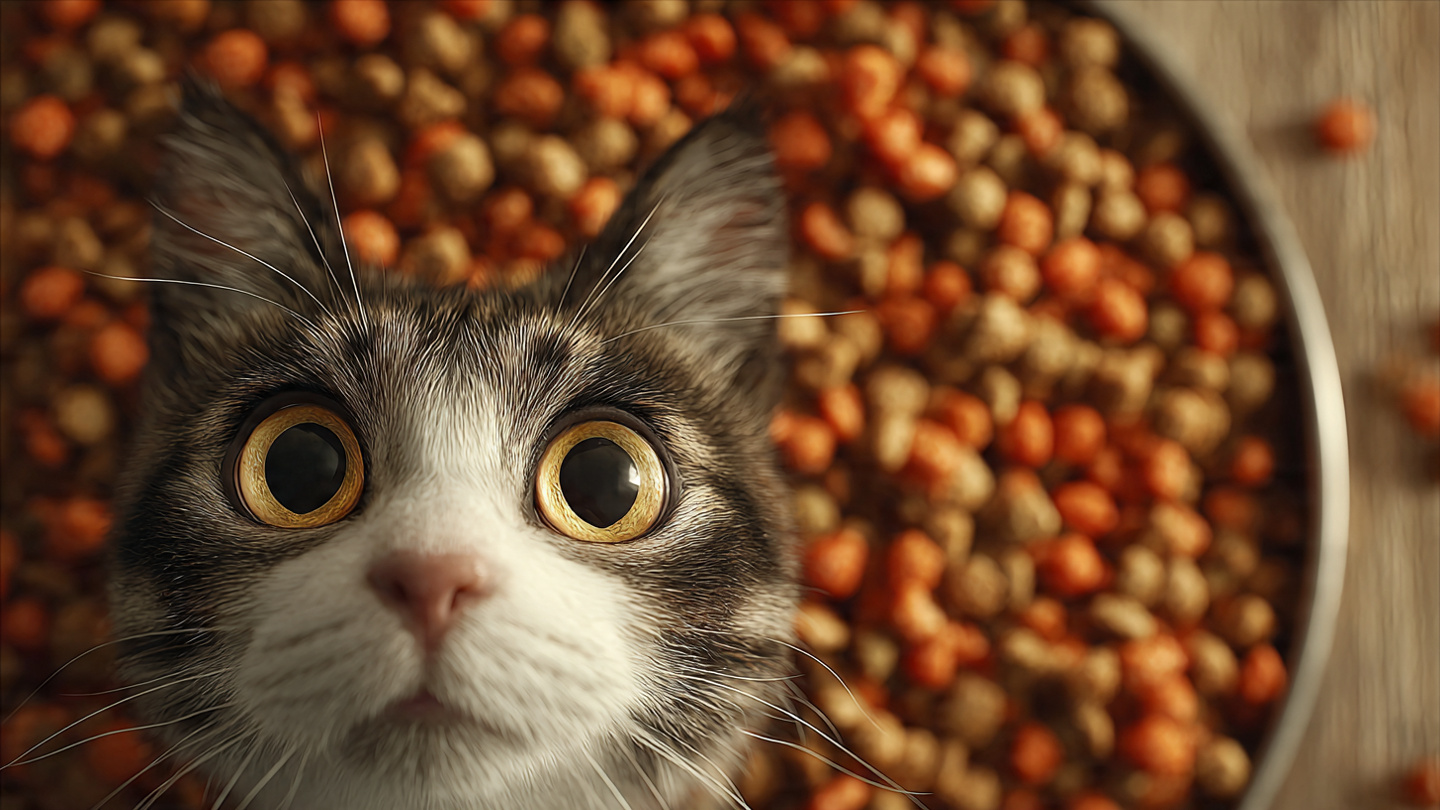
You place the bowl down, and your cat reacts instantly. Sometimes they walk over with interest and settle in to eat. Other times, they circle the bowl, pause, or wander off, only to return later. These small shifts are something most cat owners notice over time.
It’s easy to assume hunger alone drives these moments, but feeding is often more nuanced. Appetite can ebb and flow, and mood often shows up quietly during mealtime. Cats may seem relaxed one day and distant the next, even when their routine hasn’t changed.
Many owners begin to connect these patterns to food itself. Not just what’s in the bowl, but how it looks, smells, and feels. How cat food affects appetite and mood often reveals itself through these everyday observations.
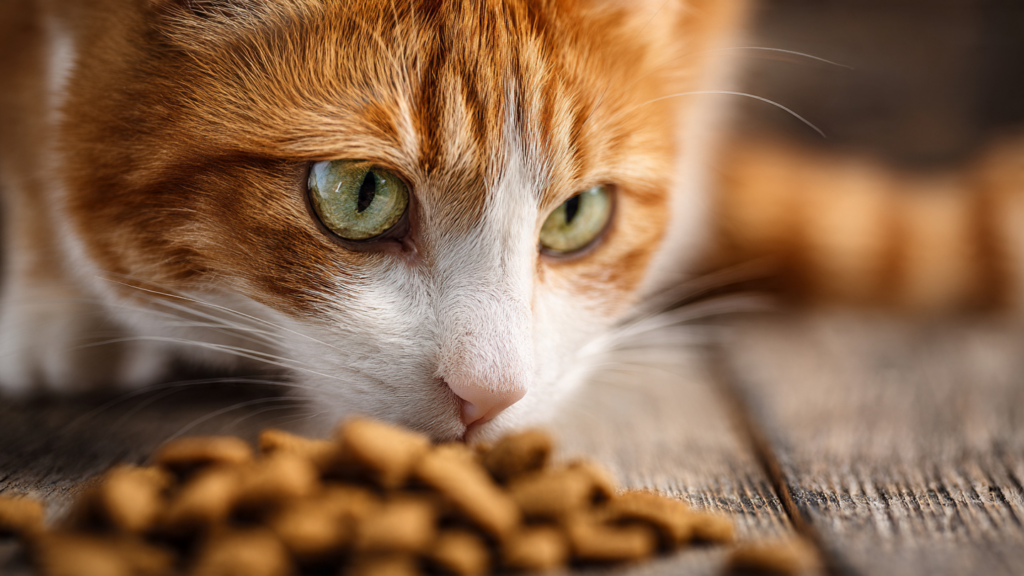
Mealtime is one of the most consistent touchpoints between cats and their humans. Because it happens daily, it becomes a mirror for how a cat is feeling in that moment.
✨ AI Insight:
As routines become easier to track over time, simple digital tools have helped people notice patterns between feeding habits and behavior without changing daily life.
Appetite Is More Than Hunger
A cat’s appetite isn’t always about needing food right away. It’s also shaped by comfort, familiarity, and interest.
Some meals invite immediate attention. Others lead to slower, more cautious approaches. These reactions don’t necessarily signal a problem. They’re often just reflections of how appealing the experience feels in that moment.
Cats tend to eat best when the feeding experience feels predictable and calm.
The Emotional Side of Eating
Food is closely tied to emotion for cats. A familiar meal can feel grounding, while a different experience may prompt curiosity or hesitation.
When cats feel settled, they often eat with steady focus. When they’re unsure or distracted, their appetite may soften. Owners often notice this connection without needing to analyze it.
Mood doesn’t always show up loudly. Sometimes it’s visible only in how a cat approaches their bowl.
Texture and Mood Signals
The physical feel of food can subtly influence how a cat feels during mealtime. Some textures seem to encourage calm engagement, while others spark playful or cautious behavior.
A cat might linger over one meal and rush through another. These differences often reflect how the texture aligns with their expectations and comfort.
Over time, owners may notice that certain textures seem to pair naturally with relaxed moods.
Smell and Anticipation
Before a cat eats, they experience the meal through scent. This moment of anticipation can shape both appetite and mood.
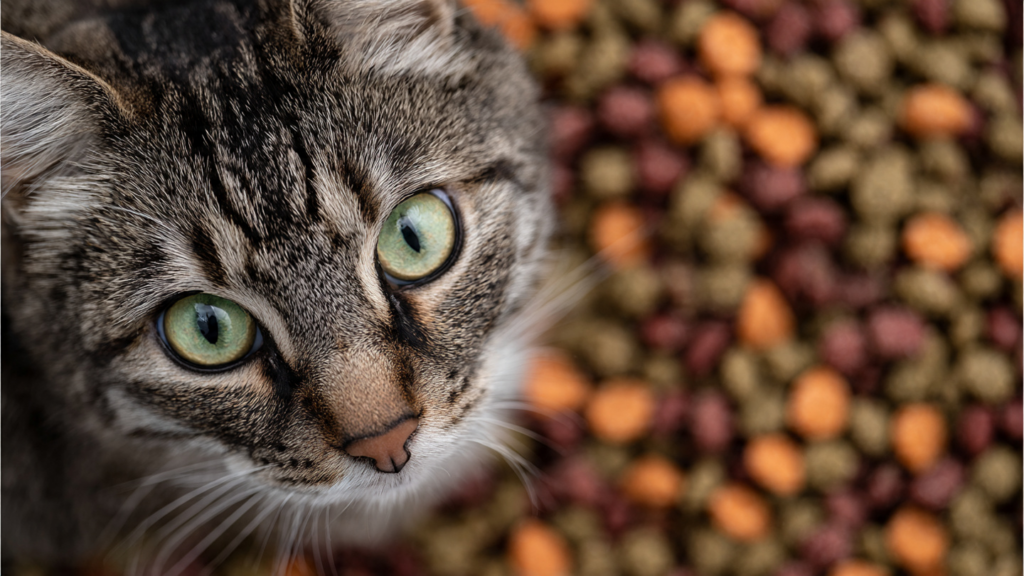
When a smell feels familiar, cats often appear confident and relaxed. New or unexpected scents may slow the process, leading to inspection rather than immediate eating.
This pause isn’t rejection. It’s simply a cat gathering information.
Routine Creates Emotional Stability
Cats thrive on routine, and feeding times are a core part of that structure. When food fits smoothly into a predictable schedule, appetite often feels more consistent.
Regular patterns help cats know what to expect. This sense of control supports calm behavior and steady interest in food.
Disruptions don’t always cause visible stress, but they can subtly influence mood around meals.
How Owners Pick Up on Mood Shifts
Cat owners are often the first to notice small changes. A slower pace, less enthusiasm, or a different posture during eating can all hint at a shift in mood.
Because feeding happens every day, it becomes an easy reference point. Owners don’t need to interpret deeply. Simply noticing patterns over time builds understanding.
These observations help create a more intuitive feeding relationship.
Appetite Can Fluctuate Naturally
Just like people, cats don’t feel the same every day. Appetite can vary without meaning anything significant.
Some days a cat eats eagerly. Other days they snack slowly or take breaks. These changes are often tied to mood, energy, or interest rather than hunger alone.
Recognizing this variability helps owners stay relaxed and attentive without worry.
Food as a Daily Comfort
For many cats, food is a moment of reassurance. It marks time and signals stability.
When the experience feels familiar, cats often appear calmer afterward. They may settle into rest or quiet activity, suggesting that the meal contributed to emotional balance.
These small moments add up to a sense of well-being woven into daily life.
Creating a Calm Feeding Atmosphere
The environment around feeding can reinforce how food affects mood. Quiet spaces, familiar bowls, and consistent timing all support a positive experience.
When appetite and mood align, mealtime feels smooth and unremarkable in the best way. There’s less hesitation and more quiet focus.
Cats often respond well to this steady rhythm.
Understanding Without Overthinking
It’s tempting to analyze every reaction, but appetite and mood don’t need constant interpretation. Cats communicate subtly, and patterns become clear with time.
Observing without pressure allows owners to respond gently rather than react quickly.
This balance keeps feeding routines relaxed.
A Thoughtful Takeaway
Food influences more than hunger for cats. It shapes daily rhythms, emotional comfort, and subtle mood shifts that owners notice over time.
Understanding how cat food affects appetite and mood doesn’t require expertise, only attention and familiarity. When feeding feels calm and consistent, it supports not just eating, but the quiet connection shared between cats and the people who care for them.