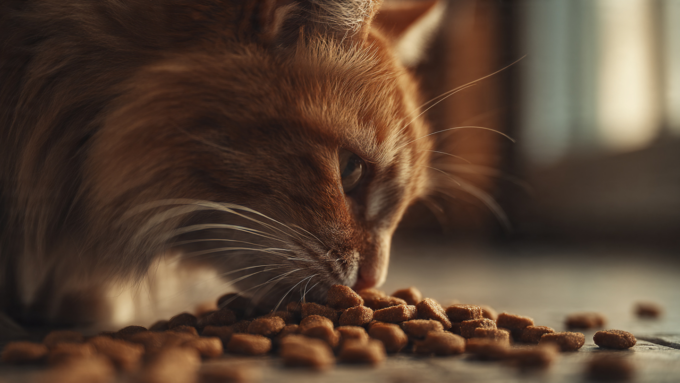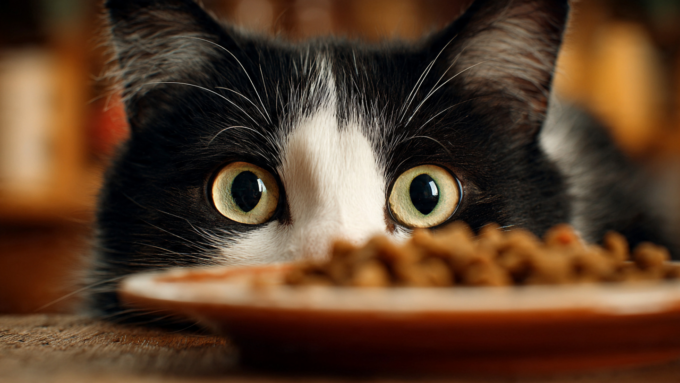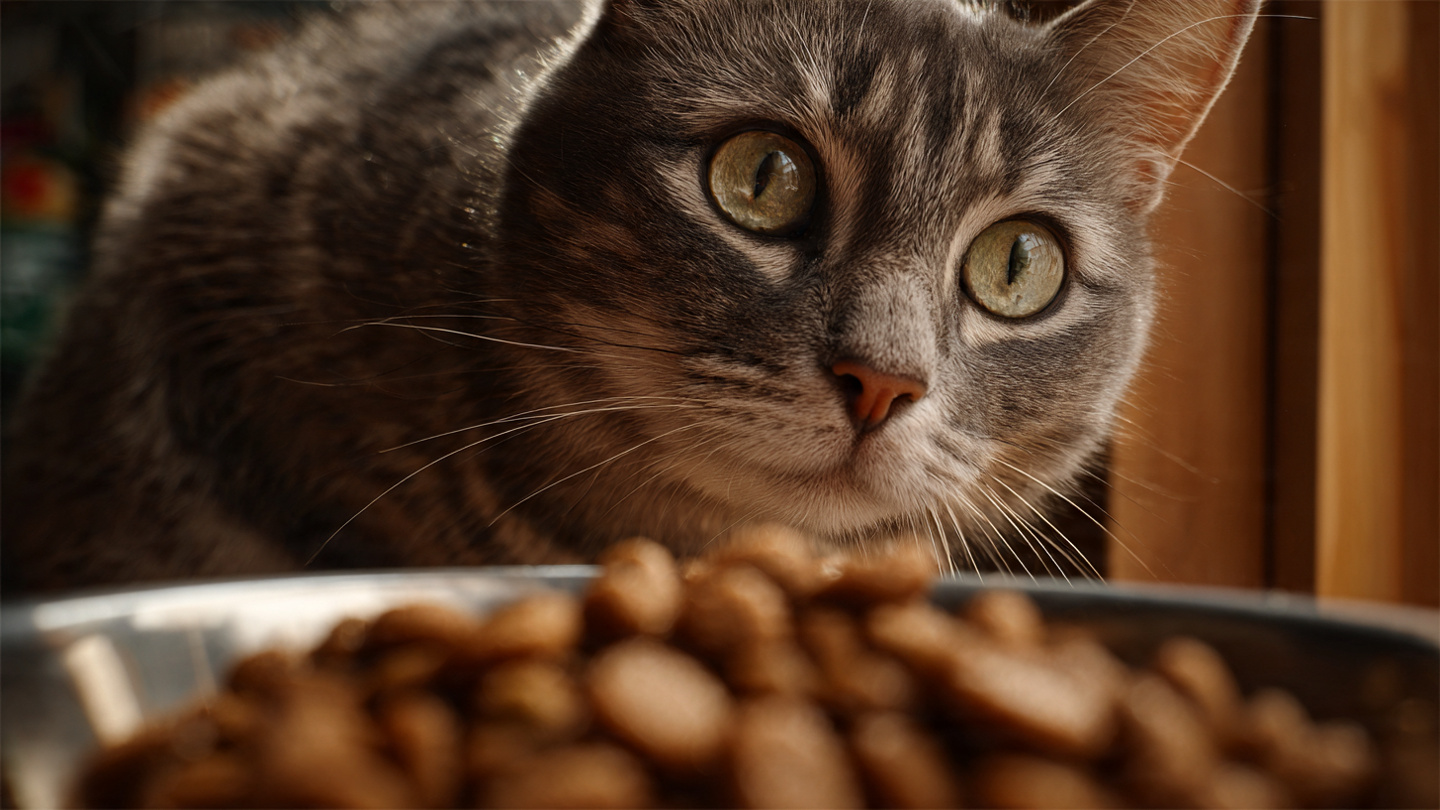
You place the bowl down like usual, but your cat doesn’t react the way you expect. Instead of eating right away, they pause, sniff carefully, and look up at you before taking a tentative bite. The routine feels familiar, yet slightly altered.
Many cat owners recognize this moment. Introducing a new diet often brings subtle changes that are easy to notice because feeding is such a consistent part of daily life. Even when everything else stays the same, the bowl can suddenly feel different.
Cats don’t rush into change. They tend to approach new experiences thoughtfully, especially when it comes to food. Their reactions are rarely dramatic, but they are deliberate.
How cats adjust to new diets usually unfolds slowly, through small behaviors that owners observe over several meals rather than a single moment.

✨ AI Insight:
As daily routines have become easier to organize and reflect on, quiet technology has helped people notice gradual adjustment patterns, like how pets respond to change over time.
Adjustment Often Starts With Observation
When cats encounter a new diet, their first response is often careful observation. They sniff longer, pause more frequently, and take their time deciding how to engage.
This isn’t hesitation in a negative sense. It’s how cats gather information. Food is a sensory experience, and cats rely on scent, appearance, and texture before fully committing.
Owners often notice this phase because it slightly disrupts an otherwise predictable routine.
Early Meals May Feel Slower
One common change owners notice is pacing. Cats may eat more slowly at first, taking breaks between bites or stepping away and returning.
This slower rhythm is part of adjustment. The cat is processing something new while still relying on familiar surroundings for reassurance.
Over several meals, this pacing often becomes more consistent as the experience becomes familiar.
Familiar Routines Offer Stability
Even when the food changes, everything else around the meal often stays the same. The bowl, the location, and the timing all provide a sense of continuity.
Cats lean heavily on these familiar elements. They help anchor the new experience within an established routine.
Owners may notice that when the surrounding routine stays steady, adjustment feels smoother and less noticeable.
Small Preferences Begin to Show
As cats continue adjusting, subtle preferences often emerge. Owners might notice that their cat eats certain portions first or interacts with the bowl differently.
These behaviors are part of exploration. The cat is learning how the new diet fits into their expectations.
Over time, these patterns tend to settle into a recognizable rhythm.
Changes in Approach Behavior
How a cat approaches the bowl can change during adjustment. Some cats walk straight up but hesitate before eating. Others circle the bowl more than usual.
These movements are quiet signals of curiosity and evaluation. Because owners see them daily, even small differences stand out clearly.
Once the diet feels familiar, approach behavior often returns to a calmer, more direct pattern.
Appetite Can Fluctuate Slightly
During adjustment, appetite may feel inconsistent. Some meals are finished completely, while others are eaten more slowly or partially.
These fluctuations are usually temporary. They reflect interest and comfort rather than anything dramatic.
Owners who watch patterns over several days often see appetite stabilize naturally.

Body Language Tells the Story
Cats communicate a lot through posture. During diet changes, owners may notice more pauses, head tilts, or repositioning while eating.
As familiarity grows, body language often becomes more relaxed. The cat settles into a comfortable position and eats with fewer interruptions.
These shifts happen gradually and quietly.
Adjustment Is Rarely Linear
Cats don’t always adjust in a straight line. One day may feel completely normal, while the next feels slightly different again.
This back-and-forth is part of how cats process change. They reassess experiences multiple times before fully accepting them.
Recognizing this pattern helps owners stay patient and relaxed.
Owners Adjust Alongside Their Cats
As cats adapt, owners do too. Serving, observing, and responding becomes easier as new routines settle in.
What felt unfamiliar at first slowly becomes the new normal. Owners often realize one day that feeding feels effortless again.
This shared adjustment strengthens the sense of rhythm in daily life.
Familiarity Builds Confidence
With repetition, new diets often stop feeling new. The scent becomes recognizable. The texture feels expected.
Confidence shows up in how quickly a cat approaches the bowl and how steadily they eat. The pauses shorten. The routine smooths out.
This confidence is one of the clearest signs that adjustment is underway.
Quiet Acceptance Over Time
Cats rarely signal acceptance loudly. Instead, it appears as calm consistency.
The bowl goes down. The cat eats. The moment passes without hesitation or inspection.
Owners often realize adjustment has happened only in hindsight, when feeding feels uneventful again.
Why Patience Matters
Adjustment takes time, and that time looks different for every cat. Some adapt quickly, others more gradually.
Patience allows cats to move at their own pace without pressure. Observation replaces reaction, and routine provides reassurance.
This calm approach supports smoother transitions.
Understanding Without Overanalyzing
It’s natural to wonder what each small change means, but most adjustments don’t require interpretation.
Cats explore change through repetition. Owners who focus on patterns rather than single moments often feel more at ease.
Understanding grows quietly, alongside routine.
Respecting Individual Adjustment Styles
Every cat adjusts differently. Some dive in confidently. Others proceed with caution.
Neither response is better or worse. They simply reflect personality and comfort with change.
Respecting these differences helps maintain a peaceful feeding environment.
A Thoughtful Takeaway
How cats adjust to new diets is usually a quiet process shaped by observation, repetition, and familiarity. Small pauses, slower pacing, and subtle behavior changes are all part of that journey.
By noticing patterns without pressure, owners allow adjustment to unfold naturally. Over time, new routines settle in, feeding feels calm again, and the shared rhythm between cat and owner continues with steady confidence.