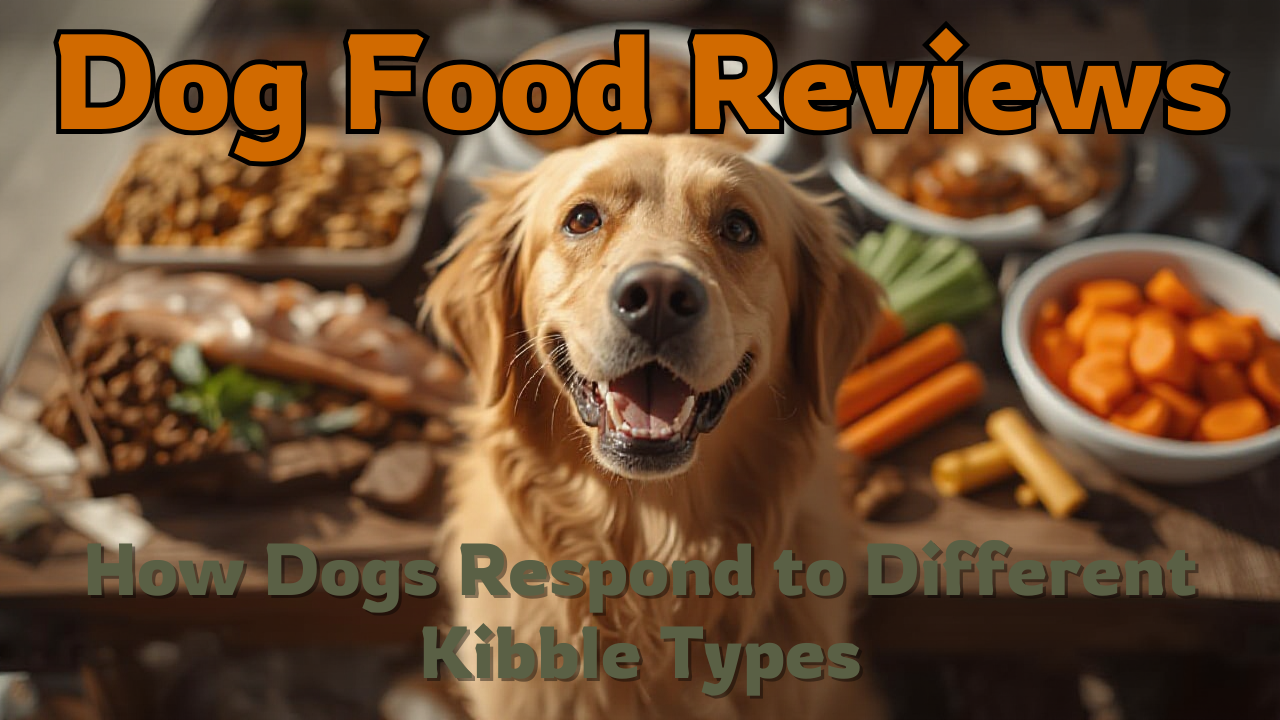
You pour a fresh bowl of food, and your dog reacts immediately—maybe with excited tail wags, maybe with a slow sniff and a cautious look, or maybe with a dramatic “I’ll eat this later” walk-away. Many dog owners notice that food isn’t just food to a dog. It’s a daily experience, and small differences can feel surprisingly important.
Some dogs eat anything with enthusiasm. Others are more selective. And sometimes a dog’s reaction changes depending on the day, their mood, or even what else is happening around them.
If you’ve ever wondered how dogs respond to different food types, you’re not alone. Here are some calm, everyday observations owners often share—focused on what people notice over time, without overanalyzing it.
The First Reaction Is Often About Smell
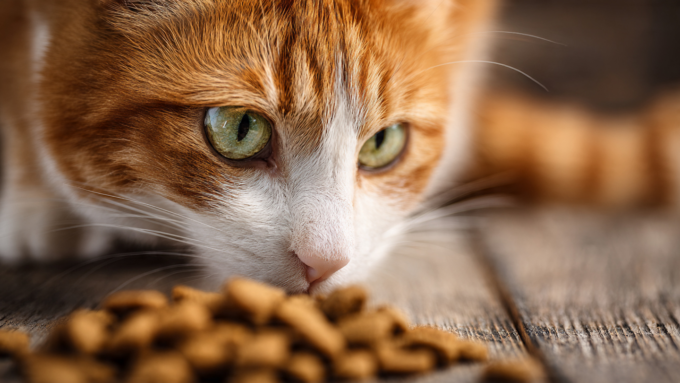
Before a dog even takes a bite, they usually react to scent.
Some food types have stronger aromas than others, and many owners notice that smell alone can change how quickly their dog approaches the bowl. A dog might:
- Walk over immediately and start eating
- Sniff for a while before taking the first bite
- Pick up a piece and move it elsewhere
- Pause and look back at their owner
This isn’t always about “liking” or “disliking” something. Dogs use scent to understand what’s new, and even familiar foods can smell different depending on freshness or storage.
Texture Can Change Everything
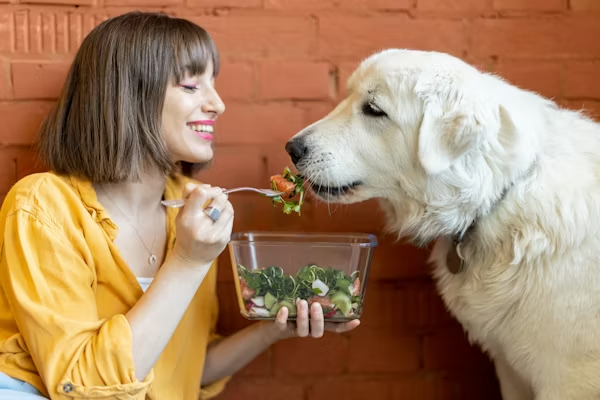
One of the most noticeable differences between food types is texture.
Some dogs crunch kibble happily. Others seem to prefer softer bites. Owners often notice different behaviors depending on whether the food is:
- Dry and crunchy
- Soft and moist
- Chunky or smooth
- Mixed with toppers or add-ins
A dog might eat faster when the texture feels easy, or slow down when the food feels unfamiliar. Some dogs even sort pieces—eating certain bits first and leaving others behind.
Over time, many owners realize that texture is one of the biggest reasons dogs respond differently.
Some Dogs Eat Faster With Certain Foods
Speed is another pattern owners often watch.
After switching food type, some dogs begin eating more quickly, as if the bowl suddenly became more exciting. Others take longer, pausing between bites or walking away and returning later.
Many owners say speed is one of the clearest signals of a dog’s interest. It’s not a strict rule, but it’s a common observation—especially when comparing crunchy kibble to something softer or more aromatic.
Novelty Can Make a Food Feel More Interesting
Dogs can get used to routines quickly, and some owners notice that a new food type creates a temporary boost in excitement.
A dog might act especially eager during the first few days of a change:
- Waiting by the bowl
- Following the owner into the kitchen
- Eating the full portion faster than usual
Then, once the novelty fades, they may return to a more normal pace. This doesn’t mean anything negative—it’s simply how many dogs react to changes in routine.
Mixed Meals Often Get a Strong Response
Many owners experiment with combining food types—like mixing wet and dry, or adding a small topper.
Some dogs respond strongly to mixed meals, often sniffing more enthusiastically or finishing more quickly. Owners sometimes notice their dog seems more engaged with the bowl when there’s variety in scent and texture.
It’s also common for dogs to “hunt” for the most interesting pieces first, leaving the plain parts behind. That behavior alone can show how much dogs notice differences within the same bowl.
Water Intake Sometimes Shifts
One small but interesting thing owners mention is that water habits can change depending on food type.
Dry foods often lead to more drinking during or after meals, while softer foods may not trigger the same pattern. This isn’t always dramatic, but it’s one of those everyday observations people notice once they start paying attention.
Many owners find it’s less about the food being “better” and more about how a dog’s routine adapts to what’s in the bowl.
Dogs Sometimes React to Temperature
Not all food is served the same way.
Some owners notice their dog responds differently if food is:
- Served straight from the fridge
- Warmed slightly
- Mixed with warm water
- Left at room temperature
Even small temperature shifts can change aroma, and aroma plays a big role in how dogs approach food. This is why some dogs seem more interested in a meal when it smells stronger, even if the ingredients are similar.
Routine Matters as Much as Food Type
Sometimes what looks like a food preference is actually a routine preference.
Dogs often respond to the entire mealtime pattern:
- When they’re fed
- Where they eat
- Whether the house is quiet
- Whether their owner is nearby
That’s why a dog might eat well one day and seem less interested the next—even with the same food type. Many owners find it helpful to remember that dogs are responding to the whole environment, not only the bowl.
Some Dogs Are “Fast Adjusters,” Others Are Not
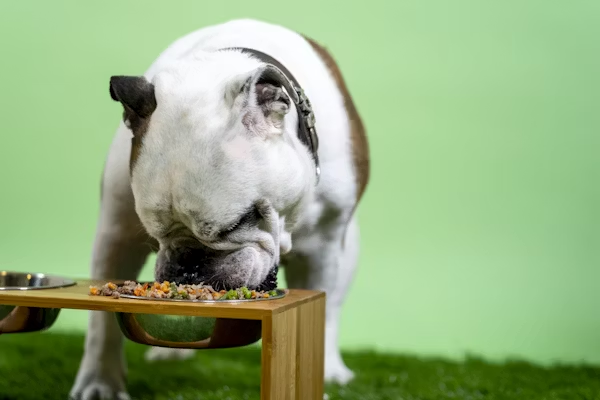
One of the most common things people notice when exploring how dogs respond to different food types is how quickly their dog adapts.
Some dogs accept a change immediately and never look back. Others take time to get comfortable with new smells and textures. A few dogs act unsure at first, then suddenly decide the new food is great.
This difference is normal. Dogs have individual personalities, and food is one of those daily experiences where personality tends to show up clearly.
Owners Often Notice Body Language First
Dogs may not speak, but they communicate clearly when it comes to food.
Owners often notice signals like:
- Tail wagging near the bowl
- Eager pacing or sitting politely
- Sniffing and stepping back
- Picking up pieces and dropping them
- Looking at the owner as if asking a question
These behaviors don’t always mean something “big.” Often, they simply show curiosity, uncertainty, excitement, or routine.
A Calm Takeaway
So, how dogs respond to different food types usually comes down to simple, noticeable factors: smell, texture, temperature, and routine. Some dogs become more excited, some become more selective, and many show different patterns depending on the day.
Over time, a lot of owners discover that food isn’t just about eating—it’s part of a dog’s daily rhythm. And watching those small reactions can be one of the easiest ways to learn more about your dog’s preferences and personality, one meal at a time.
Ai Insights: Over time, many owners notice that a dog’s response to food often shows up first in small cues—like how quickly they approach the bowl, how they handle different textures, and whether mealtime feels like an easy routine or a moment of hesitation.