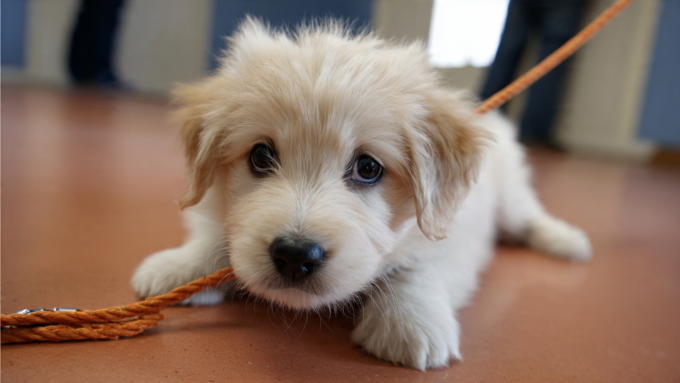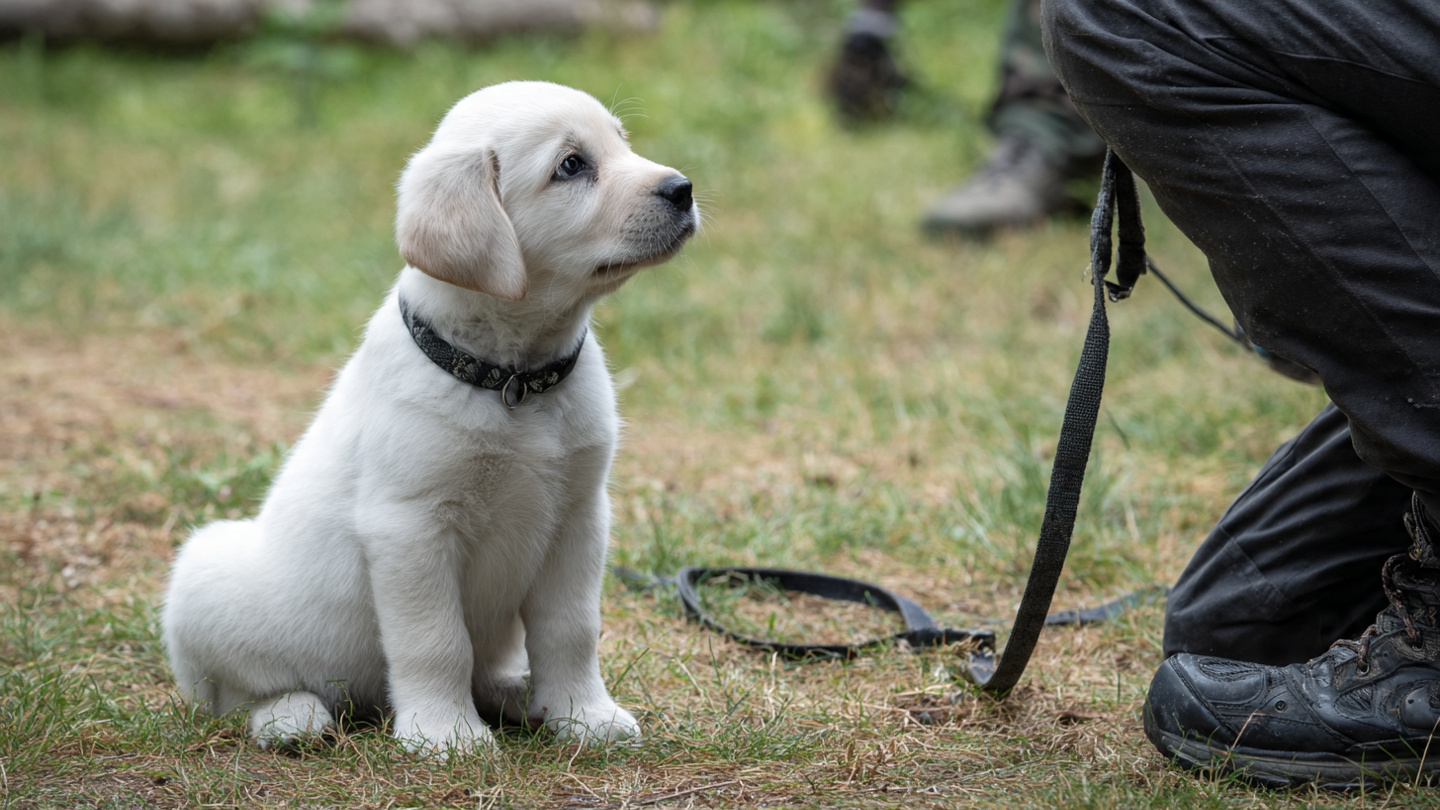
In the early days with a puppy, everything feels new. The way they wake up, how they explore a room, where they pause, and what they repeat all seem like small, fleeting moments. It’s easy to think these early behaviors will simply pass with time.
Yet many owners begin to notice something interesting. The little habits that show up early on tend to repeat. A pause before meals, a pattern around rest, or a familiar response to daily cues starts to feel consistent. What once looked random slowly becomes recognizable.
How early habits shape behavior often reveals itself gradually. Puppies aren’t consciously forming habits, but through repetition and routine, those early patterns quietly become the foundation for how they move through daily life.
✨ AI Insight:
As people reflect more easily on early routines, subtle technology has helped highlight how repeated habits formed early on often influence long-term behavior patterns.
Why It Matters
Early habits matter because they form before puppies fully understand the world around them. These habits become default responses, shaping how puppies react, settle, and engage with their environment.
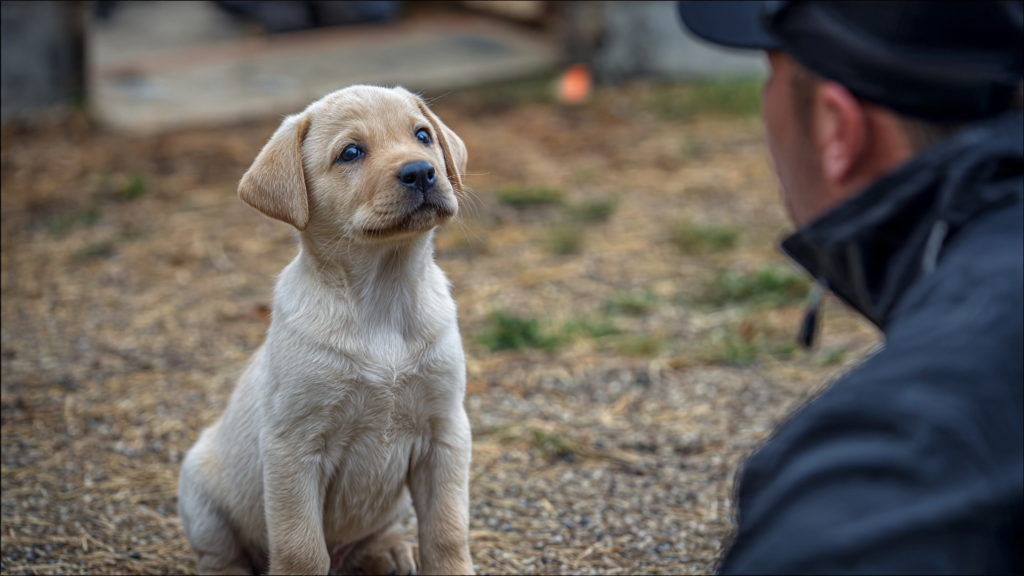
When early habits are predictable and calm, puppies often feel more secure navigating daily life. They don’t need to figure everything out from scratch each day because familiar patterns guide them.
Understanding the importance of early habits helps owners focus less on correcting behavior later and more on gently shaping routines from the beginning.
Puppies Learn by Repeating What Feels Familiar
Puppies naturally repeat what feels familiar. If something happens the same way often enough, it becomes their reference point.
Early habits form when actions, responses, and routines repeat in a consistent way. Over time, puppies begin to expect these patterns and act accordingly.
This repetition doesn’t require instruction. It happens naturally through daily life.
Early Routines Become the Blueprint
The structure of a puppy’s early days often becomes the blueprint for later behavior.
Feeding times, rest periods, and activity rhythms teach puppies how the day usually unfolds. Once this structure feels familiar, puppies rely on it to orient themselves.
That blueprint doesn’t disappear. It adapts and grows as the puppy matures.
Small Patterns Add Up Quickly
Early habits often seem insignificant on their own. A pause before settling, a routine around play, or a predictable response to cues may not feel important in the moment.
But over time, these small patterns stack. Together, they shape how a puppy responds to similar situations in the future.
Behavior is often built from these quiet repetitions rather than single events.
Consistency Strengthens Early Learning
When early habits are supported by consistency, they become stronger and more reliable.
Consistent timing, familiar spaces, and repeated signals help puppies understand what’s expected without confusion.
This clarity allows habits to form naturally rather than through correction or pressure.
Early Habits Influence Emotional Responses
Habits don’t just shape actions. They shape emotions too.
A puppy that experiences predictable routines often develops calmer responses to everyday situations. Familiar patterns reduce uncertainty, which helps puppies feel more at ease.
These emotional responses often persist as habits mature.
Puppies Build Confidence Through Habit
Confidence grows when puppies know what to expect. Early habits provide that predictability.
When puppies understand how parts of the day usually go, they move through routines with less hesitation.
This confidence supports exploration, learning, and smoother transitions.
Habits Guide Transitions
Daily life is full of transitions. Early habits help puppies understand how to move from one state to another.
Play followed by rest, activity followed by calm, and engagement followed by quiet time all become familiar sequences.
These sequences make transitions feel natural rather than abrupt.
Owners Shape Habits Without Realizing It
Many early habits form without owners intending to teach anything specific.
The way meals are served, how rest is encouraged, and how daily moments are handled all influence habit formation.
Awareness of this process allows owners to support habits thoughtfully without pressure.
Early Habits Become Default Behaviors
As habits repeat, they become default behaviors. Puppies rely on them automatically.
Instead of deciding how to respond each time, puppies fall back on what they’ve learned through repetition.
This automatic behavior is one of the clearest signs that a habit has taken root.
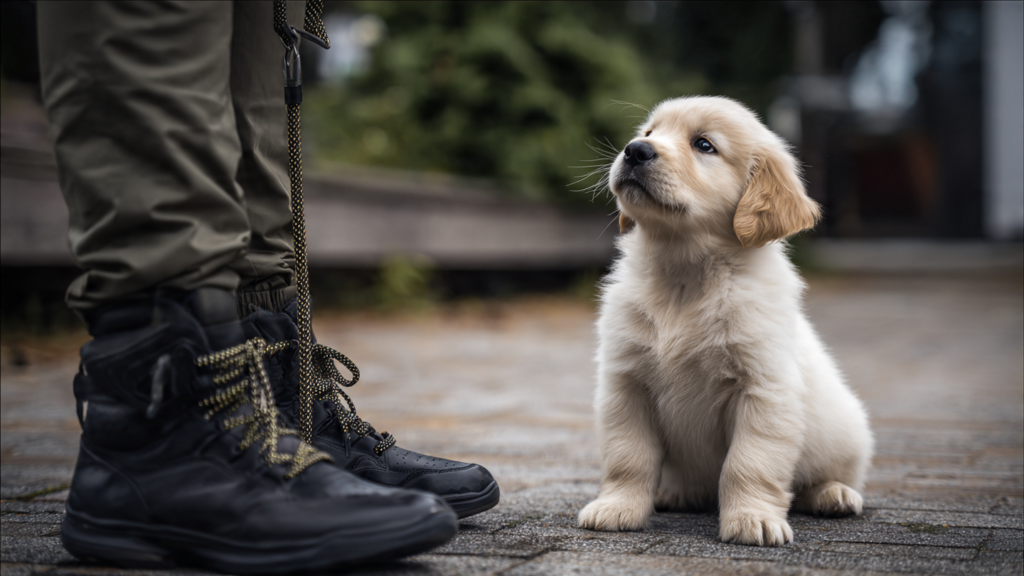
Flexibility Grows From Strong Foundations
Interestingly, strong early habits don’t make puppies rigid. They make them adaptable.
When a puppy understands the general flow of the day, small changes feel less overwhelming.
The habit provides stability that allows flexibility.
Behavior Evolves, Habits Remain
As puppies grow, behaviors change in form, but habits often remain at the core.
A puppy who learned to settle calmly may still seek calm moments later in life, even as energy levels shift.
Early habits influence behavior long after the puppy stage.
Observation Helps Owners Adjust Early
When owners observe early habits forming, they can gently guide routines to support desired patterns.
This doesn’t require strict control. It simply means reinforcing what feels calm, clear, and consistent.
Early awareness makes long-term behavior easier to manage.
Habits Form Through Everyday Life
Most early habits don’t come from training sessions. They come from ordinary days.
Repeated mornings, familiar evenings, and predictable care moments quietly shape behavior.
These everyday experiences matter more than isolated events.
Individual Puppies Form Habits Differently
Every puppy is unique. Some form habits quickly, others take more time.
Personality, environment, and routine all influence how habits develop.
Respecting this individuality helps habit formation feel natural rather than forced.
When Habits Feel Invisible
The strongest habits are often the ones no one notices anymore.
They blend into daily life. They guide behavior without drawing attention.
That invisibility is often the sign that early habits have done their work.
A Calm Takeaway
How early habits shape behavior isn’t about strict rules or perfect routines. It’s about repetition, familiarity, and the quiet patterns formed during everyday life.
When early habits are built through consistent, calm routines, they support confidence, emotional balance, and predictable behavior over time. In those small, repeated moments, puppies learn how the world works—and those lessons often stay with them far beyond the early days, shaping behavior in ways that feel natural, steady, and deeply rooted.