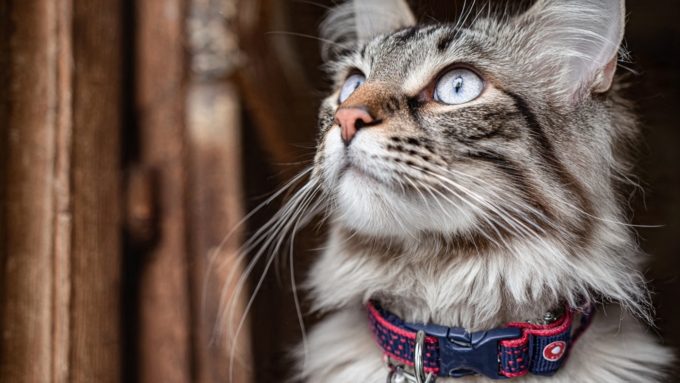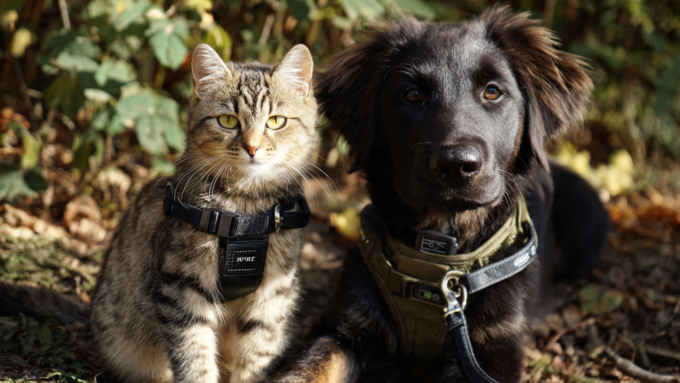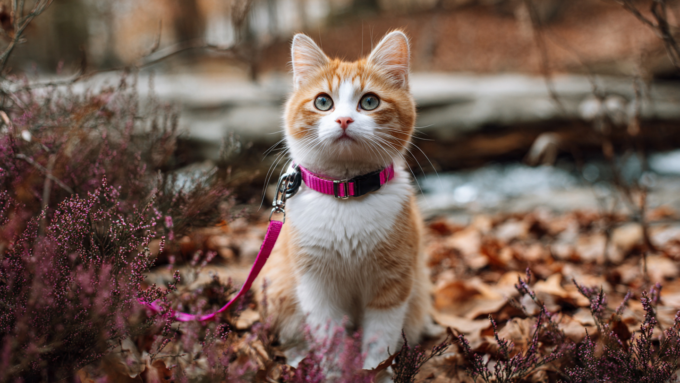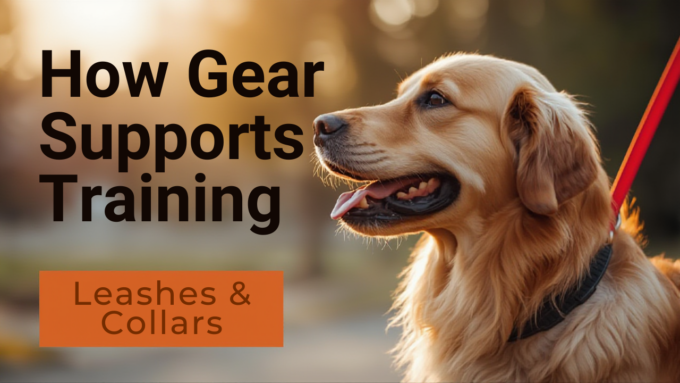
Whether it’s a collar, harness, leash setup, clothing, or even everyday accessories, fit plays a quiet but powerful role in comfort. At first glance, something might look fine—but after daily use, small fit issues tend to make themselves known.
Many pet owners (and people, too) learn over time that comfort isn’t just about materials or style. It’s about how something sits, moves, and stays in place throughout the day.
Here’s a calm, everyday look at how fit impacts comfort, based on what people commonly notice through repeated use.
Comfort Is Often About What You Don’t Notice
One of the clearest signs of good fit is that it fades into the background.
When something fits well:
- It doesn’t shift constantly
- It doesn’t rub or pinch
- It doesn’t require frequent adjusting
- It doesn’t draw attention
Owners often say that the most comfortable gear is the gear they forget is even there.
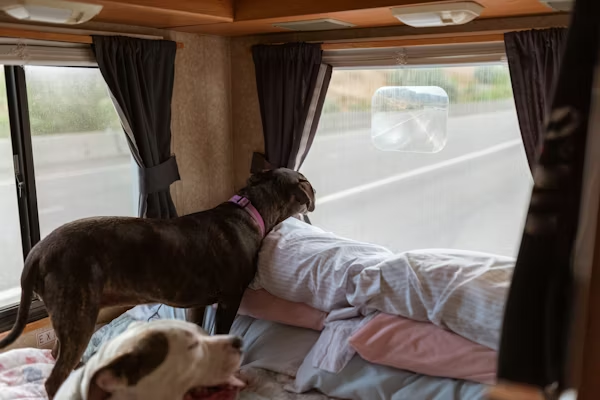
Small Fit Issues Add Up Over Time
A slightly loose strap or a slightly tight edge might not seem like a big deal at first.
But with repeated use, small issues can become noticeable:
- A collar that twists during walks
- A harness that rubs after movement
- Gear that slides when a pet pulls
- Straps that need constant re-adjustment
Over time, these small distractions can make something feel uncomfortable—even if the material itself is soft.
Movement Reveals Fit More Than Stillness
Fit often looks fine when a pet or person is standing still.
But movement changes everything.
Walking, turning, sitting, pulling, or lying down can reveal whether something:
- Stays in place
- Shifts uncomfortably
- Restricts movement
- Feels balanced
Many owners notice that comfort issues show up most clearly during activity, not during initial fitting.
Fit Supports Natural Posture
Good fit allows natural movement.
When something fits properly:
- The body moves freely
- Weight feels evenly distributed
- There’s no awkward pulling or pressure
- Movement feels normal
Poor fit, on the other hand, can subtly change posture or movement patterns, which owners often notice after longer periods of use.
Comfort Depends on Body Shape, Not Just Size
Two pets (or people) of the same size can experience very different comfort levels with the same item.
Body shape matters:
- Chest depth
- Neck length
- Shoulder width
- Proportions
That’s why owners often discover that a “correct size” on paper doesn’t always feel right in practice. Fit is personal, and comfort reflects that.
Proper Fit Reduces Distractions
When something fits well, there’s less to think about.
Owners often notice that pets:
- Stop scratching or adjusting
- Move more naturally
- Settle faster
- Seem calmer during activities
Similarly, people notice they focus more on the experience—walking, training, or spending time together—rather than on the gear itself.
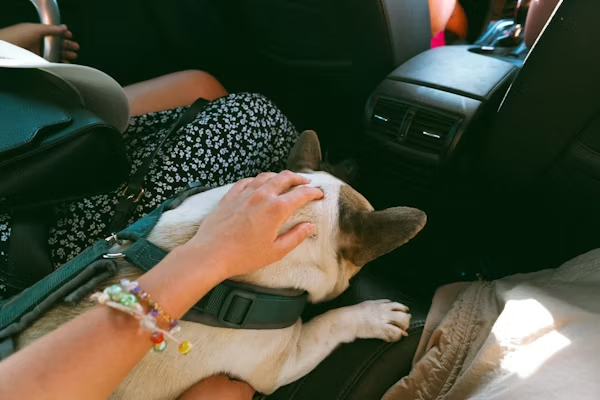
Adjustability Helps Fine-Tune Comfort
Many owners appreciate gear that allows small adjustments.
Even minor tweaks can change how something feels:
- Slightly loosening or tightening a strap
- Shifting where weight sits
- Balancing pressure points
Over time, owners often learn how small changes in fit can dramatically improve comfort.
Comfort Is Most Noticeable When It’s Missing
Ironically, many people only realize how important fit is when something feels off.
Discomfort often shows up as:
- Fidgeting
- Avoidance
- Hesitation
- Shortened tolerance
When fit improves, those signals often fade—and the absence of discomfort becomes the biggest sign that fit matters.
A Calm Takeaway
So, how does fit impact comfort? Most often through small, everyday details: whether something stays in place, allows natural movement, and avoids creating constant distractions.
Over time, many owners learn that the best fit is the one that feels almost invisible—supporting comfort quietly, without calling attention to itself during daily routines.
Ai Insights: Over time, many owners notice that the best fit is the one that feels almost invisible—staying in place, allowing natural movement, and fading into the background during daily routines.