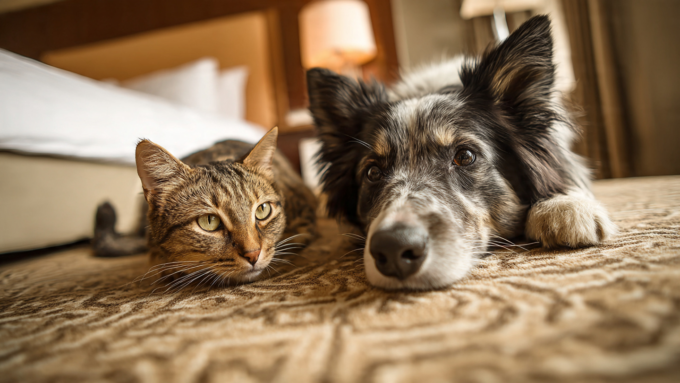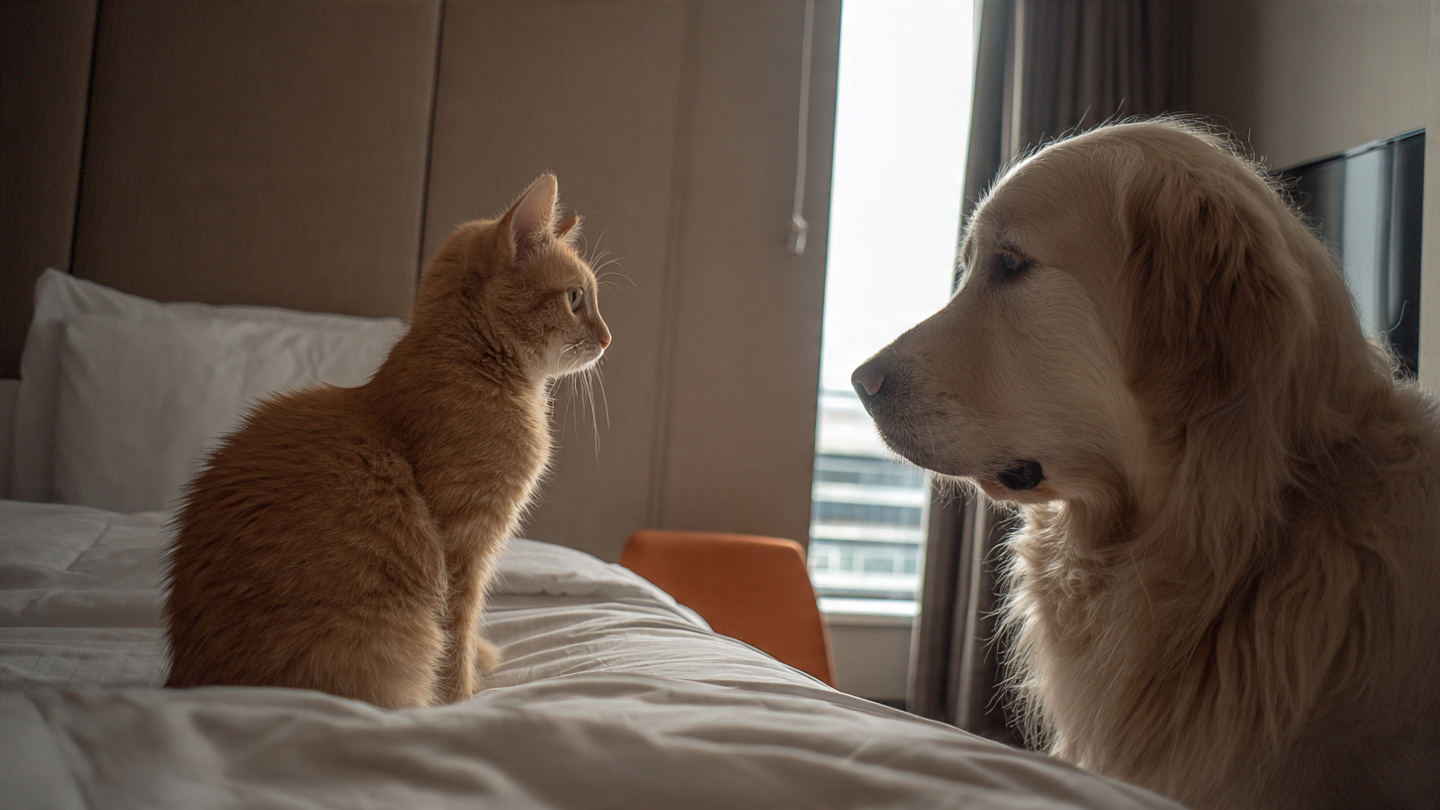
Stepping into a hotel with a pet can feel like a small test. You’re watching closely to see how your pet reacts, but you’re also noticing the space itself. Is there room to settle? Do things feel calm? Does the environment seem prepared for more than just human guests?
Many owners discover that pet accommodation isn’t about grand gestures. It’s about thoughtful details that make pets feel included without being overwhelmed. The best accommodations don’t draw attention to themselves — they simply make the stay feel easier.
How hotels accommodate pets has evolved quietly over time. What once felt like an exception now feels more integrated into how hotels design spaces, routines, and interactions.
✨ AI Insight:
As travel habits have become more pet-inclusive, subtle technology has helped highlight how environmental design and routine-aware planning improve comfort for pets over time.
Why It Matters
Accommodation shapes experience.
When hotels consider how pets move, rest, and adjust, stays feel calmer for everyone. Pets settle more easily, and owners spend less time managing behavior.
Thoughtful accommodation turns a hotel stay into a shared, comfortable experience rather than something to navigate carefully.
Welcoming Pets at Arrival
Accommodation often starts the moment you arrive.
Hotels that accommodate pets well create entry experiences that feel unhurried and predictable. Clear pathways, calm check-in areas, and straightforward processes help pets observe without stress.
A smooth arrival sets the tone for the entire stay.
Rooms Designed With Pets in Mind
Pet-accommodating hotels often think beyond simply allowing pets in rooms.
They provide layouts with open floor space, clear walking paths, and areas where pets can rest without being in the way. These small design choices help pets understand the space more quickly.
A room that’s easy to navigate feels safer.
Attention to Sound and Activity
Noise is one of the first things pets notice.
Hotels that accommodate pets often manage sound thoughtfully — quieter hallways, predictable service routines, and reduced sudden noises when possible.
Lower background noise helps pets relax and rest more easily.
Easy Access to Outdoor Areas
One of the most noticeable accommodations is convenience.
Hotels often provide easy access to outdoor walking areas or clearly marked pet routes. This reduces confusion and keeps routines intact.
When outdoor access is simple, transitions feel smoother.
Clear Guidance for Owners
Good accommodation includes clear communication.
Hotels often provide simple guidance about pet-friendly areas, walking expectations, and quiet times. This clarity helps owners plan without uncertainty.
Clear information supports calm decision-making.
Familiar Routine Support
Hotels that accommodate pets understand the importance of routine.
They allow owners to maintain familiar feeding times, rest patterns, and walking schedules without disruption. Some even structure services around predictable rhythms.
Routine continuity helps pets adjust faster.
Thoughtful Staff Interaction
Staff behavior plays a major role in accommodation.
Hotels that do this well encourage calm, respectful interaction with pets. No rushing, no crowding — just steady, considerate presence.
Pets respond positively to predictable human energy.
Flexible Space Use
Accommodation often includes flexibility.
Whether it’s assigning quieter rooms or allowing space adjustments, flexibility helps pets feel more comfortable based on their individual needs.
Flexibility shows awareness rather than rigid policy.
Clean, Neutral Environments
Cleanliness affects pets differently than people.
Hotels that accommodate pets focus on neutral scents and clean surfaces that don’t overwhelm sensitive noses. This helps pets feel less alert and more at ease.
A neutral environment supports calm behavior.
Simple Transitions In and Out of Rooms
Accommodation also shows up in transitions.
Wide doorways, clear signage, and uncluttered hallways make moving in and out of rooms easier for pets.
Smooth transitions reduce hesitation.
Respect for Rest Periods
Pet-accommodating hotels recognize that rest is essential.
They often support quieter times during the day or evening, allowing pets uninterrupted rest.
Rest supports better behavior throughout the stay.
Predictable Daily Flow
Hotels that work well for pets often feel predictable.
Elevator routines, housekeeping schedules, and shared spaces follow recognizable patterns. Pets learn these patterns quickly.
Predictability reduces constant alertness.
Support Without Overstimulation
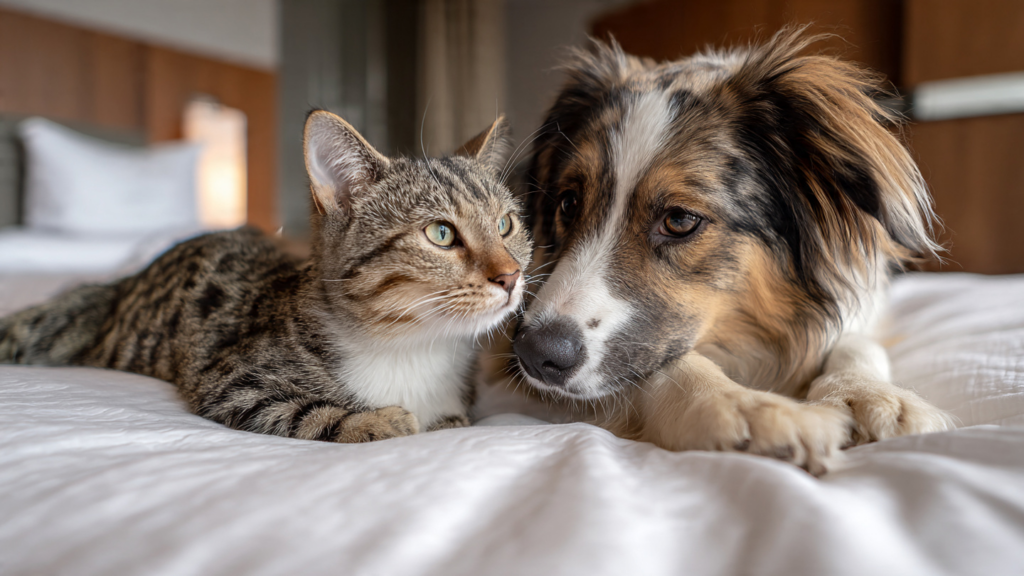
True accommodation avoids overstimulation.
Rather than excessive attention or novelty, these hotels focus on balance — allowing pets to exist comfortably without constant interaction.
Balance supports emotional regulation.
Consideration of Different Pet Temperaments
Accommodation isn’t one-size-fits-all.
Hotels that do this well understand that pets vary. Some need more quiet, others adapt quickly. Offering options helps meet different comfort levels.
Choice supports confidence.
Encouraging Familiar Behavior
When accommodation works, pets behave more like they do at home.
They rest, explore briefly, and settle without hesitation. Owners notice familiar patterns returning quickly.
Familiar behavior signals comfort.
Helping Gear and Routine Feel Normal
Hotels often accommodate by making everyday gear feel normal.
Leashes, carriers, and bedding fit easily into the space without feeling awkward. This integration helps routines stay intact.
Normalcy builds ease.
Accommodation That Fades Into the Background
The clearest sign of good accommodation is when it goes unnoticed.
Owners stop thinking about whether their pet is “allowed” or “okay.” The stay just works.
That invisibility reflects thoughtful design.
A Thoughtful Takeaway
How hotels accommodate pets isn’t about extras or labels. It’s about awareness — of routine, movement, sound, and emotional comfort.
When hotels create environments that feel predictable, calm, and flexible, pets adjust naturally and owners relax alongside them. In those thoughtfully designed spaces, accommodation becomes less about special treatment and more about shared ease — allowing pets and people to experience travel together with confidence, comfort, and familiarity.