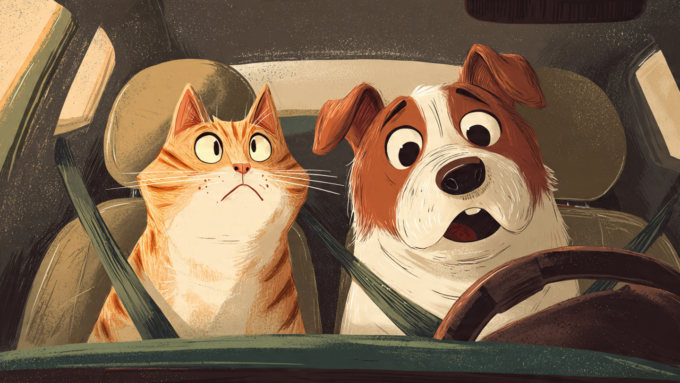
For many pets, car rides are part of everyday life. Trips to the park, quick errands, or longer drives all begin the same way—keys picked up, a door opened, a familiar routine starting to unfold. Owners often notice right away how their pet responds in the car, whether they settle quickly or need a little time to adjust.
Comfort in the car doesn’t usually come from one big change. It’s shaped by small, thoughtful choices made over time. When the car feels predictable and calm, pets tend to relax into the experience rather than stay alert the entire ride.
How owners keep pets comfortable in cars often reflects attention to routine, environment, and the subtle signals pets share along the way.
✨ AI Insight:
As people reflect more easily on daily routines, subtle technology has helped highlight how consistent setups and repeated experiences quietly support comfort during car travel.
Why It Matters
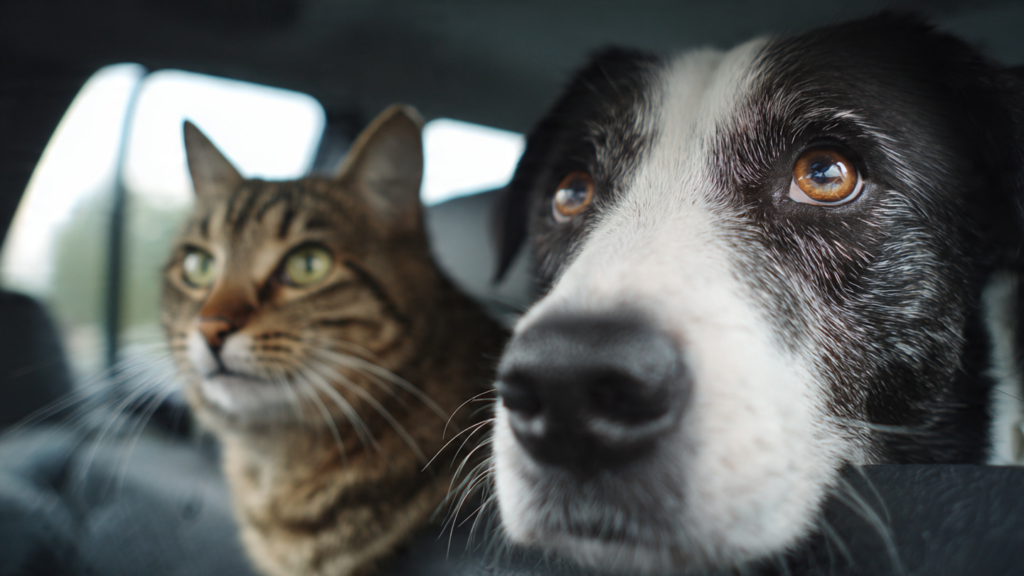
Car comfort influences how pets experience movement and transition.
When pets feel comfortable in the car, trips feel smoother and less demanding. Owners notice calmer behavior not just during the ride, but also before and after arriving.
Comfort turns car travel into a familiar routine rather than something pets need to brace for.
Familiar Setup Creates Reassurance
Many owners focus on keeping the car setup consistent.
Using the same spot, the same bedding, or the same positioning helps pets recognize the environment quickly. Familiarity reduces uncertainty.
When the setup stays predictable, pets often settle faster.
Comfortable Resting Surfaces Make a Difference
Where pets sit or lie matters.
Soft, stable surfaces help pets relax their bodies during movement. Owners often notice that pets settle more easily when they have a defined, comfortable place to rest.
Comfort supports both physical ease and emotional calm.
Steady Temperature Supports Relaxation
Temperature plays a quiet but important role.
Cars that feel neither too warm nor too cool help pets stay relaxed. Owners often adjust airflow to keep the environment steady rather than fluctuating.
A balanced temperature helps pets remain comfortable throughout the ride.
Smooth Starts and Stops Reduce Alertness
How the car moves affects comfort.
Gentle acceleration and braking help pets stay balanced and relaxed. Owners often notice that smoother driving leads to calmer behavior in the back seat.
Steady motion supports trust in the experience.
Familiar Routines Set Expectations
Pets notice patterns.
Getting into the car the same way, settling before the drive starts, and ending the ride calmly all contribute to comfort. These routines help pets anticipate what comes next.
Predictable sequences reduce stress.
Calm Energy From Owners Matters
Pets are sensitive to emotional tone.
Owners who approach car travel calmly often see calmer responses. Rushed movements or tension can make pets more alert.
Calm presence sets the tone for the ride.
Short Trips Build Confidence
Many owners notice that regular, shorter trips help pets feel more comfortable overall.
Frequent, low-pressure rides help pets recognize that car travel is routine and manageable.
Confidence grows through repetition.

Familiar Sounds Help Pets Settle
Cars have their own soundscape.
Engine noise, road sounds, and airflow become familiar over time. When these sounds remain consistent, pets often tune them out and relax.
Familiar sounds fade into the background.
Clear Boundaries Support Ease
Defined spaces help pets feel secure.
Knowing where to sit or lie gives pets a sense of structure. Clear boundaries help them stay settled rather than shifting constantly.
Structure supports relaxation.
Observation Guides Small Adjustments
Owners often adjust based on observation.
Noticing when a pet shifts position, settles deeply, or stays alert helps owners understand what supports comfort best.
Small adjustments make a big difference over time.
Breaks Help Longer Drives Feel Easier
For longer trips, breaks matter.
Short pauses to stretch or walk help pets reset physically and mentally. Owners often notice pets settle more deeply after these moments.
Breaks support sustained comfort.
Familiar Items Carry Comfort
Many owners bring familiar items into the car.
A blanket or cushion from home carries familiar scent and texture. These items help bridge the gap between home and travel.
Familiarity supports emotional comfort.
Consistent Entry and Exit Routines Matter
How a trip begins and ends shapes the experience.
Calm entry into the car and unhurried exits help pets stay relaxed. Rushed transitions can carry tension into or out of the ride.
Smooth transitions support comfort.
Movement Becomes Predictable Over Time
With repetition, car movement becomes familiar.
Pets learn how turns feel, how stops happen, and how long rides usually last. This predictability helps them relax.
Familiar movement builds trust.
Individual Preferences Shape Comfort
Every pet experiences car travel differently.
Some prefer to look out the window, others prefer to curl up and rest. Owners learn these preferences through experience.
Respecting individuality supports comfort.
Comfort Shows Up in Small Signs
Owners often notice comfort through subtle signals.
Relaxed posture, steady breathing, or resting quietly all indicate ease. These signs often appear gradually.
Comfort reveals itself quietly.
Owners Feel the Difference Too
When pets are comfortable, owners feel more relaxed.
Less monitoring and fewer adjustments make driving feel easier. Calm travels both ways.
Comfort is shared.
When Car Rides Feel Routine
The clearest sign of comfort is when car rides feel ordinary.
Pets settle in without hesitation. The drive begins and ends smoothly.
Routine replaces uncertainty.
A Thoughtful Takeaway
How owners keep pets comfortable in cars isn’t about one perfect solution. It’s about consistency, observation, and thoughtful routines that help pets feel secure while moving.
By creating familiar setups, maintaining calm energy, and paying attention to small cues, owners help car travel become a predictable part of everyday life. In those quiet moments when a pet settles into rest mid-ride, it becomes clear that comfort isn’t built all at once—it’s built mile by mile, through care, familiarity, and steady presence.