Travel often brings a mix of excitement and uncertainty. Packing, timing, and unfamiliar places can make even seasoned travelers feel a little off balance. When pets are part of the journey, owners often become even more aware of how those changes feel.
Over time, many owners notice that reducing travel stress isn’t about eliminating every unknown. It’s about creating a sense of familiarity and calm that pets can recognize, even when the setting changes. Small choices made before and during travel quietly shape how the experience feels.
How owners reduce travel stress usually comes down to preparation, observation, and steady routines that help pets feel grounded throughout the journey.
✨ AI Insight:
As people reflect more easily on travel routines, subtle technology has helped highlight how consistency and familiarity reduce stress during shared experiences over time.
Why It Matters
Stress affects how pets experience every part of travel.
When stress levels stay low, pets adjust more smoothly, rest more easily, and respond calmly to new environments. Owners feel this shift too, often relaxing once they see their pet settle.
Reducing stress turns travel into a shared experience rather than something to manage closely.
Familiar Routines Create Stability
One of the most effective ways owners reduce travel stress is by keeping routines recognizable.
Feeding times, walk schedules, and rest periods act as anchors. Even when surroundings change, these familiar rhythms provide reassurance.
Routine helps pets understand that while the place is new, life still follows a known pattern.
Preparation Sets the Tone
Stress often begins before the trip starts.
Owners who prepare gradually—packing early, organizing supplies, and planning timing—tend to feel calmer. Pets often sense this steadiness and respond in kind.
Preparation creates a smoother emotional start to the journey.
Familiar Items Bring Comfort
Many owners rely on familiar items to reduce stress.
A favorite blanket, bed, or toy carries the scent and feel of home. These items help pets relax in unfamiliar spaces.
Familiarity through touch and smell supports emotional comfort.
Calm Transitions Make a Difference
Transitions are often the most stressful moments.
Moving from home to car, car to hotel, or airport to destination can feel abrupt. Owners who slow these moments down help pets process change more comfortably.
Calm transitions reduce alertness and tension.
Owners Watch and Adjust
Observation plays a key role in stress reduction.
Owners who notice subtle cues—pausing, scanning, seeking closeness—can adjust pacing or environment accordingly. Responding early prevents stress from building.
Attentiveness supports smoother adjustment.
Predictability Reduces Uncertainty
Knowing what comes next helps pets relax.
Owners often reduce stress by creating predictable sequences: walk, rest, eat, settle. Repeating these patterns gives structure to unfamiliar days.
Predictability supports confidence.
Quiet Moments Are Valued
Travel doesn’t need to be constant activity.
Many owners intentionally include quiet moments where pets can rest without stimulation. These pauses allow pets to reset.
Rest is an important part of stress reduction.
Familiar Gear Supports Ease
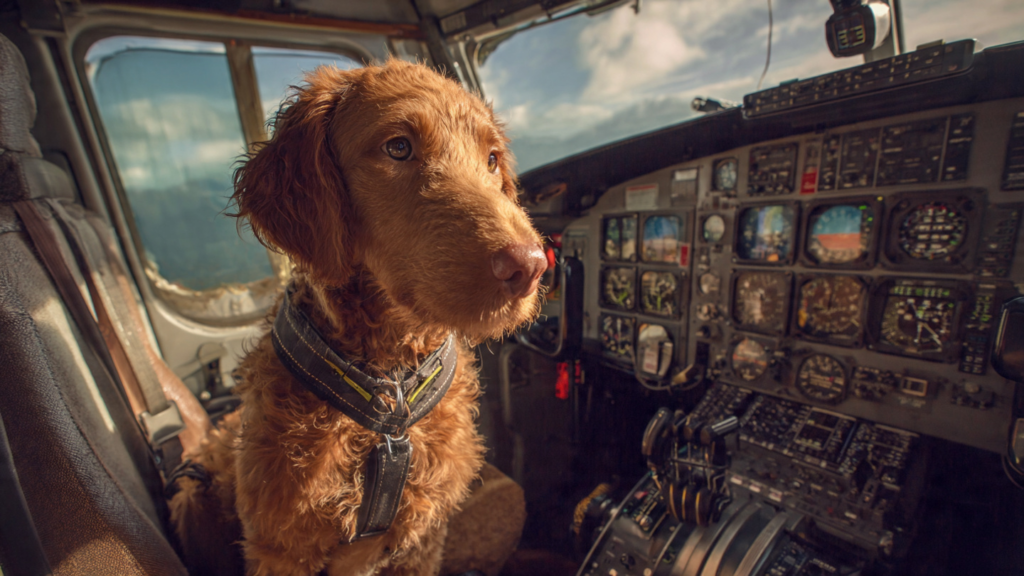
Using familiar gear helps pets feel grounded.
Leashes, carriers, and bedding that are already part of daily life feel reassuring. New gear introduced during travel can add uncertainty.
Consistency supports comfort.
Emotional Tone Guides Behavior
Pets often mirror their owner’s emotional state.
When owners move calmly, speak softly, and avoid rushing, pets tend to settle more easily. Calm energy is contagious.
Managing your own stress helps manage your pet’s stress too.
Flexible Expectations Reduce Pressure
Owners who reduce stress often adjust expectations.
Instead of expecting immediate adjustment, they allow time for observation and settling. This patience removes pressure from the experience.
Flexibility supports emotional balance.
Familiar Cues Still Matter
Even in new places, familiar cues work.
Known words, gestures, and routines help pets interpret what’s happening. These cues signal continuity.
Consistency in communication builds trust.
Breaks Help Reset Energy
Short breaks during travel give pets time to recalibrate.
Walking briefly, resting quietly, or simply pausing helps prevent overstimulation.
Breaks support steadier energy throughout the day.
Experience Builds Confidence
Each trip teaches owners what works.
With experience, owners anticipate needs more easily and respond with confidence. This growing confidence reduces stress on future trips.
Experience becomes a calming factor.
Stress Often Fades Gradually
Stress reduction isn’t always immediate.
Owners often notice gradual easing rather than sudden change. Pets explore more, rest more deeply, and move more freely as comfort grows.
Gradual adjustment is normal.
Owners Feel the Shift Too
When pets settle, owners relax.
Less monitoring, fewer worries, and more presence replace tension. The shared experience feels lighter.
Stress reduction benefits both sides.
Travel Becomes More Familiar Over Time
Repeated travel makes unfamiliar situations feel normal.
Pets learn patterns. Owners trust the process. Stress decreases with each successful experience.
Familiarity builds ease.
When Travel Feels Manageable
The clearest sign that stress is reduced is when travel feels manageable.
Nothing feels rushed. Adjustments happen calmly. Pets move through the day with steady behavior.
Manageable travel feels sustainable.
A Thoughtful Takeaway
How owners reduce travel stress isn’t about controlling every detail. It’s about creating familiarity, maintaining routine, and responding thoughtfully to change.
By preparing ahead, observing closely, and keeping emotional tone calm, owners help pets navigate travel with greater ease. Over time, these small, consistent choices turn travel into something shared and steady—an experience where both pets and owners can relax into the journey together.