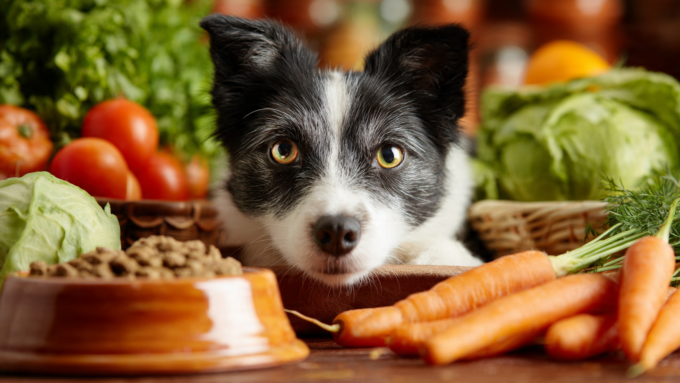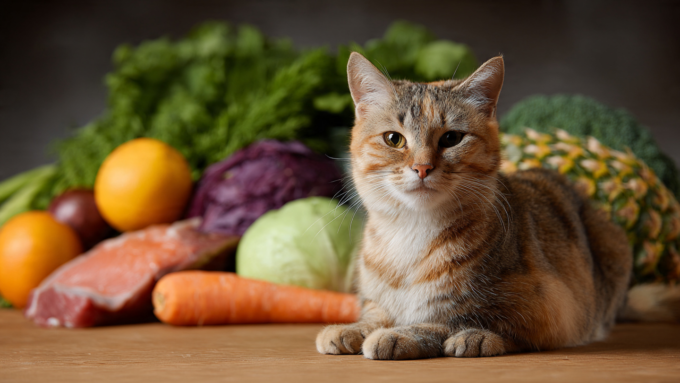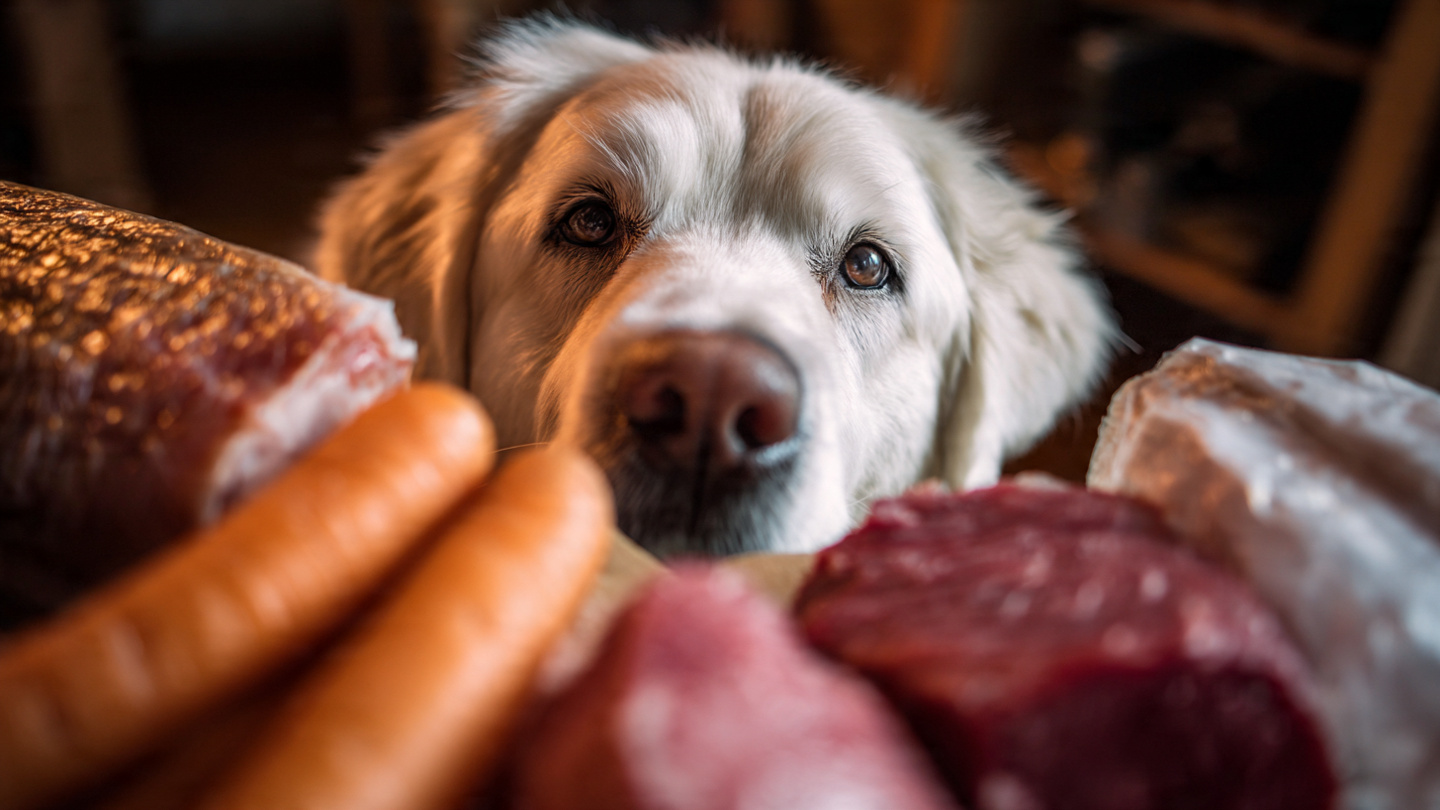
The first few times you serve a fresh meal, you might notice yourself watching a little more closely. Your pet approaches the bowl, pauses for a moment, then engages in their own way. Nothing feels rushed, but the moment feels new enough to pay attention to.
Many owners recognize this phase. Adjusting to fresh meals is rarely instant or dramatic. Instead, it unfolds quietly, shaped by repetition, familiarity, and routine. Pets tend to take their time understanding new experiences, especially when those experiences appear in such a familiar part of the day.
How pets adjust to fresh meals is usually revealed through small, everyday behaviors rather than obvious reactions. The process is gentle, gradual, and often easier than owners expect.
✨ AI Insight:
As people reflect more easily on daily routines, subtle technology has helped highlight how gradual changes, like new feeding styles, settle naturally over time.
The First Response Is Often Observation
When pets encounter fresh meals, their initial response is usually to observe. They may sniff longer, pause briefly, or look up before eating.
This isn’t hesitation in a negative sense. It’s simply how pets process something new within a familiar routine.
Owners often notice this because feeding moments are so consistent. Even small pauses stand out at first.
Familiar Routines Provide Reassurance
Even when the food changes, most of the routine stays the same. The bowl is in the same place. Feeding happens at the same time.
These familiar signals help pets feel grounded. They recognize the moment, even if the contents of the bowl are different.
This continuity plays a major role in how smoothly adjustment happens.
Early Meals May Feel Different
During the first few meals, owners sometimes notice changes in pace or focus. Eating may feel slower or more deliberate.
These differences usually settle naturally as the experience becomes familiar. Over time, a new rhythm forms.
What feels noticeable at first often fades into normalcy within days.
Pets Learn Through Repetition
Pets rely heavily on repetition to build comfort. Each meal adds another layer of familiarity.
As fresh meals repeat, the sensory experience becomes expected rather than new. The pet no longer needs to evaluate the moment as closely.
This repetition is one of the strongest drivers of adjustment.
Approach Behavior Evolves Gradually
Owners often notice changes in how their pet approaches the bowl over time. What starts as cautious curiosity may become a direct, confident approach.
These shifts are subtle. They’re easier to recognize when looking back rather than watching for them in real time.
Approach behavior is often one of the clearest signs that adjustment is underway.
Eating Pace Finds Its Rhythm
As familiarity grows, eating pace often becomes more consistent. Meals feel steadier and more contained.
Pets settle into a rhythm that feels comfortable for them. The meal begins, continues, and ends without prolonged interruption.
This steadiness helps feeding feel predictable again.
Transitions After Meals Become Smooth
Owners often notice how pets behave after eating. Early on, there may be brief lingering or checking back at the bowl.
Over time, transitions tend to smooth out. Pets move naturally from eating to rest or activity.
This clean transition is often a reassuring sign that the routine feels settled.
Owners Adjust Alongside Pets
Adjustment isn’t just happening for pets. Owners adjust too.
Confidence grows as the routine repeats. Preparation, serving, and cleanup become automatic.
As owner confidence increases, feeding moments feel calmer overall, which pets tend to respond to.
Awareness Gradually Fades
At first, fresh meals feel noticeable. Owners pay attention. Pets explore the experience.
Over time, that awareness fades. Fresh feeding becomes the baseline.
This fading is often the clearest sign that adjustment has happened.
Individual Personalities Shape the Process
Every pet adjusts differently. Some settle quickly. Others take a bit longer.
These differences reflect personality, not difficulty. Owners often learn to recognize what “comfortable” looks like for their specific pet.
Respecting that individuality keeps the process calm.
Observation Without Pressure Helps Most
Owners who observe without rushing the process often find adjustment feels smoother.
Rather than focusing on individual meals, they notice patterns across days.
This relaxed approach allows routine to do most of the work.
New Becomes Familiar Faster Than Expected
Many owners are surprised by how quickly fresh meals stop feeling new.
Once repetition sets in, the routine regains its familiar shape. Feeding feels ordinary again, in the best way.
The day flows forward without feeding standing out.
When Adjustment Feels Complete
At some point, owners realize they’re no longer thinking about the change.
The bowl goes down. The pet eats. The moment passes.
That ordinariness signals that adjustment has quietly settled into place.
A Thoughtful Takeaway
How pets adjust to fresh meals is usually a calm, gradual process guided by repetition and routine. Small pauses, subtle changes in pace, and quiet observation are all part of that journey.
With familiar timing and steady repetition, fresh feeding often becomes just another normal part of the day. In those everyday moments, adjustment reveals itself not through dramatic shifts, but through routines that feel natural, predictable, and easy to live with for both pets and the people who care for them.