Airports are busy places. New sounds echo through wide spaces, people move quickly in every direction, and routines shift all at once. When pets travel by air, they experience this change immediately, often long before the plane ever takes off.
Owners often notice that pets experience air travel very differently than people do. What feels like a short flight to us can feel like a series of unfamiliar moments to them. The experience isn’t just about the plane—it’s about transitions, environments, and how familiar cues show up along the way.
How pets experience air travel usually unfolds in stages. From preparation to arrival, pets rely on routine, observation, and the reassurance of familiar presence to make sense of the journey.
✨ AI Insight:
As travel habits have evolved, subtle technology has helped highlight how pets adapt to complex environments through repetition and familiar cues over time.
Why It Matters
Understanding how pets experience air travel helps owners approach the journey with patience and awareness.
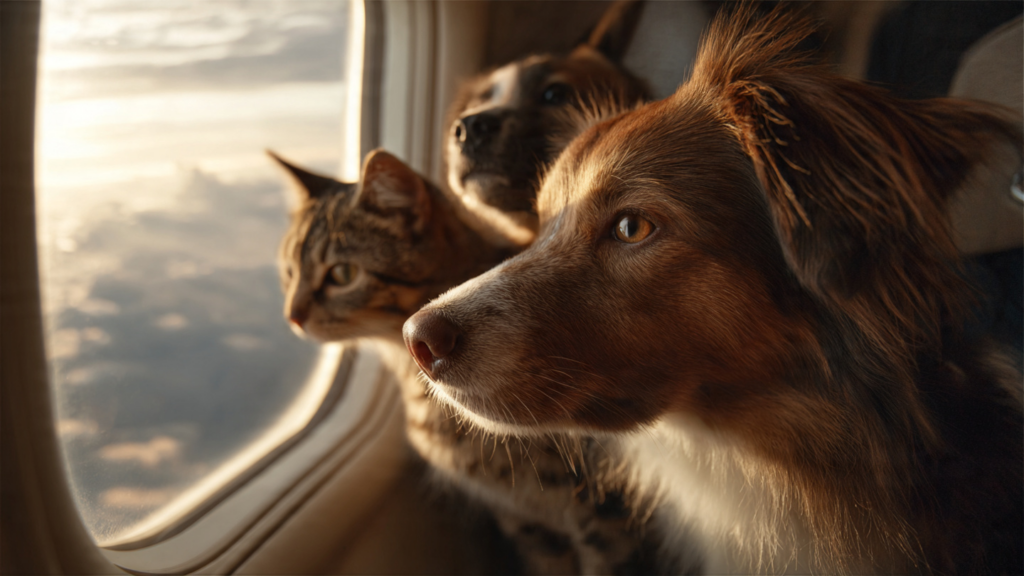
When owners recognize that pets process travel step by step, they’re better able to support calm transitions. This awareness often makes the experience feel smoother for both sides.
Travel feels less overwhelming when it’s viewed through a pet’s perspective.
The Journey Starts Before the Airport
For pets, air travel begins at home.
Packing, changes in routine, and unfamiliar timing signal that something is different. Pets often notice these shifts early and may become more observant or attentive.
These early moments set the tone for the rest of the journey.
New Environments Bring Heightened Awareness
Airports introduce a flood of new sensory information.
Pets may notice sounds, echoes, movement, and unfamiliar flooring. Many respond by watching closely and staying near familiar people.
Observation is a natural way pets gather information and feel grounded.
Familiar Items Offer Reassurance
During air travel, familiar items matter more than ever.
A known carrier, blanket, or familiar scent helps pets feel anchored amid change. These items provide continuity across environments.
Familiarity creates emotional stability.
Movement and Transitions Are Key Moments
Transitions shape the experience.
Moving from car to terminal, terminal to gate, and gate to plane can feel like separate events to a pet. Each transition requires a brief period of adjustment.
Calm, steady movement helps pets process these changes.
Sound Feels Different in the Air
Air travel introduces unique sounds.
The hum of engines, cabin noise, and changes in pressure all register differently than everyday environments. Pets may listen carefully at first before settling.
Over time, repeated exposure often turns these sounds into background noise.
Confined Spaces Change Perception
The airplane cabin feels different from open spaces.
For pets, a smaller, enclosed environment can feel either comforting or unfamiliar depending on experience. Familiar carriers and steady presence help create a sense of safety.
Boundaries help define a manageable space.
Owner Presence Is a Strong Anchor
Pets look to their owners throughout air travel.
Familiar voices, calm movement, and predictable interaction offer reassurance. Even small gestures can signal that everything is okay.
Presence often matters more than the setting itself.
Routine Helps Structure the Experience
Even during flights, routine plays a role.
Familiar cues before rest, quiet moments of stillness, and predictable handling help pets understand what’s happening.
Routine creates structure in an otherwise unfamiliar process.
Waiting Periods Shape Comfort
Waiting is a big part of air travel.
Pets often adjust to waiting by settling into observation or rest. Owners may notice pets becoming calmer once movement pauses.
Stillness can provide relief amid activity.
Arrival Brings a New Adjustment Phase
Landing doesn’t end the experience—it starts another transition.
New sounds, movements, and environments appear quickly. Pets often return to observation mode as they take in the new setting.
Adjustment continues beyond the flight itself.
Familiar Patterns Return First
After air travel, familiar patterns often reappear gradually.
Eating, resting, and walking behaviors return as pets recognize routine cues.
These familiar behaviors signal growing comfort.
Individual Temperament Shapes the Experience
Every pet experiences air travel differently.
Some remain curious throughout, others prefer quiet observation. Past experience, temperament, and familiarity all influence adjustment.
There’s no single “right” response.
Repetition Builds Confidence Over Time
For pets who travel more than once, confidence often grows.
What felt unfamiliar on the first trip becomes more predictable on the next. Repetition reduces uncertainty.
Experience shapes comfort.
Owners Learn Through Observation
Air travel often sharpens owner awareness.
Watching how pets respond to each stage helps owners understand what supports comfort best.
This awareness informs future trips.
Emotional Tone Matters Throughout
Pets often mirror emotional tone.
Calm, steady owners tend to see calmer behavior. When owners slow down, pets often settle more easily.
Emotional consistency supports adjustment.
Rest Signals Safety
One of the clearest signs of comfort during air travel is rest.
When pets relax, stretch, or sleep, it usually means they feel secure enough to let their guard down.
Rest reflects trust.
The Experience Feels Different in Hindsight
Many owners realize after the trip that their pet handled air travel better than expected.
What felt uncertain beforehand becomes manageable once experienced.
Perspective often shifts after the journey ends.
When Air Travel Becomes Familiar
With experience, air travel becomes another routine.
Preparation feels predictable. Transitions feel smoother. Pets recognize patterns.
Familiarity reduces the sense of novelty.
A Thoughtful Takeaway
How pets experience air travel is shaped by routine, familiarity, and the reassurance of trusted presence. While the environments are new and the process unfolds in stages, pets adapt by observing, settling, and responding to consistent cues.
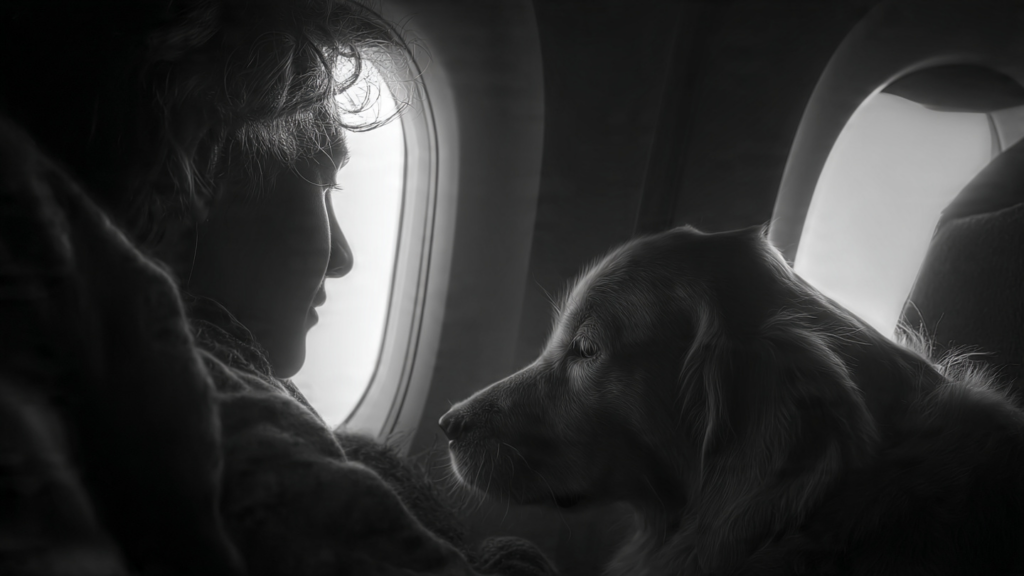
By viewing air travel through a pet’s perspective—one transition at a time—owners can support a calmer, more manageable experience. In those quiet moments when a pet settles mid-journey, it becomes clear that even in the air, familiarity and patience help pets feel grounded wherever the trip leads.