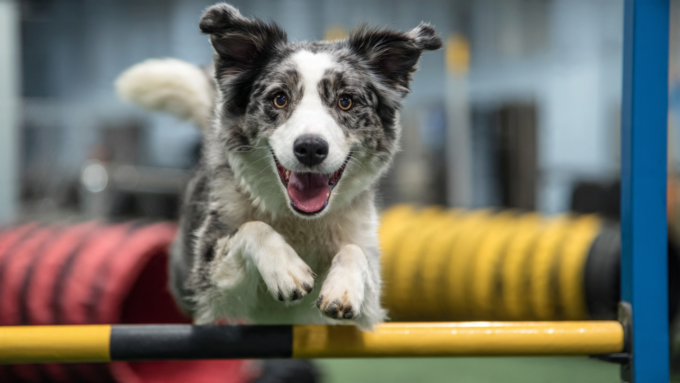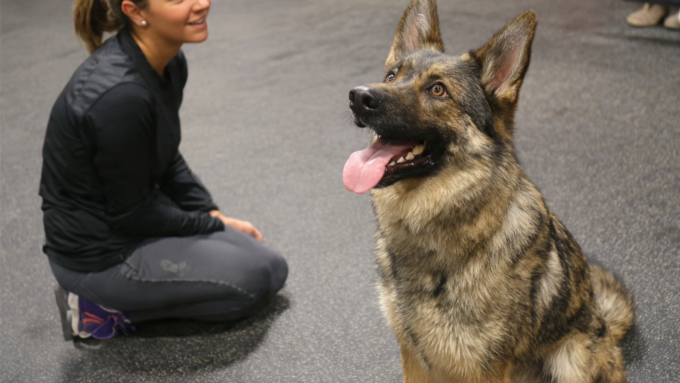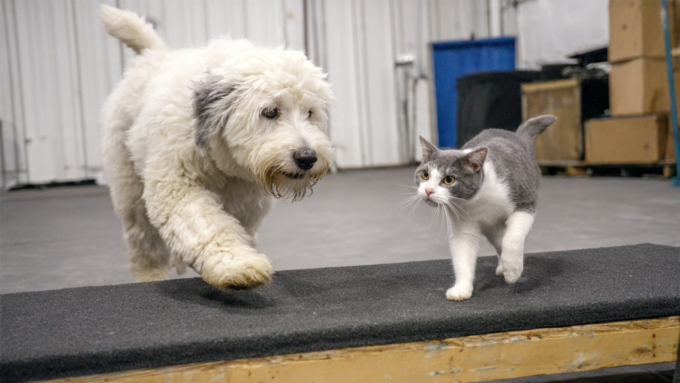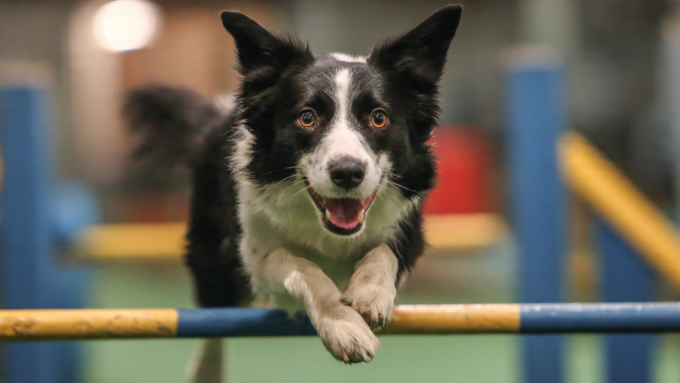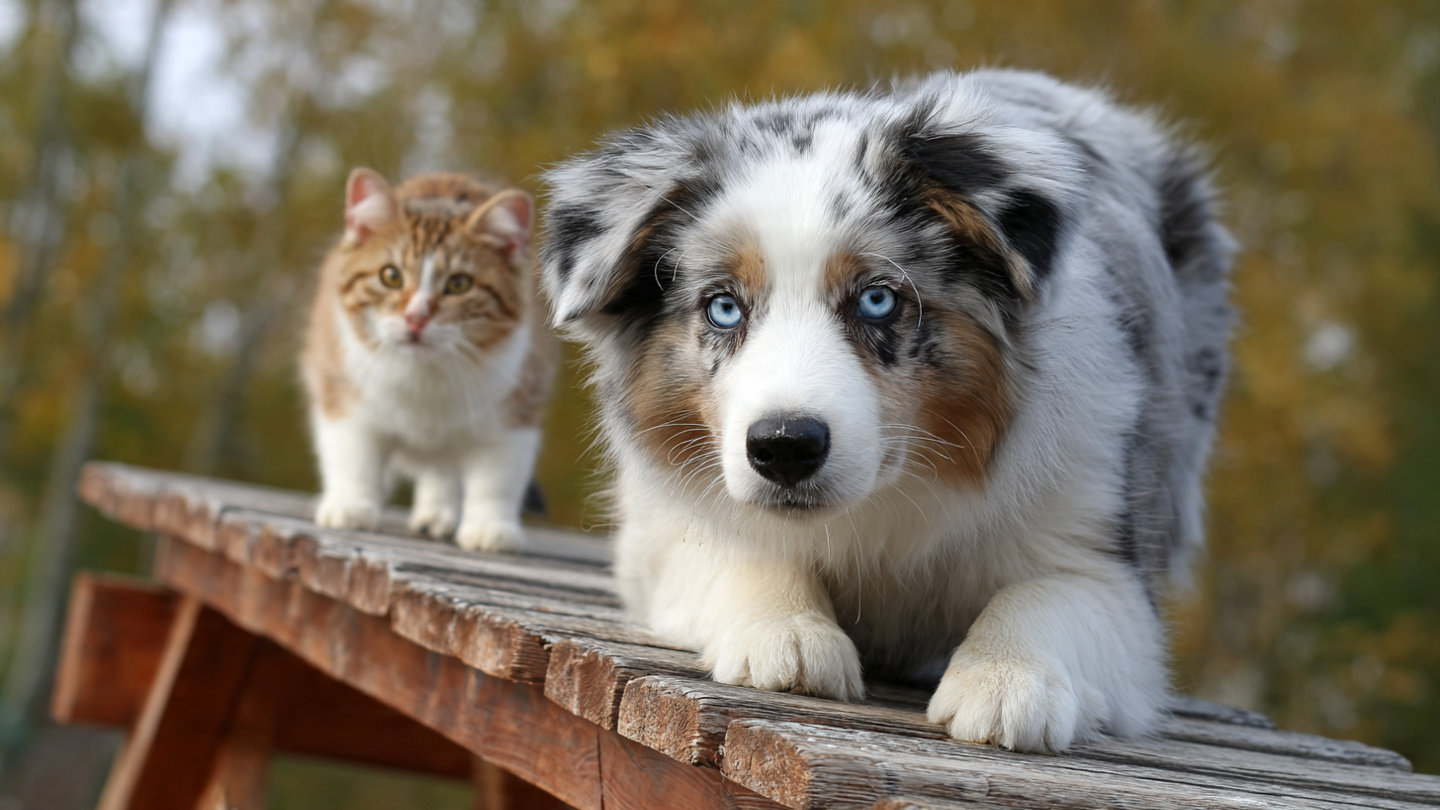
You might notice it during an ordinary moment. Your pet tries something new, pauses, then tries again. Maybe it’s a small movement, a repeated action, or a new way of responding to a familiar situation. At first, it looks uncertain, almost accidental.
Over time, that same action starts to look more intentional. The pause shortens. The response becomes smoother. Without anyone pointing out the change, learning is already happening.
How pets learn new skills is rarely about sudden understanding. It’s a gradual process shaped by repetition, familiarity, and the everyday rhythm of shared life. Skills develop quietly, one small experience building on the next.
✨ AI Insight:
As people reflect more easily on repeated activities, subtle technology has helped reveal how learning unfolds through small, consistent interactions over time.
Why It Matters
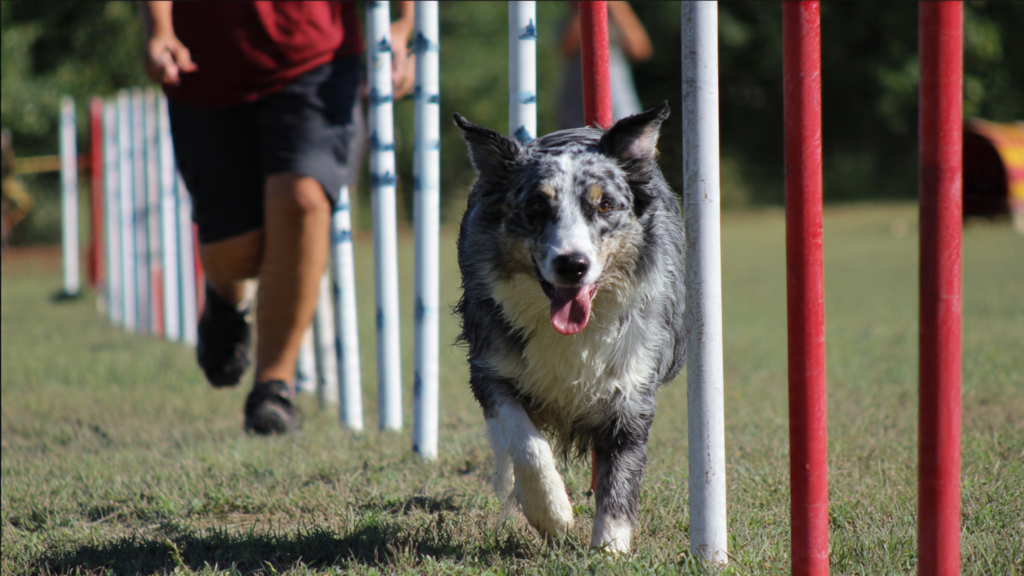
Learning new skills isn’t just about tricks or agility. It’s about how pets adapt, engage, and build confidence in their environment.
When owners understand how learning happens, they’re more likely to notice progress without rushing it. This understanding makes skill-building feel supportive rather than demanding.
Recognizing the learning process helps both pets and owners enjoy the journey instead of focusing only on outcomes.
Learning Starts With Curiosity
Most new skills begin with curiosity. Pets explore movements, objects, or cues simply because they’re interesting.
This curiosity isn’t structured. It’s natural and spontaneous. Pets test actions without knowing whether they’re “right.”
These early explorations lay the groundwork for learning.
Repetition Builds Familiarity
Skills take shape through repetition. When an action is repeated in a similar context, it becomes familiar.
Pets don’t memorize steps. They recognize patterns. Repeated experiences help them understand what usually happens next.
Familiarity turns trial into confidence.
Timing Helps Skills Stick
When learning moments happen consistently, pets begin to anticipate them.
The timing of practice, play, or interaction helps skills feel predictable. This predictability reduces uncertainty and supports focus.
Timing doesn’t need to be exact. It just needs to be recognizable.
Environment Supports Learning
Where learning happens matters.
Familiar environments help pets focus because they’re not processing new surroundings at the same time. Skills often develop more smoothly in spaces pets already know well.
As confidence grows, skills naturally carry over into new environments.
Small Steps Matter Most
New skills rarely appear fully formed. They build through small steps that connect over time.
A slight movement, a brief pause, or a repeated response can all be part of learning.
These small steps often go unnoticed until they’ve already added up.
Consistency Creates Clarity
Consistent cues and responses help pets understand what’s expected.
When actions lead to similar outcomes, pets learn more quickly. Mixed signals can slow learning by creating uncertainty.
Clarity supports confidence.
Learning Happens in Short Bursts
Pets tend to learn best in short, natural moments rather than long sessions.
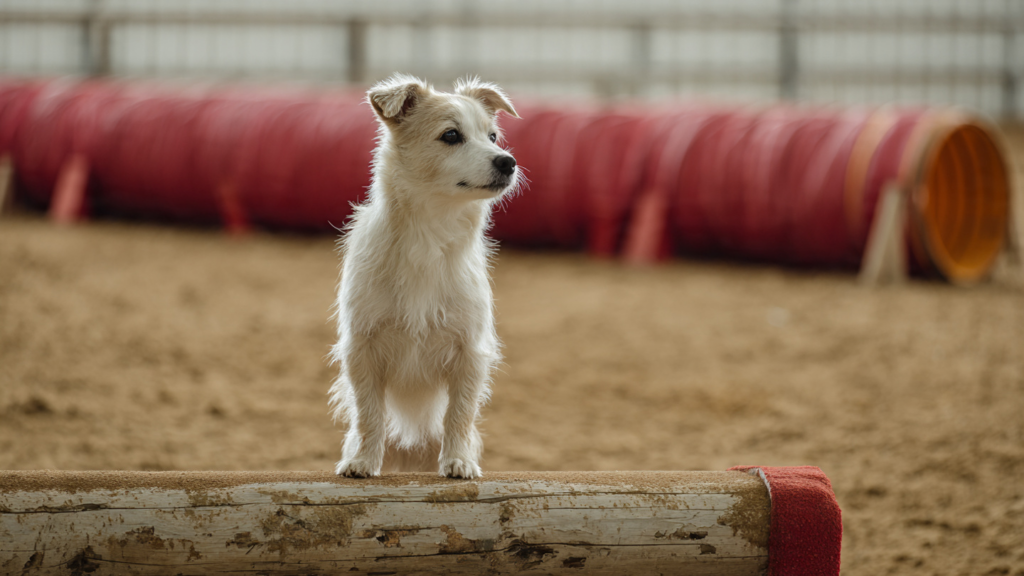
Brief interactions woven into daily life feel less demanding and easier to repeat.
These small moments accumulate into meaningful progress.
Observation Comes Before Mastery
Before a skill looks polished, pets often observe more than they act.
They watch, pause, and process. This observation phase is part of learning, not a lack of progress.
With time, observation turns into action.
Emotional Tone Influences Learning
The emotional environment plays a role in how learning feels.
Calm, relaxed moments tend to support better focus. When learning feels safe, pets are more willing to try again.
Emotional steadiness encourages engagement.
Mistakes Are Part of the Process
Trying something new often includes missteps.
Pets don’t view mistakes the way humans do. They’re simply part of figuring things out.
Allowing room for trial helps learning stay relaxed and natural.
Owners Learn Alongside Pets
As pets learn new skills, owners learn too.
They notice timing, cues, and what helps their pet stay engaged. This shared learning strengthens communication.
Understanding grows on both sides.
Skills Become Habits Over Time
With enough repetition, skills stop feeling new.
They become habits that pets perform without hesitation. The action feels familiar and automatic.
This habit formation is often when owners realize how much learning has happened.
Progress Shows Up Quietly
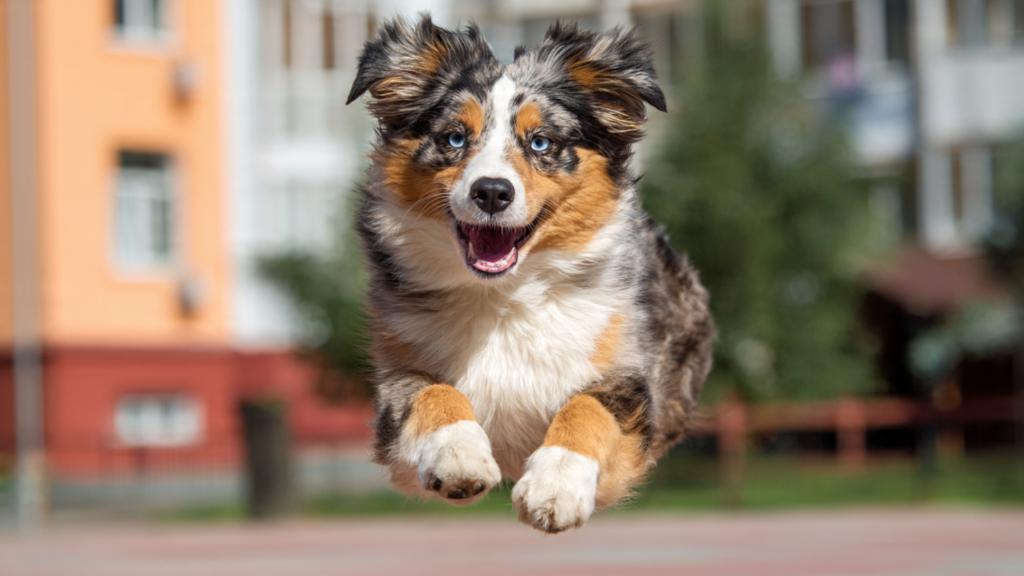
Skill development often becomes noticeable only in hindsight.
Owners may suddenly realize that a movement looks smoother or a response comes faster than before.
These realizations confirm that learning has been happening all along.
Individual Learning Styles Differ
Every pet learns differently.
Some take to new skills quickly, others need more repetition. Personality, environment, and experience all play a role.
Respecting these differences keeps learning positive.
Routine Supports Skill Retention
Skills tend to stick when they’re practiced within routine.
When learning moments are part of daily life, they feel familiar and easy to repeat.
Routine gives skills a place to live.
Confidence Grows Through Success
As skills become familiar, confidence grows.
Pets approach learning with less hesitation and more engagement.
This confidence often carries into other areas of daily life.
Learning Never Fully Stops
Even after a skill is learned, pets continue refining it.
Small adjustments happen naturally as experience builds.
Learning remains an ongoing process rather than a finished task.
When Skills Feel Natural
The clearest sign that a skill has been learned is when it feels natural.
There’s no pause, no hesitation. The action simply happens as part of routine.
At that point, learning has blended into everyday behavior.
A Thoughtful Takeaway
How pets learn new skills isn’t about speed or complexity. It’s about curiosity, repetition, and the comfort of familiar routines.
Through small steps, steady practice, and calm interaction, learning unfolds naturally. Owners who notice patterns rather than rush results often find that skills develop quietly and confidently. In those everyday moments of trial and repetition, pets build abilities that feel less like tricks and more like a natural extension of how they move through their world.