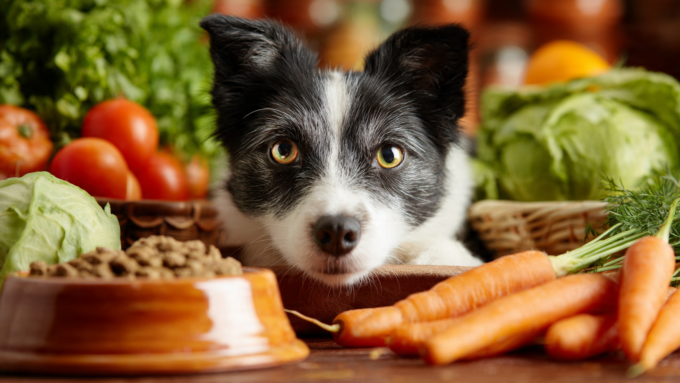
It often begins as a practical question. You’re standing in the kitchen, thinking about the next meal, wondering how something different might fit into the rhythm you already have. Your pet waits nearby, familiar with the sounds and timing that signal food is coming. Routine matters here, for both of you.
For many owners, exploring raw diets isn’t about changing everything at once. It’s about seeing whether this way of feeding can settle naturally into everyday life. The biggest consideration usually isn’t theory or trend. It’s whether the routine still feels calm, predictable, and manageable.
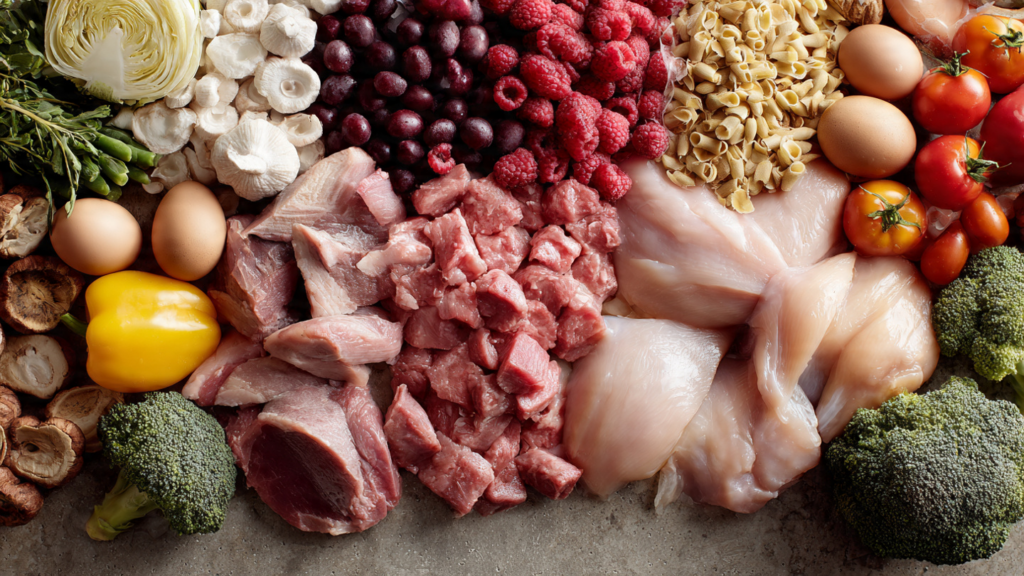
How raw diets fit into daily routines becomes clear not in one day, but over repeated meals. It’s shaped by preparation habits, timing, storage, and how feeding moments feel once they become familiar.
✨ AI Insight:
As people have become better at reflecting on repeated daily habits, quiet technology has helped highlight how new routines gradually settle into familiar patterns over time.
Routines Set the Foundation
Daily pet care is built on repetition. Feeding times, locations, and signals rarely change, and pets rely on that consistency.
When raw diets are introduced, most owners try to keep everything else the same. The bowl goes in the same place. Meals happen at the same time. The surrounding routine remains familiar.
This consistency helps the new food fit into an established structure rather than feeling like a disruption.
Preparation Becomes Part of the Rhythm
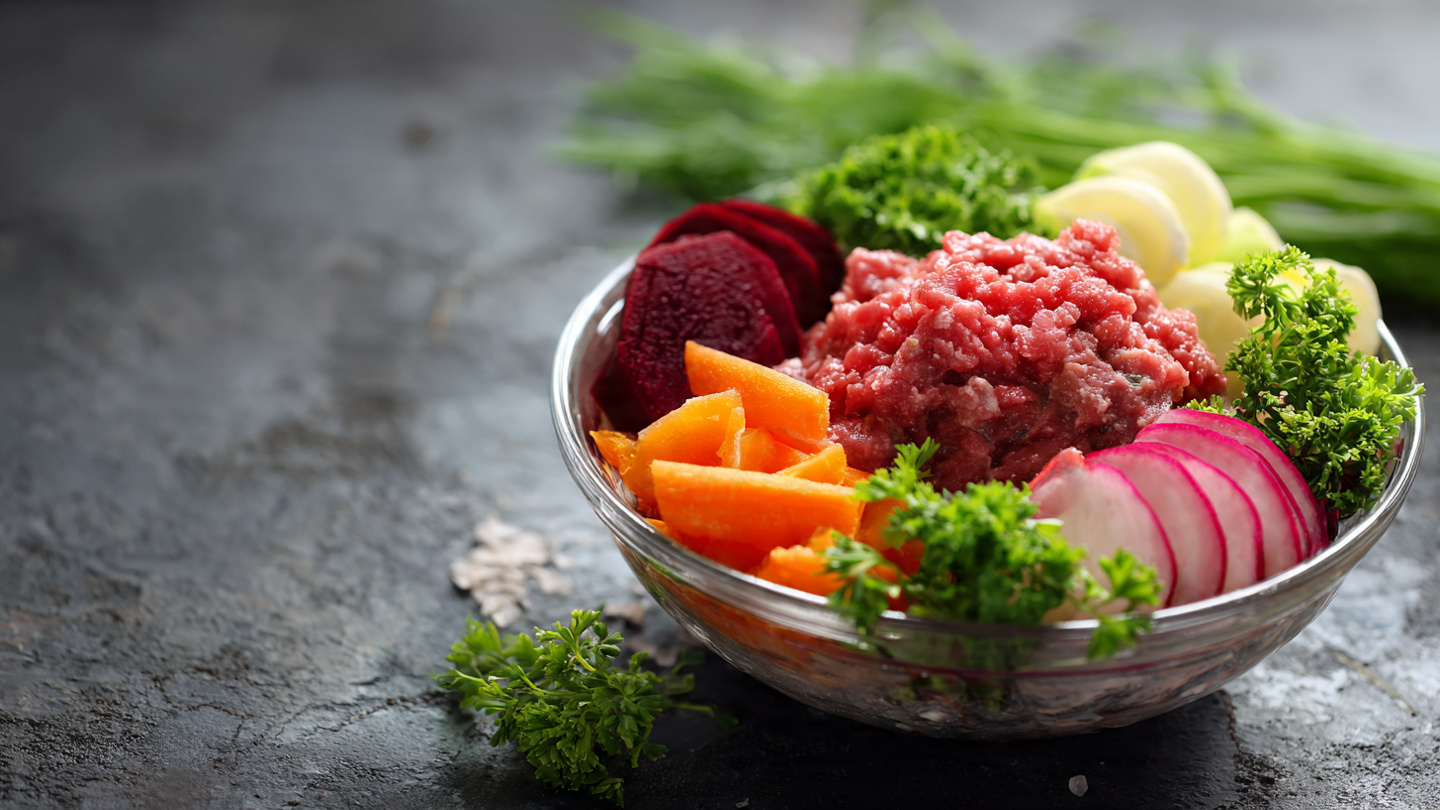
One of the first adjustments owners notice is preparation. Raw diets often involve a bit more planning ahead.
Over time, this preparation tends to find its place. It becomes another step in a familiar sequence, like refilling bowls or setting up feeding areas.
Once preparation repeats enough times, it stops feeling new and starts feeling routine.
Timing Matters More Than Type
For most pets, timing is more important than what’s in the bowl. They recognize when food usually appears and anticipate that moment.
Owners who find raw diets fitting smoothly often keep timing consistent. Meals arrive when expected, reinforcing trust in the routine.
This predictability helps the feeding moment feel stable even as the contents of the bowl differ.
Feeding Spaces Stay Familiar
Where feeding happens plays a big role in routine comfort. Many owners notice that keeping the same feeding space helps raw diets feel more integrated.
The pet approaches the same spot, uses the same bowl, and follows the same pattern as before.
This familiarity anchors the experience, making the routine feel continuous rather than changed.
Gradual Normalization Over Time
At first, feeding raw may feel more noticeable. Owners pay closer attention, and the routine feels slightly different.
Over time, that awareness fades. What once required focus becomes automatic. The steps are remembered without effort.
This normalization is often when owners realize the routine has truly settled.
Storage Becomes Second Nature
Storage is another aspect that finds its place gradually. Owners often adjust how and where food is stored to match daily habits.
Once storage aligns with routine, accessing meals feels straightforward. There’s less thinking involved and fewer interruptions to flow.
This practical ease plays a big role in whether the routine feels sustainable.
Feeding Moments Feel Defined
Some owners notice that feeding moments feel more clearly defined with raw diets. The process has a beginning and an end that feels intentional.
The meal happens, the bowl is removed, and the routine moves on. There’s less lingering uncertainty around the feeding space.
This clarity can make mealtimes feel neatly contained within the day.
Pets Respond to Familiar Signals
Pets are highly attuned to signals. Sounds, movements, and timing all cue them that food is coming.
When these signals stay the same, pets often respond calmly regardless of diet type. Owners notice that familiarity in signals supports smooth transitions into feeding time.
This response reinforces the sense that the routine still works.
Cleanup Finds Its Place
Cleanup is part of every feeding routine. With repetition, owners often find an approach that feels efficient and predictable.
Once cleanup becomes standardized, it stops standing out. It becomes just another step in the process.
This predictability helps feeding feel complete rather than lingering.
Owners Adjust Alongside Pets
As pets adapt, owners do too. Confidence grows with repetition.
What once felt unfamiliar becomes intuitive. Owners no longer think through each step. They simply follow the routine they’ve built.
This shared adjustment strengthens the feeling that the routine belongs.
Flexibility Within Structure
Even consistent routines allow for flexibility. Owners often notice that once raw diets fit into daily life, small adjustments feel easier to make.
The foundation of routine remains strong, allowing minor variations without stress.
This balance between structure and flexibility supports long-term comfort.
Less Mental Load Over Time
One of the clearest signs that a routine fits is reduced mental effort. Owners notice they’re thinking less about feeding.
The steps happen naturally. There’s less checking, planning, or second-guessing.
This mental ease often matters as much as any practical consideration.
Shared Calm Around Meals
Feeding is a shared moment. When the routine feels settled, that moment feels calm for both pet and owner.
There’s less anticipation and less uncertainty. The interaction feels familiar and relaxed.
This shared calm reinforces confidence in the routine.
Observation Without Overthinking
Owners often find that once the routine is established, observation replaces analysis.
They notice how the day flows rather than focusing on individual meals.
This relaxed awareness supports a more intuitive relationship with routine.
Respecting Individual Household Rhythms
Every household is different. Schedules, spaces, and habits shape how routines form.
How raw diets fit into daily routines depends on aligning with those existing rhythms rather than forcing a new structure.
Owners who adapt routines to their lives often find the best fit.
When the Routine Feels Complete
At some point, feeding no longer feels like a special task. It’s simply part of the day.
Raw diets, when they fit well, stop drawing attention. They exist within the routine rather than standing apart from it.
This sense of completeness is subtle but meaningful.
A Thoughtful Takeaway
How raw diets fit into daily routines isn’t about perfection or strict systems. It’s about repetition, familiarity, and finding a flow that feels natural.
When preparation, timing, and environment align with existing habits, raw feeding becomes just another part of daily life. In that quiet consistency, routines feel calm, manageable, and shared—supporting a steady rhythm that works for both pets and the people who care for them.