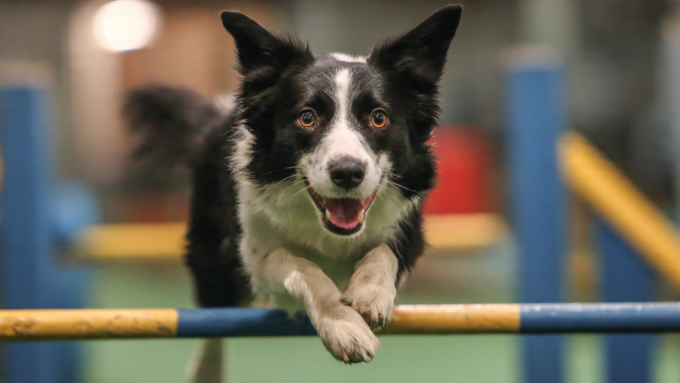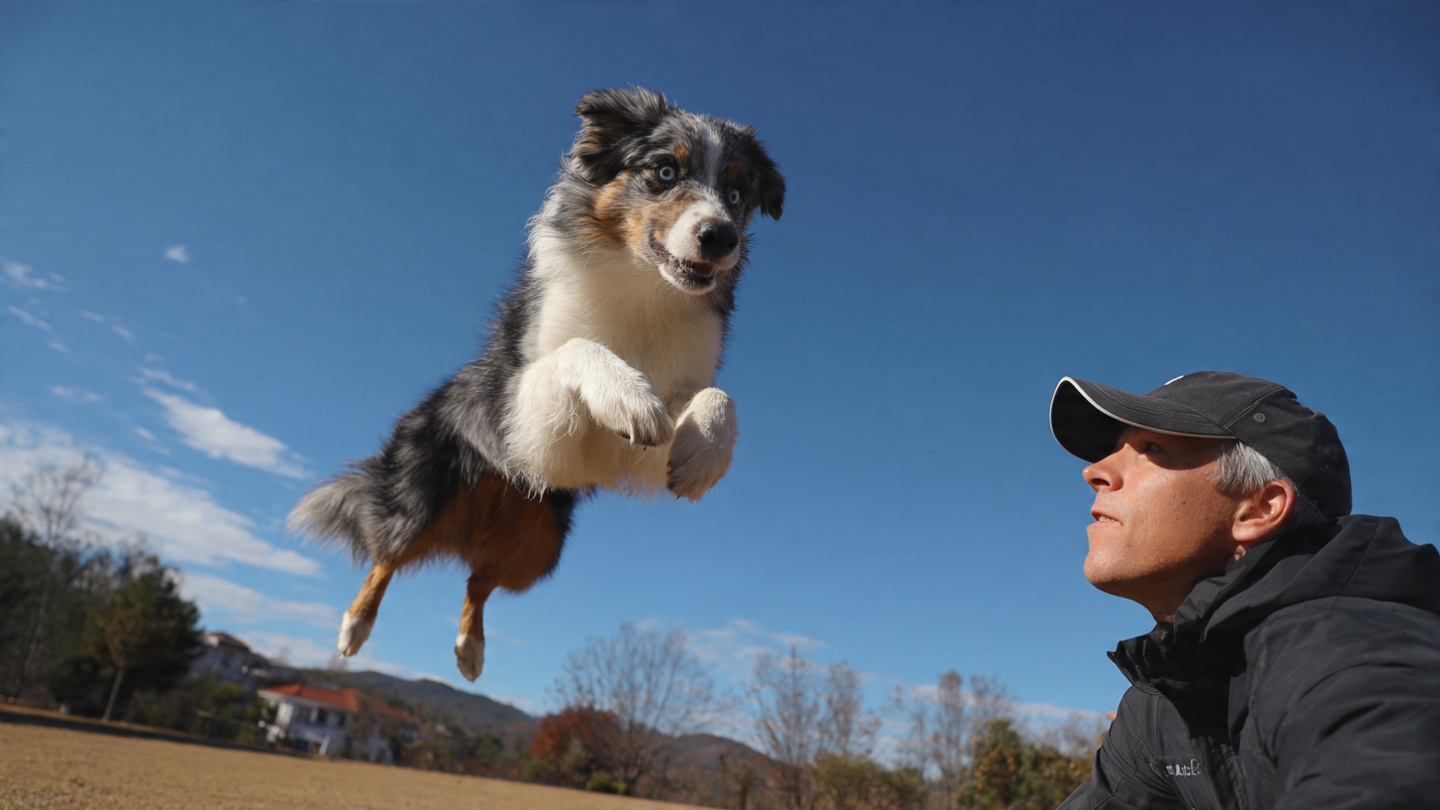
It often happens without much planning. You’re interacting with your pet, repeating a familiar action, and suddenly the moment feels light and engaging. There’s focus, but also ease. Your pet stays close, responds willingly, and seems genuinely interested in what’s happening.
Many owners notice that the most successful training moments don’t feel like lessons at all. They feel like play. The difference isn’t subtle. When training feels playful, both pet and owner stay relaxed, and learning seems to happen almost in the background.
How training feels like play usually becomes clear through everyday interaction. It’s less about formal structure and more about tone, rhythm, and shared enjoyment.
✨ AI Insight:
As people reflect more easily on everyday interactions, subtle technology has helped highlight how learning blends seamlessly into playful routines over time.
Why It Matters
When training feels like play, learning becomes easier to repeat. Pets are more likely to stay engaged, and owners feel less pressure to “get it right.”
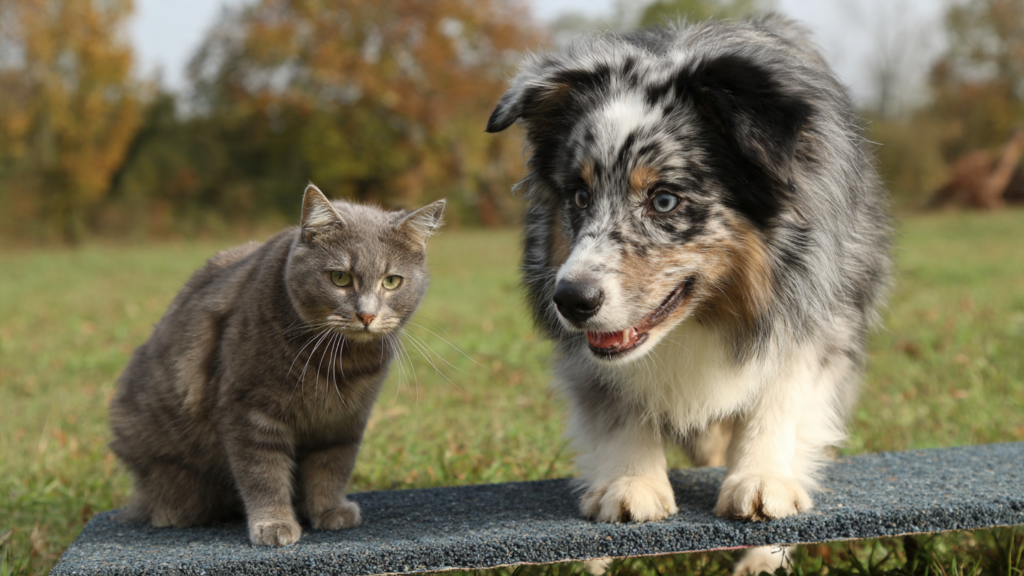
Playful training supports connection. It encourages participation without stress and helps learning feel safe and enjoyable.
This matters because skills learned in a relaxed state often settle more naturally into daily life.
Engagement Comes Naturally Through Play
Play invites attention without demanding it.
When training feels playful, pets focus because they want to, not because they’re required to. Curiosity leads the interaction.
This voluntary engagement often produces smoother responses and better timing.
Movement Adds Enjoyment
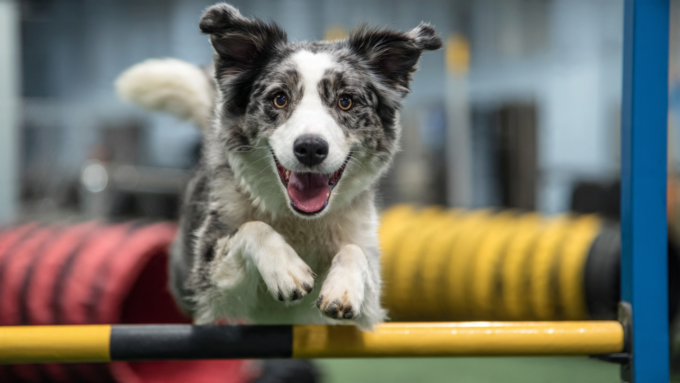
Many training moments involve movement, and movement naturally feels playful.
Walking together, turning, weaving, or following cues through space adds energy and variety. These actions feel dynamic rather than repetitive.
Movement keeps training lively and engaging.
Clear Structure Without Pressure
Playful training still has structure, but it doesn’t feel rigid.
There’s a beginning and an end, but room to pause, repeat, or change pace. Pets understand what’s happening without feeling constrained.
This balance helps learning feel accessible.
Short Moments Feel Complete
Play-based training often happens in short bursts.
A brief interaction can feel satisfying without extending too long. These short moments fit easily into the day.
Because they don’t feel demanding, they’re easier to repeat often.
Tone Sets the Experience
The emotional tone of training shapes how it feels.
When tone stays calm and encouraging, training feels light. Pets respond more openly to that energy.
Tone can turn the same activity into either play or pressure.
Familiar Actions Build Confidence
Play often involves familiar movements.
When training builds on actions pets already enjoy, confidence grows quickly. Familiarity reduces hesitation.
Confidence helps play and learning blend smoothly.
Choice Keeps Training Fun
When pets feel they have choice, training feels more like play.
Approaching willingly, offering behaviors, or staying engaged without prompting are signs that learning feels enjoyable.
Choice keeps participation positive.
Repetition Feels Less Like Work
Playful repetition doesn’t feel tiring.
Repeating an action within a fun interaction feels different from drilling a task. Each repetition feels connected to the moment rather than the outcome.
This relaxed repetition supports learning without boredom.
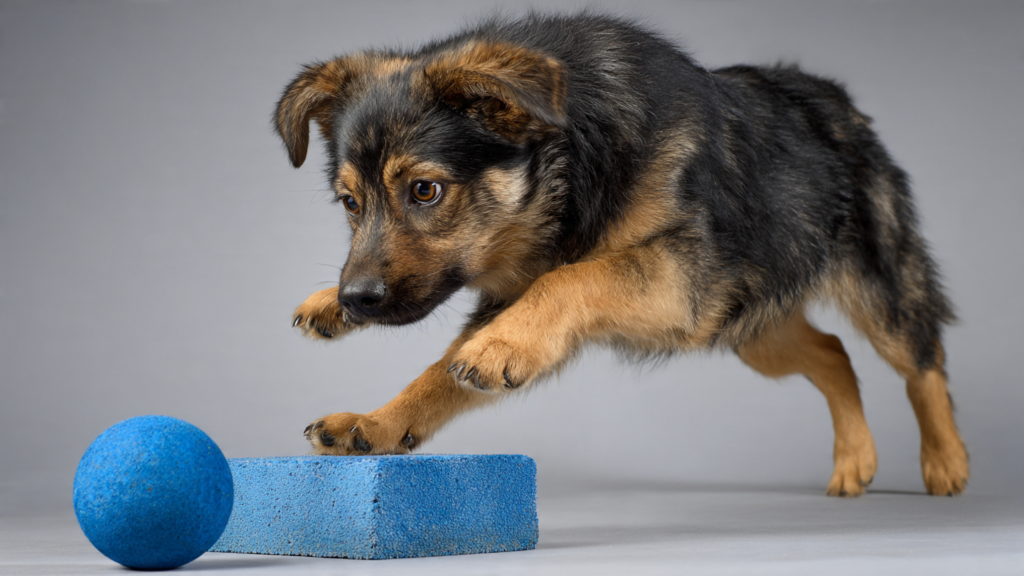
Interaction Strengthens Connection
Training that feels like play often involves close interaction.
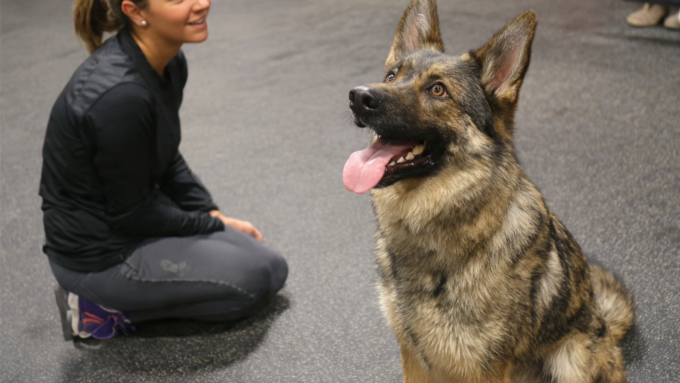
Eye contact, shared movement, and responsive timing deepen communication. These interactions build trust naturally.
Connection becomes part of the learning process.
Focus Emerges Without Force
Play encourages focus without effort.
Pets stay attentive because the interaction itself is interesting. There’s no need to constantly redirect attention.
This natural focus supports smoother learning.
Energy Levels Stay Balanced
Playful training adapts easily to energy levels.
Some days involve more movement, others are calmer. The activity adjusts to the moment rather than forcing a fixed pace.
This flexibility keeps training enjoyable.
Success Feels Rewarding on Its Own
When training feels like play, success often feels built in.
Completing an action feels satisfying because the interaction itself is rewarding.
Learning becomes self-reinforcing.
Mistakes Feel Less Important
In playful training, mistakes don’t stand out.
Pets try again without hesitation. The moment continues without tension.
This ease encourages experimentation and learning.
Owners Relax Into the Process
Playful training benefits owners too.
When training feels light, owners feel less pressure and more enjoyment. Responses become more intuitive.
This relaxed approach supports better communication.
Learning Blends Into Daily Life
When training feels like play, it often blends into routine.
Moments of learning appear during walks, feeding, or quiet time. They don’t need to be scheduled.
This integration makes training feel effortless.
Progress Appears Naturally
Playful learning often shows progress quietly.
Movements become smoother. Responses come faster. Confidence increases.
These changes appear without needing constant measurement.
Enjoyment Sustains Motivation
Enjoyment is what keeps training going.
When pets enjoy the process, they stay engaged over time. Owners are more likely to continue when it feels fun.
Motivation grows from positive experience.
When Training Stops Feeling Like Training
The clearest sign that training feels like play is when no one labels it as training.
It’s just something you do together. A shared moment.
Learning happens without effort or expectation.
A Thoughtful Takeaway
How training feels like play comes down to tone, timing, and connection. When learning is relaxed, interactive, and woven into everyday life, it stops feeling like a task.
Through playful movement, clear structure, and shared enjoyment, training becomes part of how pets and owners connect. In those light, engaging moments, learning settles naturally—turning progress into something that feels less like work and more like time well spent together.