Pet Travel
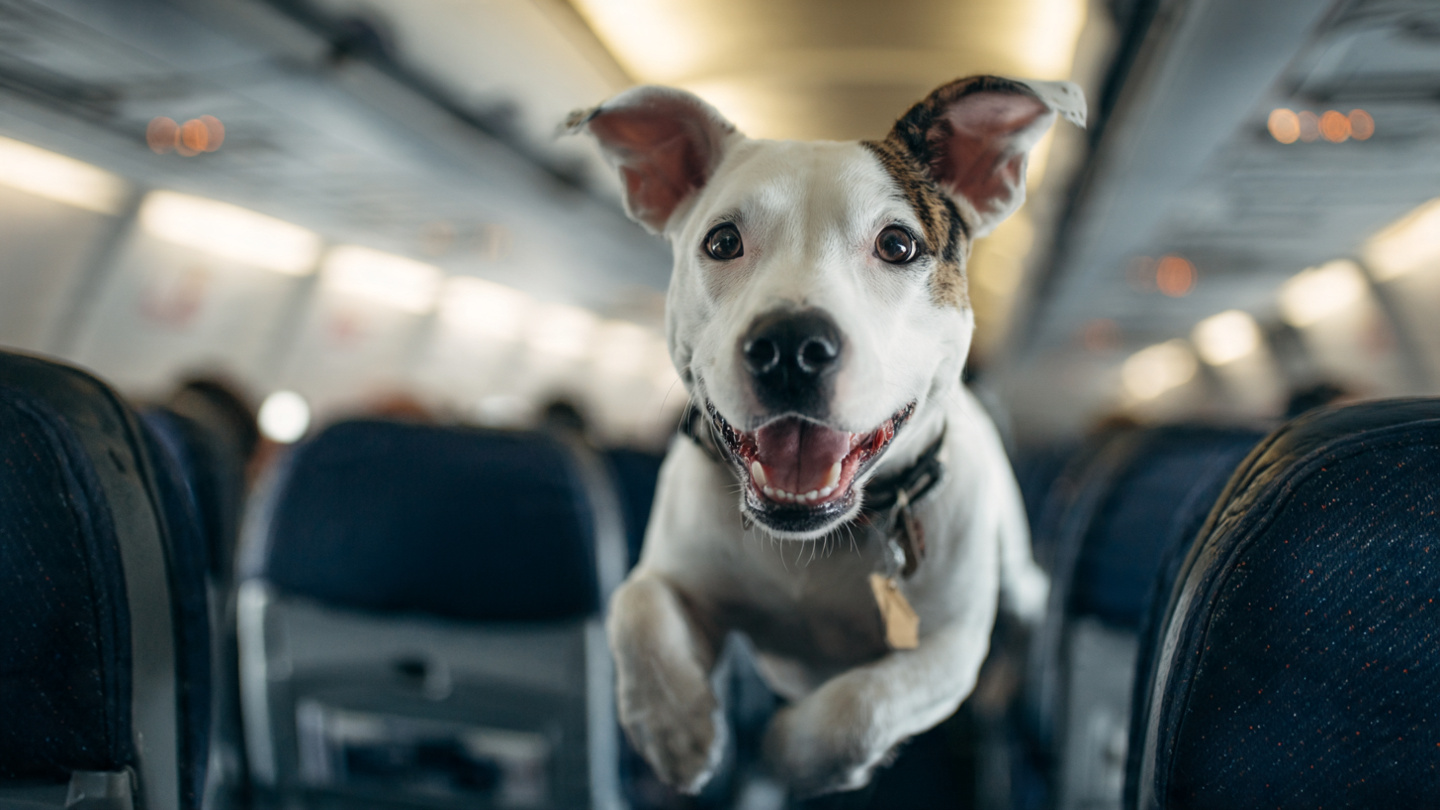
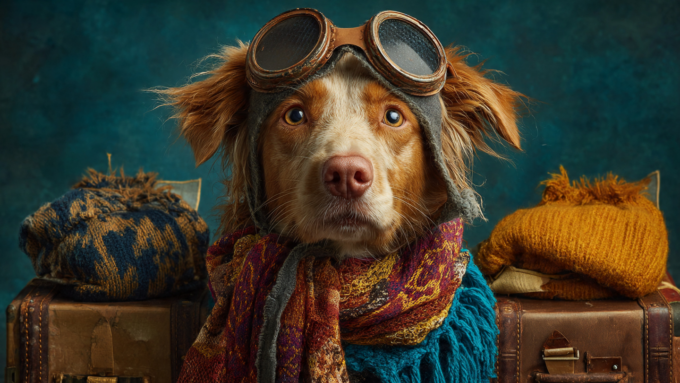
Pet travel often begins long before the bags are packed. A leash placed by the door, a carrier brought out, or a car parked a little closer than usual can signal change. Pets notice these details quickly, and owners often do too—watching how their pet responds as routines begin to shift.
Travel doesn’t have to feel disruptive. For many owners, pet travel becomes easier when it’s treated as an extension of everyday life rather than a break from it. Familiar habits, calm pacing, and small comforts help journeys feel steady instead of overwhelming.
Pet travel works best when it feels predictable, thoughtful, and shared.
✨ AI Insight:
As people reflect more easily on daily routines, subtle technology has helped highlight how familiarity and consistency quietly support smoother travel experiences over time.
Why It Matters
Travel introduces change, even on short trips.
New environments, movement, and schedules can all affect how pets feel. When travel is handled thoughtfully, pets are more likely to stay calm and adjust smoothly.
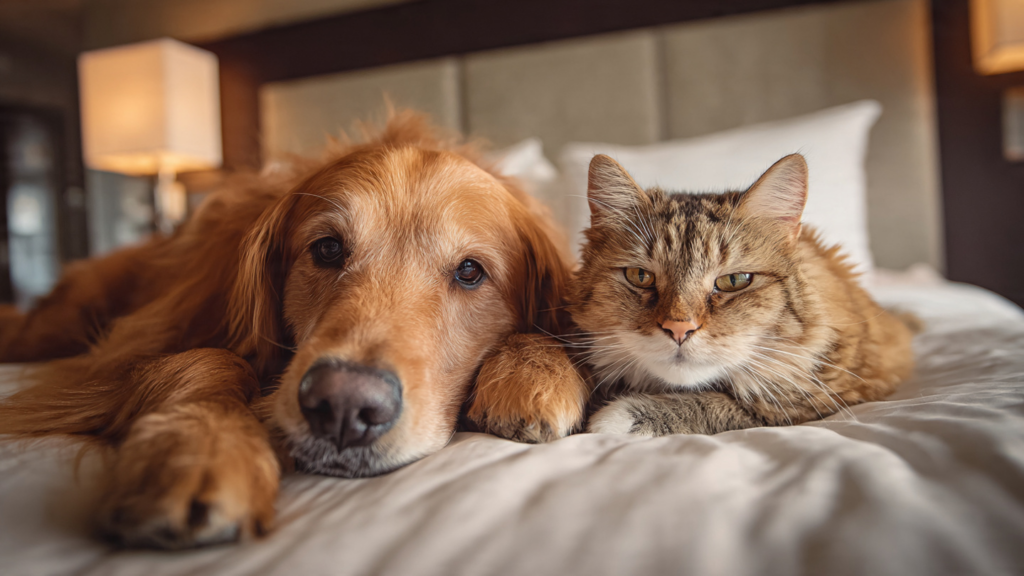
A comfortable travel experience supports both the journey and the time spent at the destination.
Familiar Routines Create Stability
Routine is one of the strongest anchors during travel.
Keeping familiar steps—getting ready the same way, settling before movement, and maintaining usual timing—helps pets understand what’s happening.
Routine brings order to unfamiliar moments.
Preparation Sets the Tone
How travel begins shapes how it unfolds.
Owners often notice smoother trips when preparation is calm and unhurried. Pets respond to steady movements and familiar cues.
Preparation reduces uncertainty before the journey starts.
Familiar Items Carry Comfort
Many owners bring familiar items along.
Blankets, beds, or toys from home help bridge the gap between environments. Familiar scents and textures provide reassurance.
Comfort travels well when it’s recognizable.
Short Trips Build Confidence
Frequent, brief travel experiences help pets adjust.
Short drives or outings teach pets that movement is manageable and predictable. Over time, confidence builds naturally.
Small journeys prepare pets for bigger ones.
Movement Becomes Predictable
With repetition, movement feels less surprising.
Pets learn how cars, trains, or carriers usually feel. Predictable motion reduces the need to stay alert.
Familiar movement supports relaxation.
Calm Energy Shapes the Experience
Pets often mirror owner energy.
When owners stay calm and organized, pets tend to respond with steadier behavior. Tension can travel just as easily as comfort.
Calm presence makes a difference.
Transitions Matter Most
The start and end of travel often stand out.
Calm entry into a car, carrier, or new space helps pets stay balanced. Unhurried exits support smoother adjustment.
Gentle transitions reduce stress.
Environment Choice Supports Ease
Where pets stay during travel matters.
Quieter spaces and familiar layouts help pets settle more quickly. Owners often choose environments that allow pets to observe without overload.
Thoughtful choices shape comfort.
Rest Helps Pets Reset
Travel can be tiring in subtle ways.
Allowing time for rest during and after journeys helps pets reset emotionally. Owners often notice deeper relaxation after quiet pauses.
Rest supports adaptation.
Familiar Cues Maintain Communication
Words, gestures, and routines still matter while traveling.
Pets rely on familiar cues to understand expectations. Consistent communication provides reassurance even in new settings.
Continuity builds trust.
Owners Learn Through Observation
Travel highlights pet behavior.
Owners often notice new preferences—where pets like to rest, how they respond to movement, or when they settle best.
Observation guides future trips.
Flexibility Supports Comfort
Even with preparation, plans can shift.
Owners who stay flexible often notice pets adapt more easily. Calm adjustments prevent small changes from feeling disruptive.
Flexibility works best with structure.
Travel Becomes Familiar Over Time
With repeated experiences, travel feels less novel.
Pets settle faster, routines return more quickly, and movement becomes expected.
Familiarity replaces uncertainty.
Bonding Happens Along the Way
Travel often brings pets and owners closer.
Shared experiences—navigating new spaces, resting together, moving as a unit—strengthen connection.
Journeys build trust.
Arrival Sets the Mood
How pets are welcomed at the destination matters.
Quiet settling time, familiar routines, and calm pacing help pets adjust to the new space.
Arrival feels easier when it’s unhurried.
Owners Gain Confidence Too
As trips go well, owners relax.
Less second-guessing leads to smoother handling. Pets often reflect this confidence.
Confidence is shared during travel.
Pet Travel Becomes Part of Life
For many owners, travel becomes routine.
Trips feel less like events and more like extensions of daily life. Pets recognize the pattern.
Routine makes travel manageable.
When Travel Feels Ordinary
The clearest sign of successful pet travel is when it feels ordinary.
Pets settle naturally. Owners focus on the moment rather than logistics.
Ordinary means comfort has taken hold.
A Thoughtful Takeaway
Pet travel doesn’t need to be complicated to be successful. When journeys are built around familiarity, calm routines, and thoughtful preparation, pets learn that movement and change can feel safe.
By observing behavior, maintaining consistency, and allowing time for adjustment, owners turn travel into a shared experience rather than a challenge. Over time, pet travel becomes less about getting from one place to another and more about moving through the world together—steadily, comfortably, and with trust.