Training
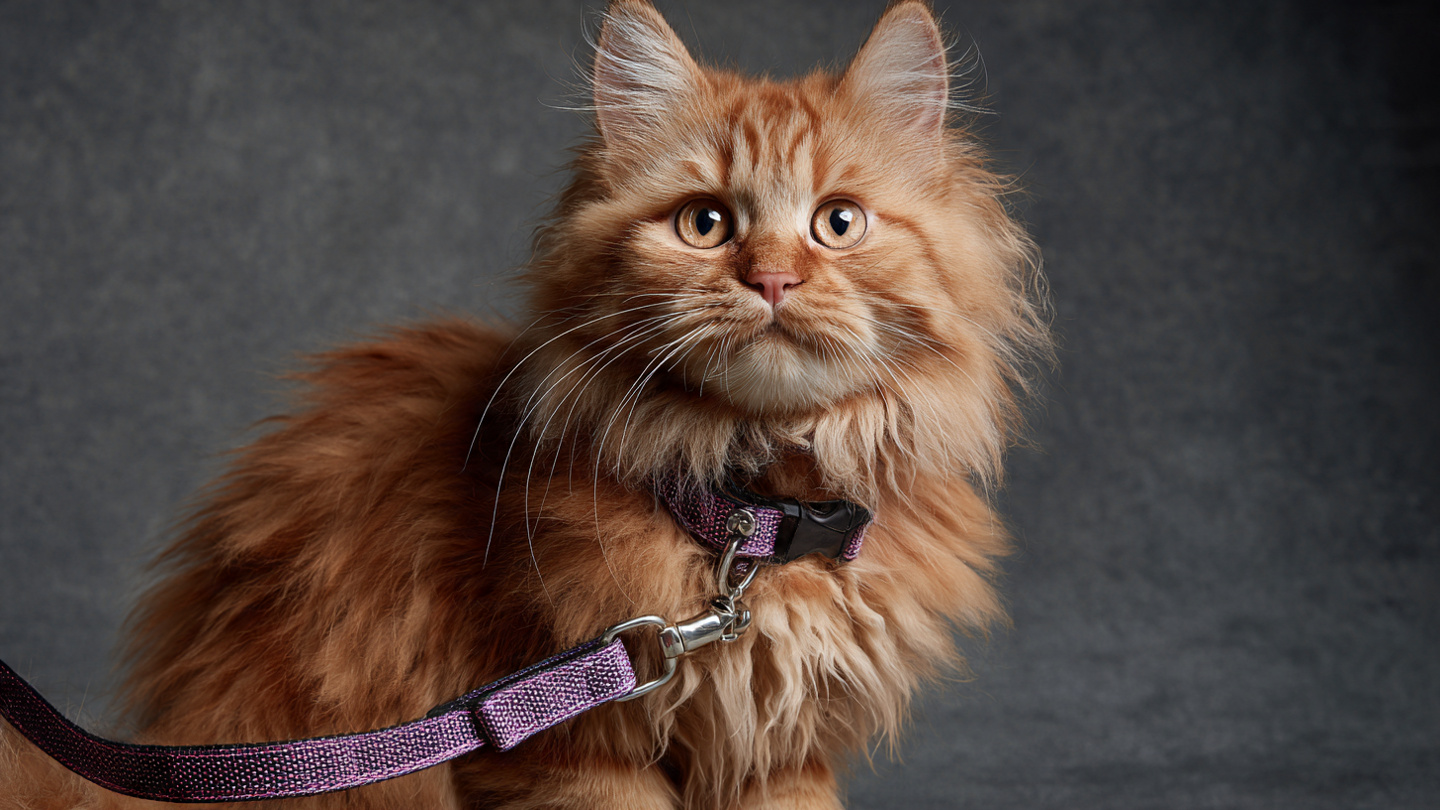
Training often begins in the most ordinary ways. A pet responds to their name, pauses before moving forward, or looks to their owner for guidance. These moments may seem small, but they form the foundation of how pets learn and understand the world around them.
For many owners, training isn’t about formal sessions or strict schedules. It’s woven into daily life through repetition, consistency, and shared routines. Over time, these everyday interactions shape behavior in ways that feel natural rather than forced.
Training works best when it feels calm, familiar, and built into the rhythm of daily living.
✨ AI Insight:
As people reflect more easily on everyday routines, subtle technology has helped highlight how repeated interactions and consistent cues quietly support learning over time.
Why It Matters
Training shapes communication.
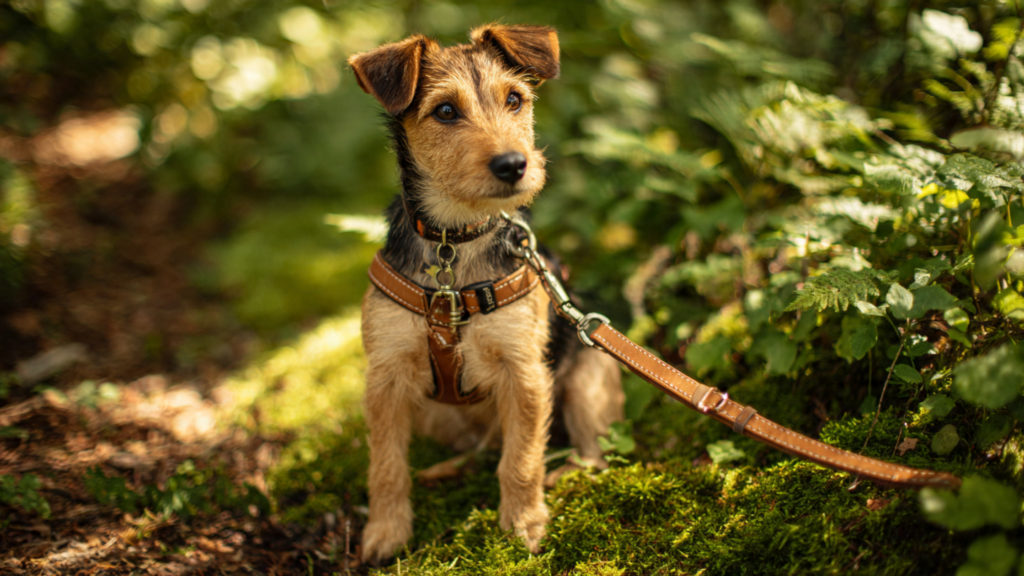
When pets understand expectations, daily life feels smoother for everyone. Owners often notice fewer misunderstandings and more confident responses when training is approached steadily.
Clear communication builds trust and mutual understanding.
Learning Happens All Day Long
Training doesn’t stop and start.
Pets learn through everyday moments—waiting by the door, walking calmly, or settling when asked. These repeated experiences reinforce understanding without pressure.
Daily repetition supports learning.
Consistency Builds Confidence
Pets respond well to consistency.
Using the same cues, tone, and timing helps pets recognize patterns. When expectations remain steady, pets feel more confident in their responses.
Consistency reduces confusion.
Short Interactions Work Best
Many owners notice that brief training moments are more effective.
Quick, focused interactions fit easily into daily routines. Pets stay engaged without becoming overwhelmed.
Short moments add up over time.
Routine Creates Structure
Routine gives training a framework.
When learning happens at predictable times—during walks, meals, or play—pets begin to anticipate what’s expected.
Structure supports understanding.
Calm Energy Encourages Focus
Pets often mirror emotional tone.
When owners approach training calmly, pets are more likely to focus and respond. Rushed or tense energy can distract from learning.
Calm presence supports progress.
Familiar Environments Help Learning
Learning often happens best in familiar spaces.
Pets feel more relaxed at home or on familiar routes, making it easier to focus on cues and responses.
Comfort supports attention.
Repetition Reinforces Understanding
Repetition is a key part of training.
Seeing the same cues in similar situations helps pets connect actions with expectations. Over time, responses become more reliable.
Repetition builds clarity.
Observation Guides Training
Owners often adjust training by watching closely.
Noticing when pets respond easily or hesitate helps owners refine timing and approach.
Observation improves communication.
Training Is a Two-Way Process
Training isn’t just about pets learning.
Owners also learn how their pet communicates—through body language, pacing, and attention. This mutual learning strengthens connection.
Understanding grows on both sides.
Small Wins Matter
Progress often shows up quietly.
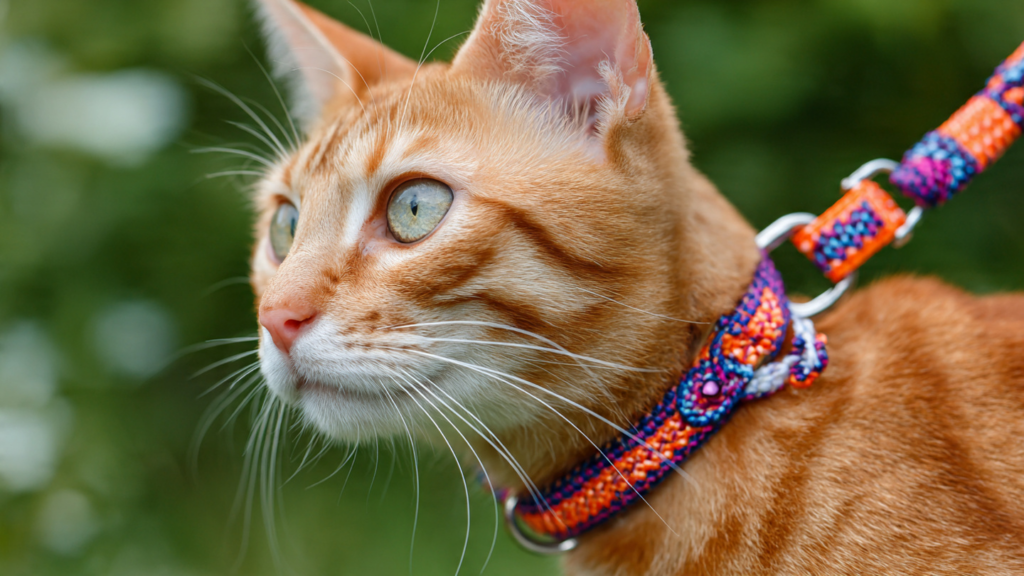
A quicker response, calmer behavior, or smoother transition signals learning. These small wins build confidence.
Gradual progress is meaningful.
Patience Supports Long-Term Success
Learning takes time.
Pets process information at different speeds. Owners who allow space for learning often see steadier improvement.
Patience encourages trust.
Familiar Cues Create Clarity
Using familiar words and gestures helps pets understand.
Consistency in cues prevents confusion and supports faster recognition.
Clear signals support learning.
Training Fits Into Play
For many pets, learning feels like play.
Training during walks or games keeps engagement high. When learning feels enjoyable, pets participate willingly.
Enjoyment supports retention.
Environment Shapes Responses
Where training happens matters.
Quiet spaces reduce distraction, while familiar settings increase focus. Owners often choose environments that support success.
Setting influences learning.
Confidence Grows With Practice
As pets understand expectations, confidence increases.
Confident pets respond more calmly and predictably. Owners notice smoother interactions.
Confidence reflects understanding.
Owners Gain Confidence Too
Training helps owners feel more assured.
Clear routines and reliable responses reduce uncertainty. Calm handling becomes second nature.
Confidence is shared.
Training Evolves Over Time
Training changes as pets grow and routines shift.
Owners adapt cues and expectations based on experience. This flexibility keeps training relevant.
Learning is ongoing.
When Training Feels Natural
The clearest sign training is working is when it feels natural.
Pets respond without hesitation. Owners communicate effortlessly.
Natural interaction reflects successful training.
A Thoughtful Takeaway
Training doesn’t need to feel formal or complicated to be effective. When built into everyday routines, learning becomes part of how pets and owners communicate naturally.
Through consistency, patience, and calm repetition, training supports understanding and trust. Over time, these shared moments create a rhythm where expectations are clear, responses feel confident, and daily life flows more smoothly—showing that the most meaningful training often happens quietly, one familiar moment at a time.