You know that moment when you open a fresh bag of dog food, and your pup suddenly appears like they’ve been waiting in the next room the whole time? Many dog owners switch food for simple reasons—maybe their dog seems bored at mealtime, their schedule has changed, or they want to try something new that feels like a better fit.
Whatever the reason, it’s completely normal to wonder what you’ll actually notice afterward. Every dog is a little different, but there are common, everyday changes owners often see after a change. If you’re curious about what dog owners notice after switching food, here are some of the most talked-about experiences—shared in a calm, practical way, without overthinking it.
The First Thing Many Owners Notice: Mealtime Excitement
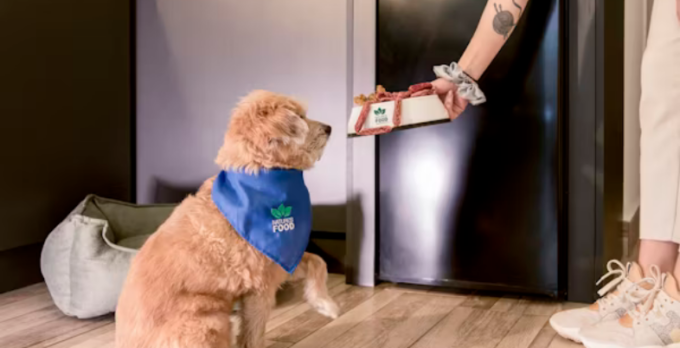
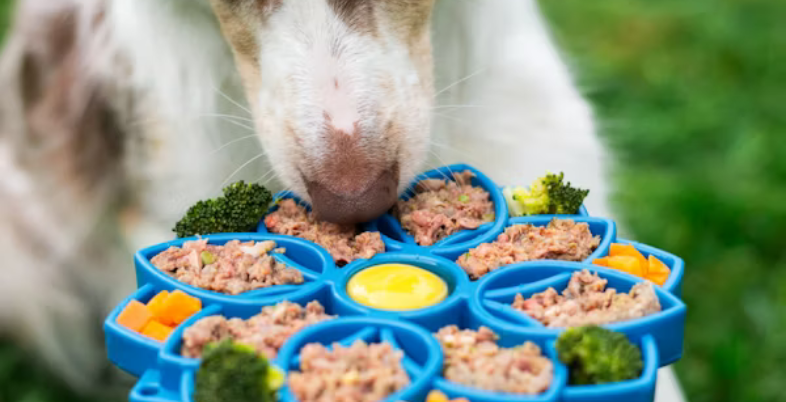
One of the most immediate changes people mention is how their dog reacts when the bowl comes out.
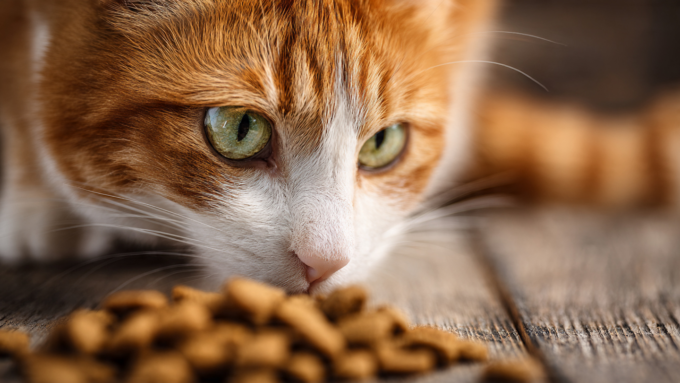
Some dogs become more enthusiastic, finishing meals more quickly or hovering nearby when food is being prepared. Others may take their time at first, sniffing carefully as if they’re deciding what they think about the new option.
This is usually less about “good” or “bad” and more about your dog adjusting to something unfamiliar. Dogs notice scent and texture right away, so even slight differences can feel like a big deal to them.
A Different Relationship With the Bowl
After switching food, some owners say their dog’s eating style shifts slightly.
A few common patterns include:
- Eating faster than usual
- Taking breaks mid-meal
- Looking to you for reassurance
- Checking the bowl, then coming back later
Sometimes it’s just novelty. Sometimes it’s a preference. And sometimes it’s your dog being… a dog.
If you’ve ever overseen your pup nudge kibble around like they’re solving a puzzle, you’re not alone.
Changes in Energy and Everyday Mood
Many owners pay close attention to energy after any routine change, and food is one of those things that can feel connected to everything else—walks, playtime, and even motivation.
Some people report that their dog seems slightly more “ready to go” during the day. Others don’t see a big difference at all, but still notice more minor shifts—like more interest in toys or a slightly perkier attitude on walks.
It’s also common for dogs to have a brief adjustment period during which they’re simply reacting to change. Dogs are creatures of habit, and even a slight routine shift can make them act a bit differently for a few days.
Coat and Skin: A “Softness” Owners Often Mention
When people casually discuss switching foods, they often bring up fur. Not in a dramatic way—more like, “Huh… their coat feels a bit different.”
Owners sometimes describe:
- A softer texture when petting
- Slight changes in shine
- Less “dry” feeling for
- More consistent shedding patterns
This isn’t something that happens overnight, and it’s not something to obsess over. But it’s one of the small, everyday observations that makes owners feel like they’re noticing the impact of a new routine.
If you’re wondering what dog owners notice after switching food, coat feel is one of the most frequently mentioned “quiet changes.”
Bathroom Habits: A Very Real Thing People Notice
Let’s be honest—dog ownership includes paying attention to poop more than most people ever expected.
After a switch, some owners notice changes in:
- Frequency
- Stool firmness
- Smell (yes, it comes up)
- Timing (like going earlier on walks)
This is one of the most common “noticed” differences because it’s hard to miss. Dogs can be sensitive to change, and routine patterns sometimes shift when anything in their schedule changes.
For many owners, this is the part that reminds them: transitions are normal, and the body sometimes takes a little time to settle into something new.
Water Bowl Behavior Can Change Too
Another small but interesting thing some people observe is water intake.
Some foods are drier, some are richer, some have different textures, and dogs may respond by drinking a bit more—or sometimes a bit less. A few owners report that their dogs are visiting the water bowl more often after switching, especially during the first week.
This isn’t necessarily a “signal” of anything dramatic. It’s often just part of a dog responding to a new routine and a new flavor experience.
Fewer Leftovers (Or More!)
If your dog leaves typically a few pieces behind, you might notice the bowl stays cleaner—or that the opposite happens.
Some dogs become full faster, while others are suddenly trying to convince you that a second serving is clearly required. Owners often report becoming more aware of portion habits during a switch because it’s the first time in a while they’re closely watching how their dog eats.
It can also make owners more mindful in general: Is my dog enjoying this? Do they seem satisfied? Are they pacing around for snacks?
Those little questions are part of the typical curiosity that comes with any change.
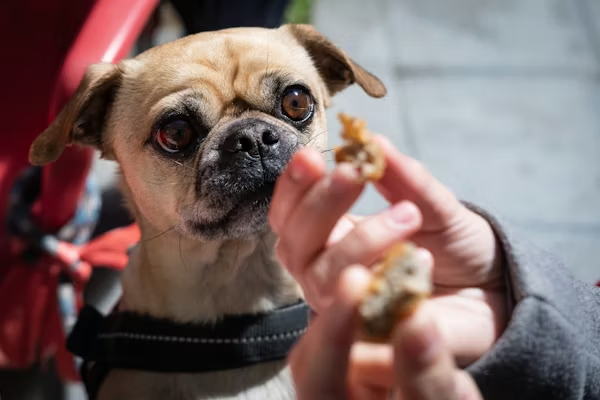
Your Dog’s “Opinion” Becomes Very Clear
Dogs don’t write reviews, but they absolutely communicate preferences.
After switching food, owners often say they notice stronger signals like:
- Excited tail wagging at mealtime
- Sniffing the bowl and walking away
- Eating only when you’re nearby
- Looking at you as if you’ve made a questionable decision
The funny thing is, a dog’s reaction can also change over time. Some dogs are hesitant at first, then suddenly decide they love it. Others are thrilled for a week… and then act as if the novelty has worn off.
That’s one reason people often share stories about what dog owners notice after switching food—because dogs are surprisingly expressive about it.
Treat Expectations Sometimes Shift
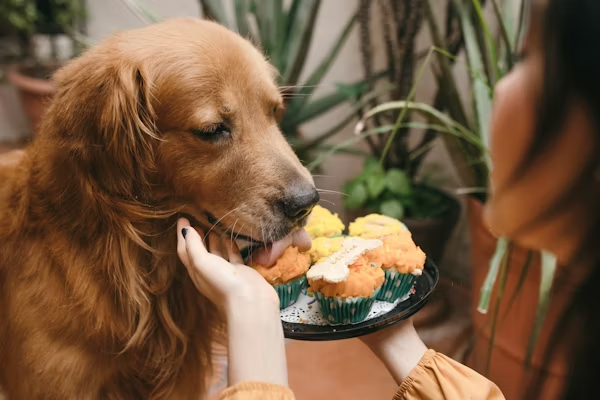
An unexpected thing some owners notice is how their dog acts around treats after switching food.
If your dog becomes more excited about mealtime, they might also become more interested in training treats. Or, if the new food feels extra rewarding, some dogs are less obsessed with snacks for a little while.
It’s not a strict rule—it’s just a pattern some owners mention when they observe behavior changes around food in general.
A Subtle Change in Routine (Even for You)
Switching food doesn’t only affect dogs—it affects owners too.
You might find yourself:
- Reading ingredient labels more carefully
- Measuring portions more consistently
- Watching mealtime behavior more closely
- Feeling more connected to your dog’s habits
Sometimes the “biggest” shift is simply awareness. When you change something in your dog’s routine, you naturally pay more attention, and you start noticing details that were always there—but didn’t stand out before.
What to Keep in Mind During Any Switch
Even when things go smoothly, switching food is still a change, and dogs tend to do best with steady routines.
A few gentle reminders owners often appreciate:
- Give your dog time to adjust to new textures and smells
- Expect minor changes at first
- Keep things calm and consistent
- Watch behavior in a simple, non-stressful way
You don’t need to analyze every tiny detail. Often, the best approach is to observe like you usually would—curious, but relaxed.
A Calm Takeaway
What do dog owners notice after switching their dog’s food? Often it’s the little things: a different level of excitement at the bowl, subtle shifts in routine, changes in coat feel over time, or simply a new pattern in daily habits.
The most important thing is that you’re paying attention with care—and that’s already a sign of a thoughtful dog owner. Dogs can’t tell us what they think with words, but they show us in everyday ways. When you notice those small changes, you’re simply learning more about your dog.
And that’s always a good thing—no matter what’s in the bowl.
AI INSIGHT: Over time, many owners notice that a food switch often shows up first in small daily patterns—like how eagerly their dog approaches the bowl, how steady their energy feels, and how their routine settles into a new rhythm.