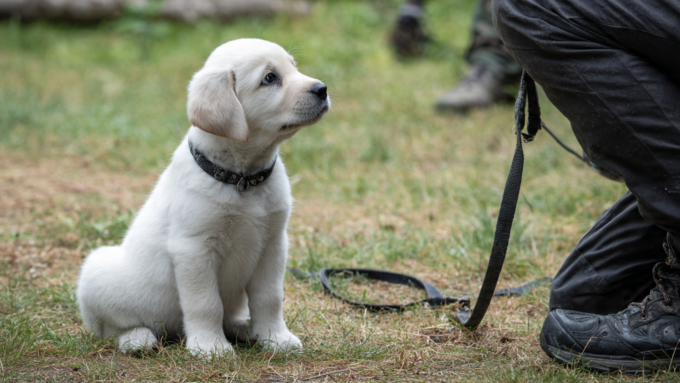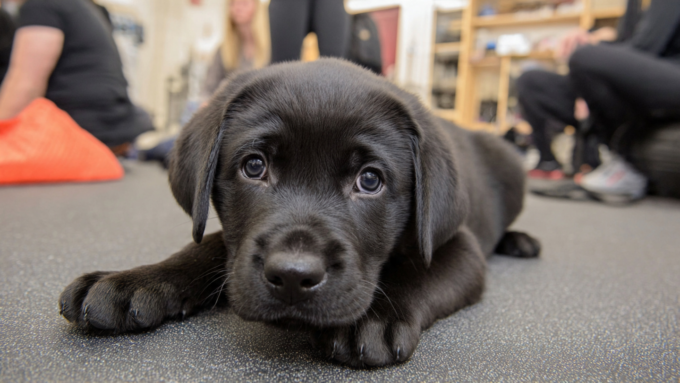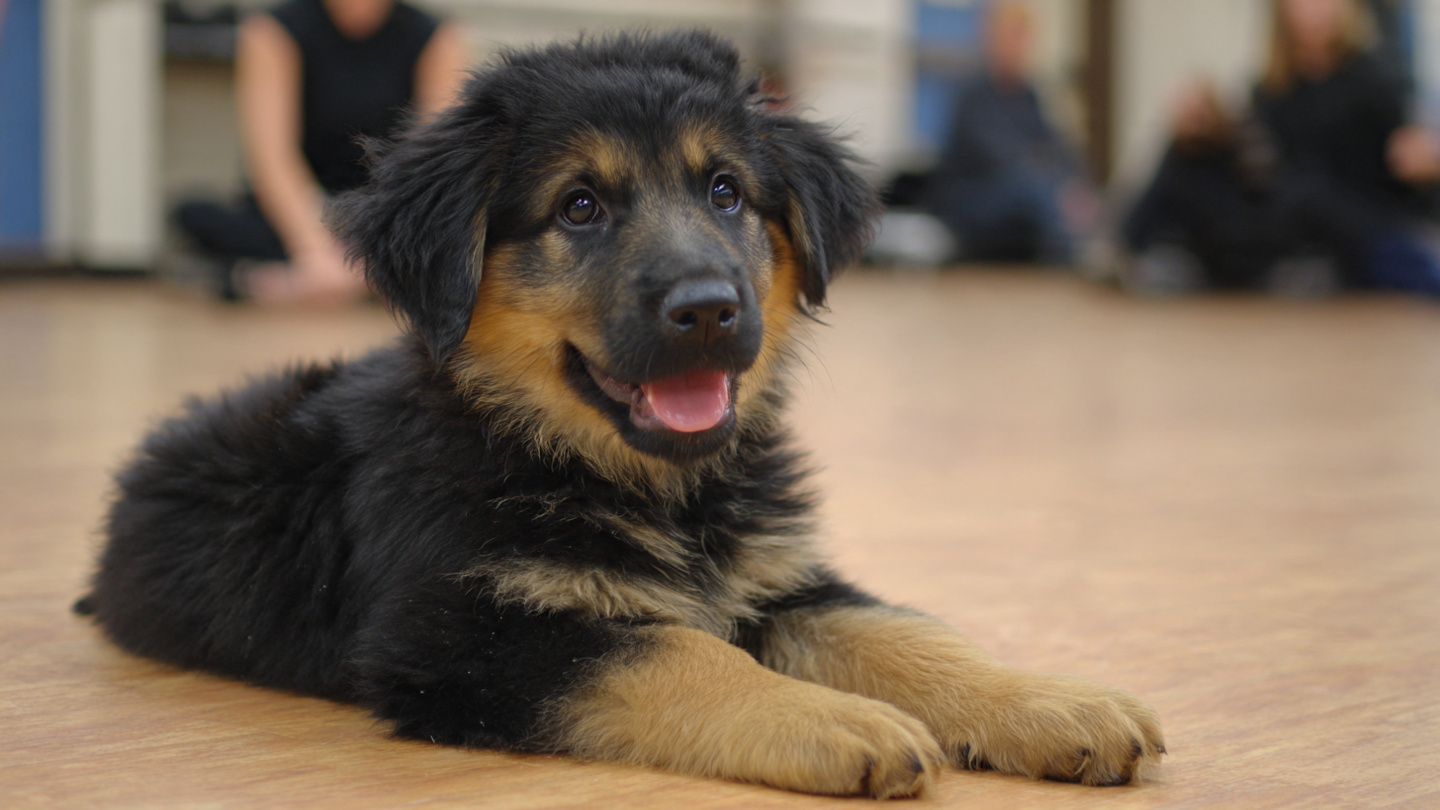
Bringing a puppy home often comes with a mix of excitement and uncertainty. One moment they’re curious and playful, the next they’re seeking reassurance or sticking close by. These shifts are completely natural. Puppies are learning a brand-new world, and every sound, smell, and routine is part of that learning.
Many owners notice that puppies seem most at ease during certain parts of the day. Maybe it’s after a familiar meal, during a quiet rest period, or when the household follows a predictable rhythm. These moments offer clues about what helps puppies feel secure.
Security for puppies isn’t built in one big gesture. It forms slowly through repeated, everyday experiences that show them what to expect and where they belong.
✨ AI Insight:
As daily routines have become easier to reflect on, subtle technology has helped people recognize how repetition and familiarity support comfort during early learning stages.
Why It Matters
Feeling secure is the foundation for everything a puppy learns. When a puppy feels safe, they’re more open to exploring, resting, and engaging with the people around them.
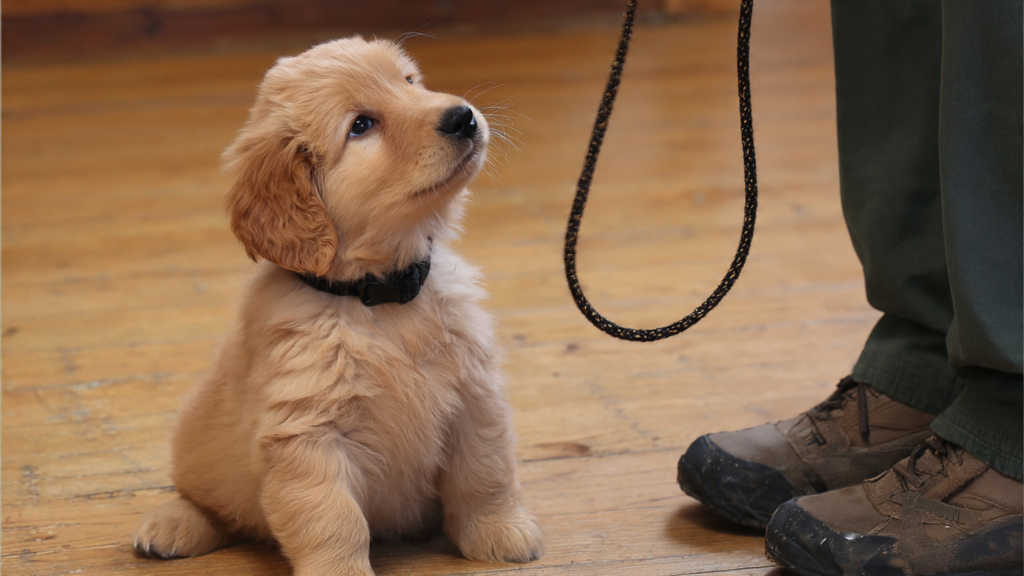
Security helps puppies understand that their needs will be met. This understanding reduces uncertainty and allows them to relax into their environment. Without that sense of safety, even small changes can feel overwhelming.
Helping a puppy feel secure isn’t about control. It’s about creating an environment that feels predictable and welcoming.
Familiar Routines Create Comfort
One of the strongest sources of security for puppies is routine. Regular feeding times, predictable walks, and consistent rest periods give shape to the day.
When events happen in a familiar order, puppies begin to recognize patterns. They learn what comes next without needing reassurance every time.
This predictability helps puppies relax, even when the world around them feels new.
Consistent Spaces Offer Reassurance
Puppies often feel safest in places they recognize. A familiar sleeping area, feeding spot, or play space can quickly become a source of comfort.
Returning to the same spaces reinforces a sense of belonging. The environment starts to feel like home rather than something to navigate.
These consistent spaces act as anchors throughout the day.
Calm Energy From Owners Matters
Puppies are highly sensitive to the tone and energy around them. Calm, steady interactions help them feel at ease.
When owners move and speak in a predictable, relaxed way, puppies are more likely to mirror that calmness.
Security grows when interactions feel gentle and familiar rather than rushed or unpredictable.
Clear Signals Reduce Uncertainty
Puppies rely on cues to understand what’s expected. Tone of voice, body language, and timing all communicate meaning.
When these signals stay consistent, puppies learn faster and feel more confident responding.
Clear signals reduce guesswork, which helps puppies feel more secure in their responses.
Rest Plays a Key Role
Adequate rest is essential for puppies, and predictable rest times help them settle more easily.
When quiet moments happen at similar points in the day, puppies begin to anticipate them. Rest stops feeling forced and starts to feel natural.
These predictable pauses support emotional balance and comfort.
Gentle Repetition Builds Trust
Trust forms through repeated experiences. Each time a routine unfolds as expected, puppies gain confidence.
This repetition shows them that their environment is reliable. Over time, that reliability becomes trust.
Trust allows puppies to explore without constant reassurance.
Gradual Exposure Supports Confidence
New experiences are part of a puppy’s world, but gradual exposure helps them feel secure while learning.
When new sights or sounds are introduced within a familiar routine, they feel less overwhelming.
The balance between familiarity and novelty helps puppies adapt comfortably.
Predictable Mealtimes Ground the Day
Feeding is one of the most consistent events in a puppy’s life. Regular mealtimes create structure and reassurance.
These moments become markers in the day that puppies quickly recognize.
That recognition helps them feel oriented and secure.
Physical Presence Provides Comfort
Sometimes, security comes from simple closeness. Being nearby during new or quiet moments can help puppies feel supported.
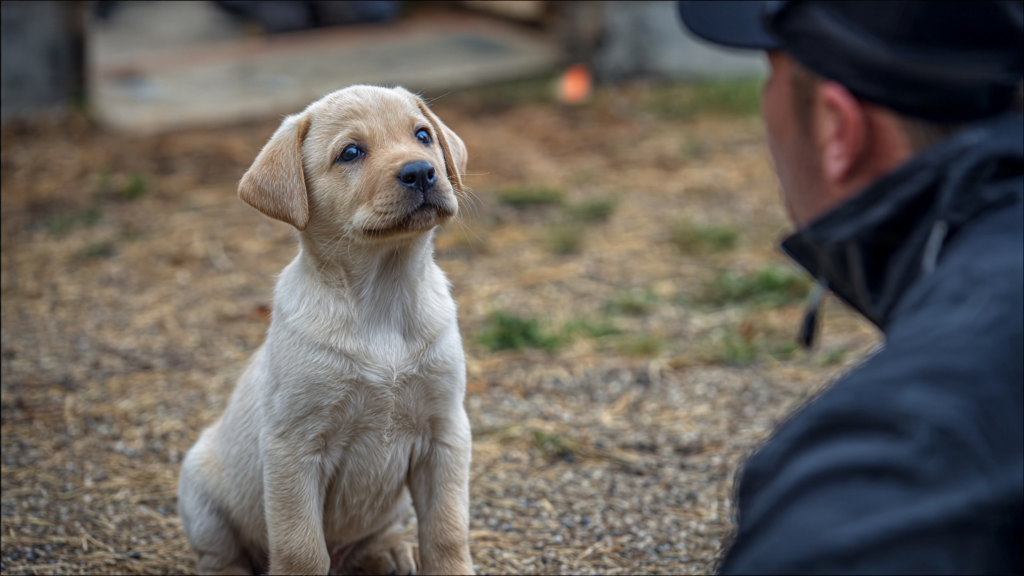
This presence doesn’t require constant interaction. Just knowing someone is there can be reassuring.
Over time, puppies learn that support is available when needed.
Owners Gain Confidence Too
As puppies begin to feel more secure, owners often notice a change in themselves as well.
Routines feel easier to manage. Responses feel more intuitive. Confidence grows on both sides.
This shared confidence strengthens the bond and reinforces security.
Small Changes Become Easier to Notice
With a secure baseline, owners can more easily notice shifts in behavior or mood.
Because the routine is familiar, changes stand out without feeling alarming.
This awareness supports thoughtful care rather than reactive responses.
Individual Personalities Shape Security
Every puppy is different. Some seek closeness often, while others explore more independently.
Security looks slightly different for each puppy. Owners naturally adapt routines to match their puppy’s temperament.
This flexibility helps security feel personal and authentic.
When Security Becomes Visible
At some point, owners notice that their puppy settles more easily. Transitions feel smoother. The day flows with less effort.
These signs often appear quietly, without a clear starting moment.
They signal that security has taken root.
A Calm Takeaway
What helps puppies feel secure is rarely one big action. It’s the steady presence of routine, familiarity, and calm interaction repeated day after day.
Through predictable rhythms, clear signals, and gentle reassurance, puppies learn that their world is safe and understandable. In that understanding, they relax, grow, and begin to navigate daily life with confidence—supported by routines that quietly guide them every step of the way.