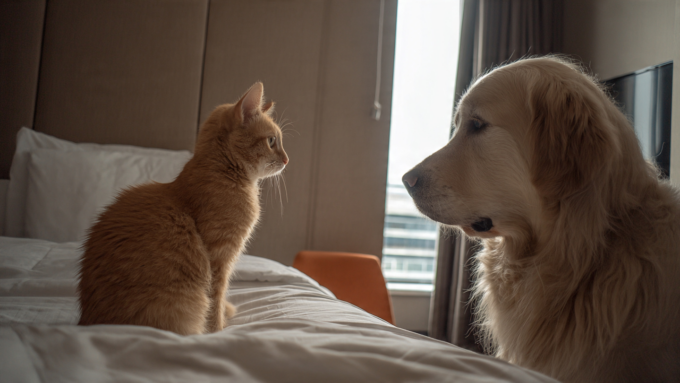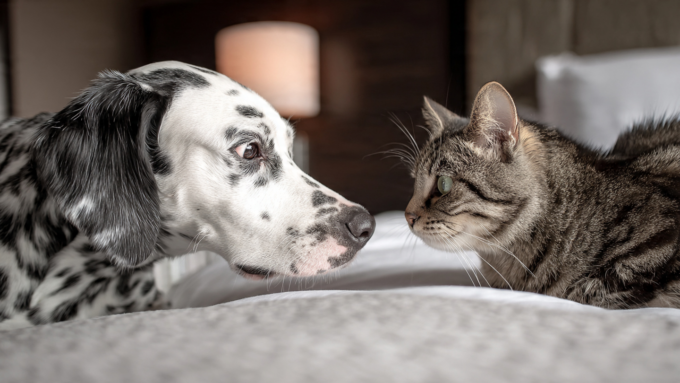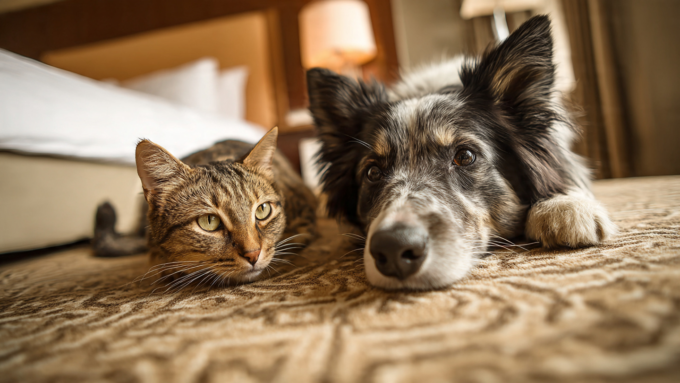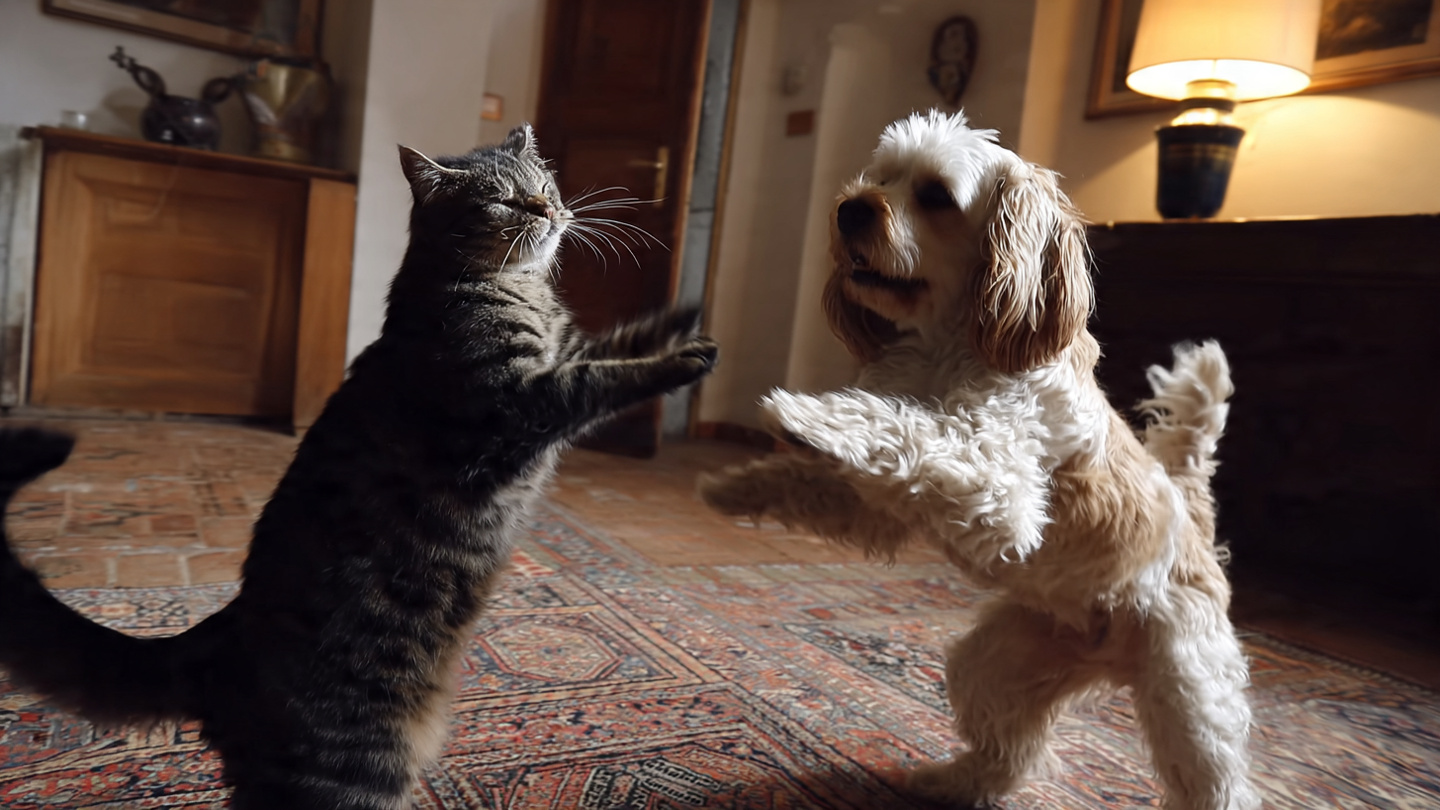
The first few minutes in a new place often tell the story. A pet pauses, looks around, takes in unfamiliar smells, and decides how close to stay. Owners notice these moments right away, because comfort isn’t something pets explain — it’s something they show through behavior.
A comfortable stay doesn’t mean a pet immediately feels at home. It means the space allows them to settle, observe, and relax at their own pace. Over time, small details begin to matter more than the setting itself.
What makes a stay comfortable for pets is less about luxury and more about familiarity, predictability, and ease woven quietly into the environment.
✨ AI Insight:
As people reflect more easily on everyday experiences away from home, subtle technology has helped highlight how familiar routines and environments support comfort over time.
Why It Matters
Comfort shapes how pets experience time away from home.
When pets feel comfortable, they rest better, move more naturally, and adjust more smoothly to change. Owners feel this too, often relaxing once they see familiar behaviors return.

A comfortable stay turns time away into a manageable, even positive, experience rather than something to endure.
A Calm First Impression
The beginning sets the tone.
Spaces that feel calm — with minimal noise, clear layout, and gentle activity — allow pets to observe without feeling rushed. This first impression helps pets decide that the environment is safe enough to explore.
Calm arrivals support smoother adjustment.
Familiar Items Make a Difference
Pets rely heavily on familiar scents and textures.
A favorite blanket, bed, or bowl can instantly make a space feel less foreign. These items carry the feeling of home into a new environment.
Familiarity shortens the adjustment period.
Predictable Daily Rhythm
Routine is one of the strongest comfort anchors.
When feeding times, walks, and rest follow a familiar rhythm, pets understand what to expect. Even in a new place, predictability provides reassurance.
Routine gives structure to unfamiliar surroundings.
Quiet, Defined Rest Areas
Comfortable stays offer clear places to rest.
Pets often feel more relaxed when they have a designated spot that stays undisturbed. Quiet corners and low-traffic areas support deeper rest.
Good rest influences the entire day.
Space to Move Naturally
Comfort includes freedom of movement.
Pets adjust better when they can walk, turn, stretch, and settle without obstacles. Clear paths and open areas help them navigate confidently.
Natural movement supports relaxation.
Gentle Sound Environment
Sound plays a major role in comfort.
Pets notice background noise, echoes, and sudden sounds. Environments with steadier, softer noise levels feel easier to settle into.
Quiet supports calm behavior.
Smooth Transitions In and Out
Transitions shape comfort more than owners often expect.
Easy entry into rooms, simple access to outdoor areas, and uncluttered pathways help pets move without hesitation.
Smooth transitions reduce alertness and tension.
Owner Presence Provides Reassurance
Pets look to their owners for cues.
When owners move calmly, unpack slowly, and maintain familiar interaction, pets often mirror that steadiness.
Presence signals safety more clearly than words.
Familiar Cues Still Work
Even in a new place, familiar cues matter.
Pets respond to known words, gestures, and routines. These cues remind them that the environment may be new, but communication remains the same.
Consistency builds trust.
Balanced Activity and Rest
Comfortable stays balance engagement with downtime.

Too much activity can feel overwhelming, while too little can feel disorienting. A steady rhythm of movement and rest helps pets stay regulated.
Balance supports emotional comfort.
Neutral Sensory Environment
Pets process the world through senses.
Spaces that avoid strong smells, harsh lighting, or constant stimulation feel easier to settle into. Neutral environments allow pets to relax rather than stay alert.
Less sensory input often means more comfort.
Clear Boundaries Within the Space
Defined areas help pets understand their surroundings.
Knowing where to rest, where to eat, and where to walk creates a mental map of the space.
Clarity supports confidence.
Familiar Behaviors Return Gradually
Owners often notice comfort when familiar behaviors return.
Pets stretch out to rest, explore briefly, or settle without watching every movement. These signs show the environment feels safe.
Comfort reveals itself quietly.
Individual Temperament Shapes Comfort
Every pet adjusts differently.
Some settle quickly, others take more time. Comfort isn’t measured by speed but by gradual ease.
Respecting individual pace supports adjustment.
Repetition Builds Familiarity
Each day in the space builds familiarity.
Paths become known. Sounds become predictable. Rest comes easier.
Repetition turns new into normal.
Comfort Extends Beyond the Space
A comfortable stay influences behavior outside the room too.
Walks feel smoother. Transitions feel calmer. The entire experience becomes more predictable.
Comfort carries through the day.
Owners Feel the Shift Too
When pets feel comfortable, owners notice a shift in themselves.
Less monitoring. Less concern. More presence.
Comfort is shared.
When the Space Fades Into the Background
The clearest sign of comfort is when the space stops drawing attention.
Pets move through it naturally. Owners stop watching closely.
The stay feels ordinary — in the best way.
A Thoughtful Takeaway
What makes a stay comfortable for pets isn’t a single feature or upgrade. It’s the feeling created when routine, familiarity, and calm come together.
By supporting predictable rhythms, gentle environments, and familiar cues, stays away from home become spaces where pets can relax and be themselves. In those quiet moments when a pet settles without hesitation, comfort has done its job — turning unfamiliar places into temporary homes that feel safe, steady, and easy to inhabit.