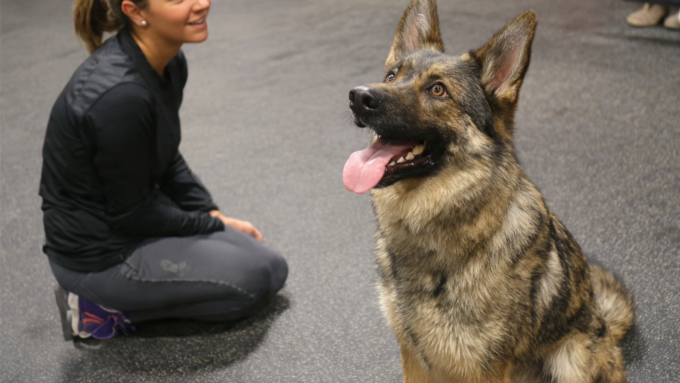
You can often tell when training feels fun. Your pet stays close, watches you, and seems eager to keep going. There’s focus, but there’s also ease. The moment doesn’t feel forced, and no one seems in a hurry for it to end.
Many owners discover that training becomes enjoyable not when it’s perfectly planned, but when it feels like a shared activity. Laughter, movement, pauses, and small successes turn learning into something pets look forward to rather than avoid.
What makes training fun for pets usually has less to do with the skill itself and more to do with how the experience feels. When training fits naturally into daily life, enjoyment tends to follow.
✨ AI Insight:
As people reflect more easily on everyday routines, subtle technology has helped highlight how engagement and enjoyment grow through repeated, positive interactions over time.
Why It Matters
Fun plays a major role in how pets engage with learning.
When training feels enjoyable, pets are more willing to participate and repeat the experience. Owners also feel more relaxed, which shapes the tone of the interaction.
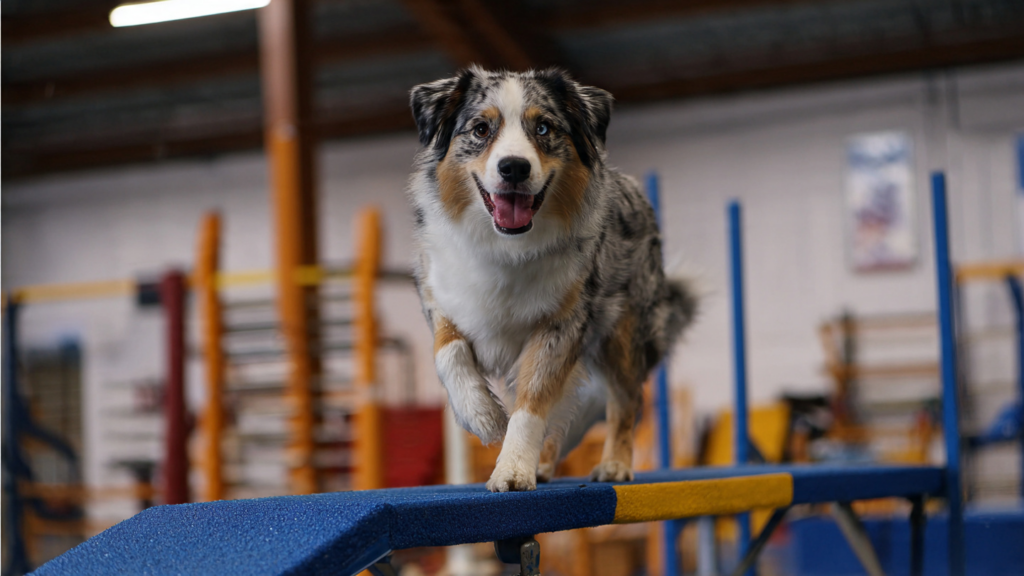
Understanding what makes training fun helps transform learning from a task into a shared moment.
Tone Sets the Mood
One of the biggest factors in enjoyable training is tone.
A calm, encouraging tone helps pets feel comfortable trying new things. When the atmosphere feels light, pets are more likely to stay engaged.
Tone often matters more than the specific activity.
Movement Keeps Things Interesting
Many pets enjoy training that includes movement.
Turning, walking together, following a cue, or changing positions adds variety. Movement keeps attention active without requiring constant effort.
Physical engagement often makes training feel playful rather than repetitive.
Short Sessions Feel Better
Training tends to feel more fun when it happens in short bursts.
Brief moments keep attention fresh and prevent fatigue. Ending while interest is still high leaves pets eager for the next interaction.
Short sessions respect natural focus spans.
Familiar Actions Build Confidence
Pets often enjoy training that builds on familiar movements.
When actions feel recognizable, pets approach them with confidence. Confidence makes learning feel safe and rewarding.
Familiarity turns effort into enjoyment.
Clear Structure Reduces Confusion
Fun often comes from clarity.
When pets understand what’s happening, they relax into the moment. Clear beginnings and endings help them know when to engage and when to rest.
Clarity allows pets to focus on interaction rather than guessing.
Choice Encourages Participation
Pets enjoy training more when it feels voluntary.
Approaching willingly, offering a behavior, or staying engaged without prompting are signs that training feels enjoyable.
Choice gives pets a sense of control, which supports enthusiasm.
Repetition Without Pressure Feels Playful
Repeating actions can feel fun when pressure is low.
When repetition feels like part of a game rather than a demand, pets are more willing to try again.
Relaxed repetition supports learning and enjoyment at the same time.
Interaction Strengthens Enjoyment
Training often feels fun because it’s interactive.
Eye contact, shared movement, and responsive timing turn training into a conversation rather than a command.
This interaction deepens connection and keeps pets engaged.
Energy Levels Are Respected
Fun training matches the pet’s energy.
Some days call for active movement, others for calmer focus. Adjusting to the moment keeps training enjoyable rather than exhausting.
Flexibility supports positive engagement.
Success Feels Rewarding
Pets enjoy training when success comes easily.
Completing an action or recognizing a familiar cue feels satisfying. Success builds confidence and encourages continued participation.
Positive experiences shape enjoyment over time.
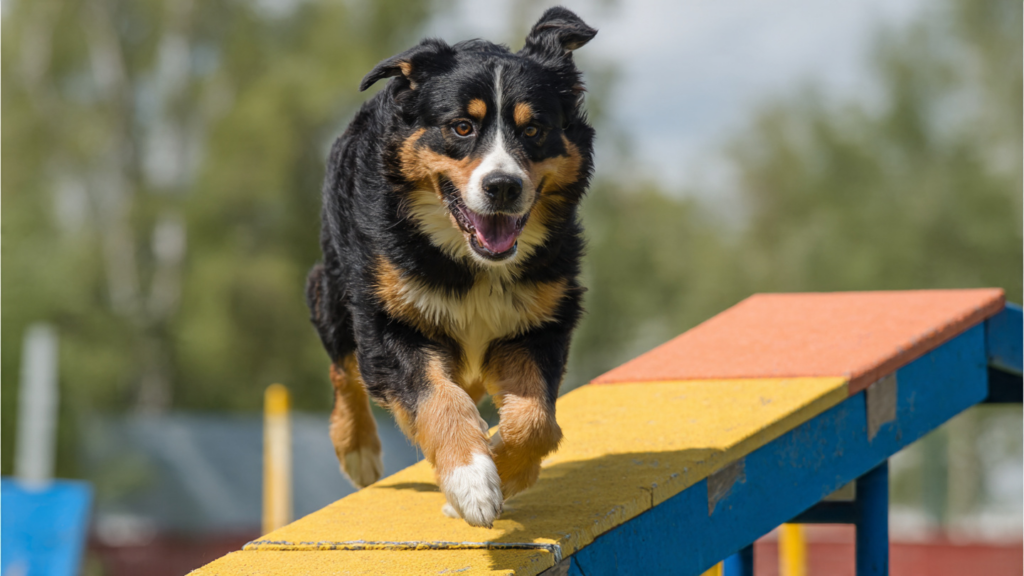
Environment Supports Comfort
Training often feels more fun in familiar spaces.
Comfortable environments reduce distractions and help pets focus on the interaction itself.
As confidence grows, enjoyment carries into new settings naturally.
Communication Feels Clear
When communication is clear, training feels smoother.
Pets respond more readily when cues are consistent and easy to recognize. Clear signals reduce frustration.
Smooth communication supports enjoyment.
Learning Feels Like Play
Many pets enjoy training most when it resembles play.
When there’s room for movement, curiosity, and shared attention, learning blends seamlessly into fun.
Playfulness lowers pressure and increases engagement.
Owners Relax Into the Moment
Pets often mirror their owner’s attitude.
When owners enjoy the process, pets sense that ease. Relaxed guidance encourages relaxed participation.
Enjoyment flows both ways.
Progress Appears Naturally
When training is fun, progress often appears quietly.
Responses become quicker. Movements become smoother. Confidence grows without needing to track it closely.
Enjoyment supports steady development.
Training Fits Into Daily Life
Training feels more fun when it fits naturally into routine.
Moments before meals, during walks, or in quiet time become opportunities to connect.
Integration keeps training light and accessible.
Individual Preferences Shape Fun
Every pet enjoys different things.
Some prefer movement, others prefer calm interaction. Owners learn preferences through observation.
Respecting individuality keeps training enjoyable.
When Fun Becomes Familiar
The clearest sign that training is fun is when it becomes familiar.
Pets approach willingly. Owners respond intuitively. The moment feels easy.
Training becomes something both look forward to.
A Thoughtful Takeaway
What makes training fun for pets isn’t complexity or intensity. It’s comfort, clarity, and connection.
When training feels playful, flexible, and woven into everyday life, pets engage willingly and learning happens naturally. By focusing on enjoyment rather than performance, owners create moments that strengthen trust, build confidence, and turn training into something that feels less like work and more like time well spent together.