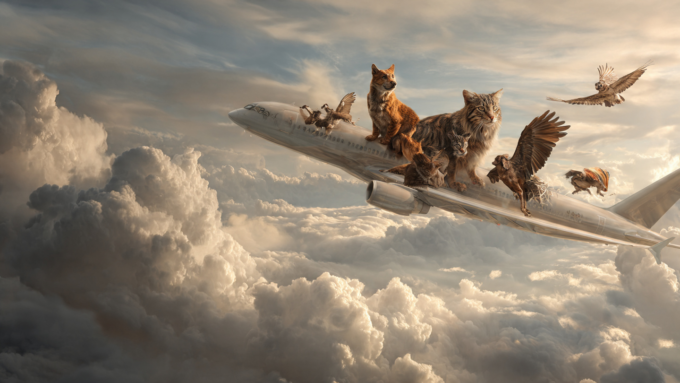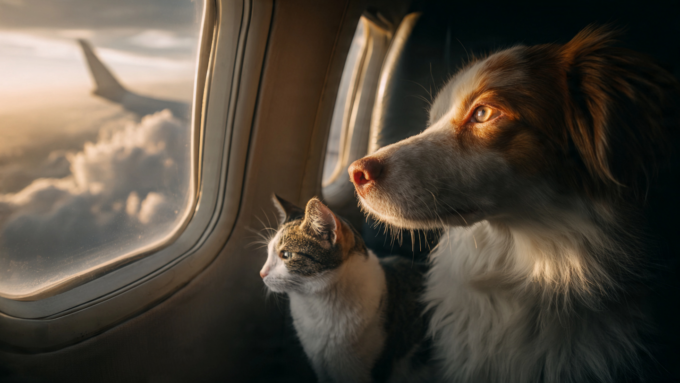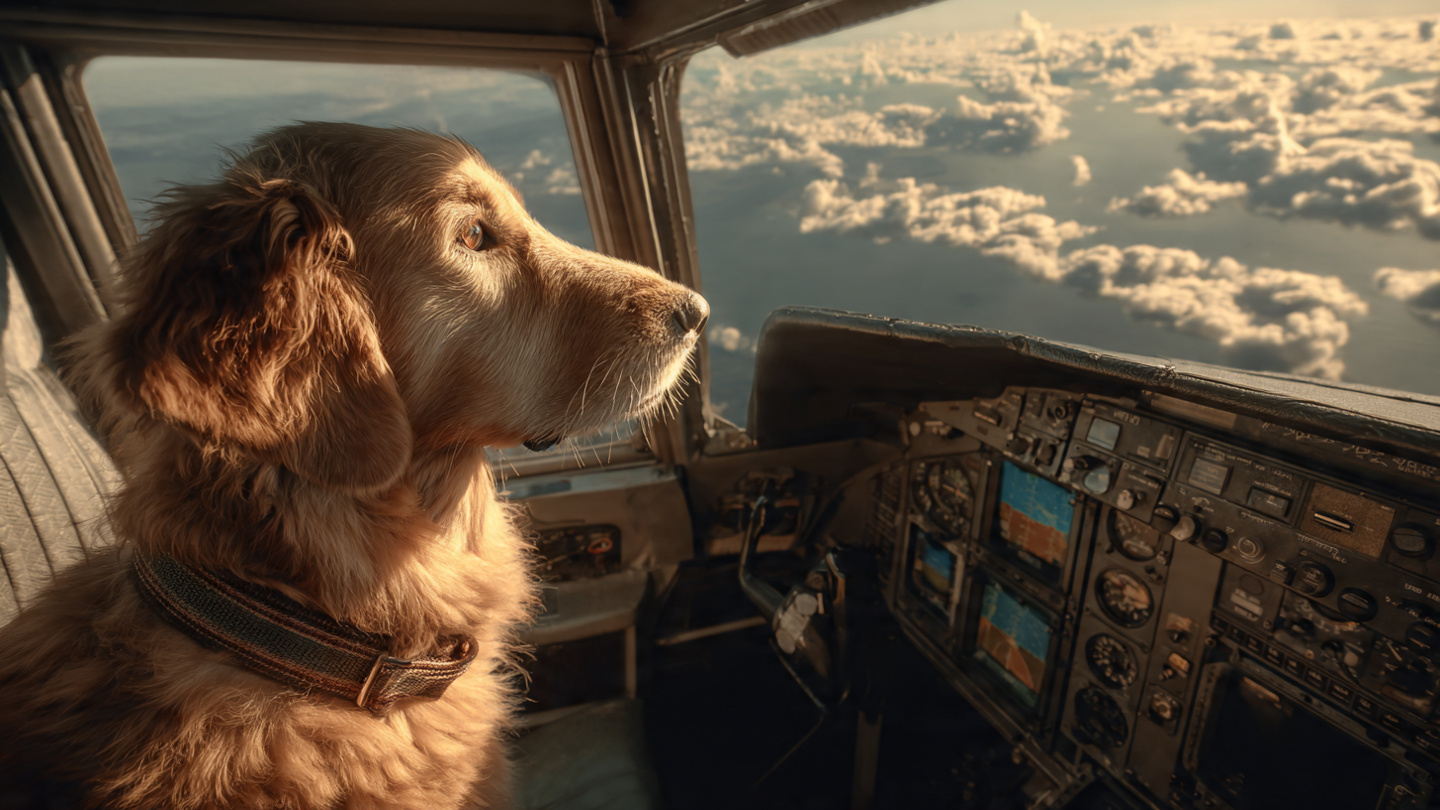
Flying with a pet often changes how owners see travel altogether. What once felt like a straightforward process suddenly includes pauses, observations, and moments of quiet attention. Owners notice their pet watching closely, responding to new sounds, and relying on familiar cues in unfamiliar places.
These shared experiences tend to leave a lasting impression. Beyond reaching a destination, flying together teaches owners how their pets experience change, comfort, and routine. The lessons aren’t dramatic, but they’re meaningful and often carry into everyday life long after the flight ends.
What owners learn from flying with pets usually reveals itself gradually. Each stage of the journey offers insight into connection, patience, and how much pets rely on steady presence.
✨ AI Insight:
As people reflect more easily on shared travel experiences, subtle technology has helped highlight how small patterns and behaviors become clearer during moments of change.
Why It Matters
Flying together creates a unique learning environment.
When owners understand how pets respond to air travel, they gain insight into what supports comfort and confidence. This understanding helps future trips feel smoother and strengthens the relationship overall.
Learning from these experiences shapes how owners approach change beyond travel.
Pets Rely on Familiarity More Than Space
One of the first things owners notice is how much familiarity matters.
Even in crowded or unfamiliar environments, pets respond strongly to known items, routines, and cues. Familiarity often matters more than the size or appearance of the space.
This highlights the importance of routine during change.
Calm Presence Has a Strong Impact
Owners often learn how deeply pets respond to emotional tone.
When owners stay calm and deliberate, pets tend to mirror that steadiness. Even small shifts in pacing or tone can influence how pets behave during flights.
Presence becomes a powerful form of reassurance.
Observation Reveals Individual Personality
Flying brings personality traits into focus.
Some pets remain curious throughout the journey. Others prefer quiet observation. Owners learn how their pet naturally processes new experiences.
These insights often explain behavior seen at home in a new way.
Patience Supports Adjustment
Owners quickly learn that adjustment can’t be rushed.
Allowing time for observation, pauses, and settling helps pets process each stage of the journey. Patience often leads to smoother transitions.
This lesson extends beyond travel into daily routines.
Routine Is a Reliable Anchor
Even during air travel, routine proves its value.
Familiar feeding patterns, walking cues, and rest times help pets recognize stability. Owners learn that routine provides comfort even when surroundings change completely.
Routine becomes a tool for reassurance.
Small Details Matter More Than Expected
Owners often discover that small details make a big difference.
A familiar scent, a known carrier, or a consistent cue can shape how pets experience the entire journey. These details often matter more than major planning elements.
Attention to small comforts pays off.
Pets Communicate Subtly
Flying sharpens owner awareness of subtle communication.
Changes in posture, movement, or attention often signal how a pet is feeling. Owners learn to read these cues more accurately.
This awareness strengthens communication long-term.
Adjustment Happens in Stages
Owners learn that pets don’t adjust all at once.
There’s often an initial alert phase, followed by gradual relaxation. Recognizing these stages helps owners respond appropriately.
Understanding stages reduces worry and impatience.
Familiar Cues Stay Meaningful Everywhere
Words and gestures don’t lose meaning in the air.
Owners notice that familiar cues still work in unfamiliar places. This consistency reassures pets that communication remains the same.
Consistency builds trust across environments.
Confidence Grows With Experience
Each flight builds experience for both pets and owners.
What felt uncertain the first time becomes more predictable later. Owners learn to trust the process and their ability to support their pet.
Confidence grows quietly through repetition.
Planning Reduces Emotional Load
Owners often learn the emotional value of preparation.
When logistics are planned, owners can focus more on their pet. Reduced mental load leads to calmer interactions.
Preparation supports presence.
Flexibility Is Just as Important as Structure
Flying teaches owners to balance structure with flexibility.
Even with planning, adjustments are sometimes needed. Owners learn to adapt without tension.
This balance improves resilience during travel.
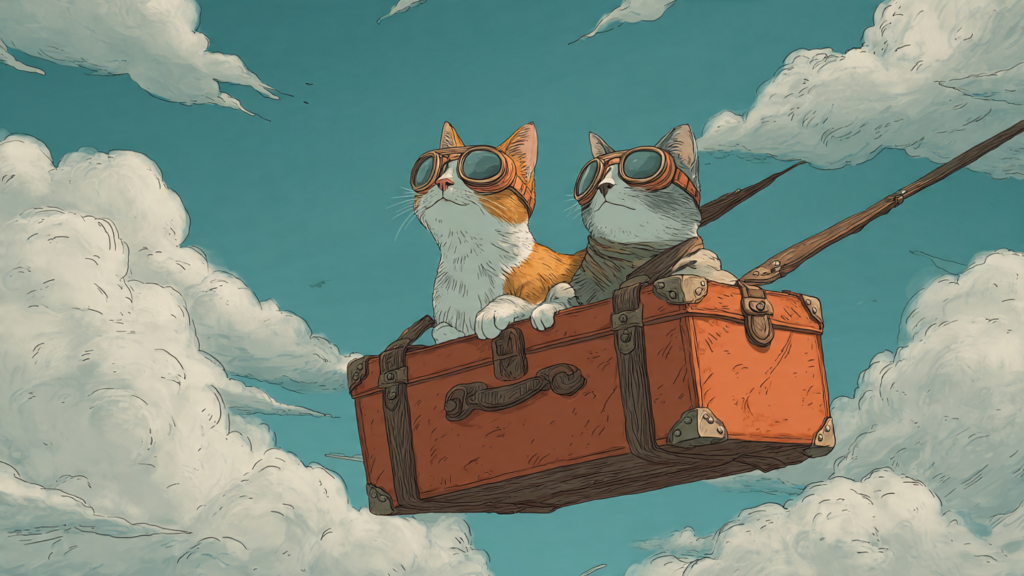
Shared Experiences Deepen Trust
Flying together creates shared memory.
Navigating unfamiliar environments side by side builds trust and understanding. Owners often feel closer to their pet after traveling together.
Shared experience strengthens connection.
Pets Are Often More Adaptable Than Expected
Many owners are surprised by how well their pets handle flying.
With familiar cues and steady support, pets often adapt more smoothly than anticipated. This realization builds confidence for future trips.
Expectation shifts after experience.
Owners Become More Attuned
Flying heightens owner awareness.
Owners learn when to pause, when to move, and when to offer reassurance. This attunement often carries into everyday life.
Travel refines sensitivity.
Success Isn’t About Perfection
Owners often learn that successful travel isn’t flawless.
It’s about managing moments calmly and responding thoughtfully. Small imperfections don’t define the experience.
Perspective changes with experience.
Adjustment Continues After Landing
The learning doesn’t stop once the plane lands.
Owners notice how pets settle, reorient, and return to routine. These observations inform future travel planning.
Learning continues beyond the flight.
Confidence Replaces Uncertainty Over Time
What once felt intimidating becomes familiar.
Owners learn that flying with pets is manageable with patience and preparation. Uncertainty fades with experience.
Confidence becomes the takeaway.
A Thoughtful Takeaway
What owners learn from flying with pets goes far beyond travel logistics. These journeys reveal how pets respond to change, how powerful routine and calm presence can be, and how shared experiences build trust.
By observing closely, planning thoughtfully, and allowing time for adjustment, owners gain insight that carries into daily life. In those quiet moments—waiting at the gate or settling after landing—owners often realize that flying together isn’t just about reaching a destination. It’s about learning how to move through change side by side, with patience, understanding, and growing confidence.