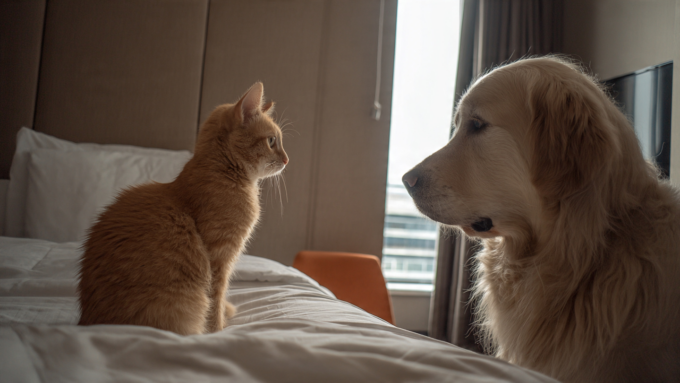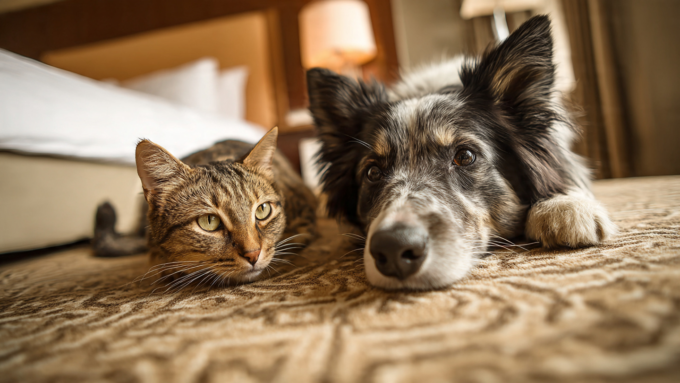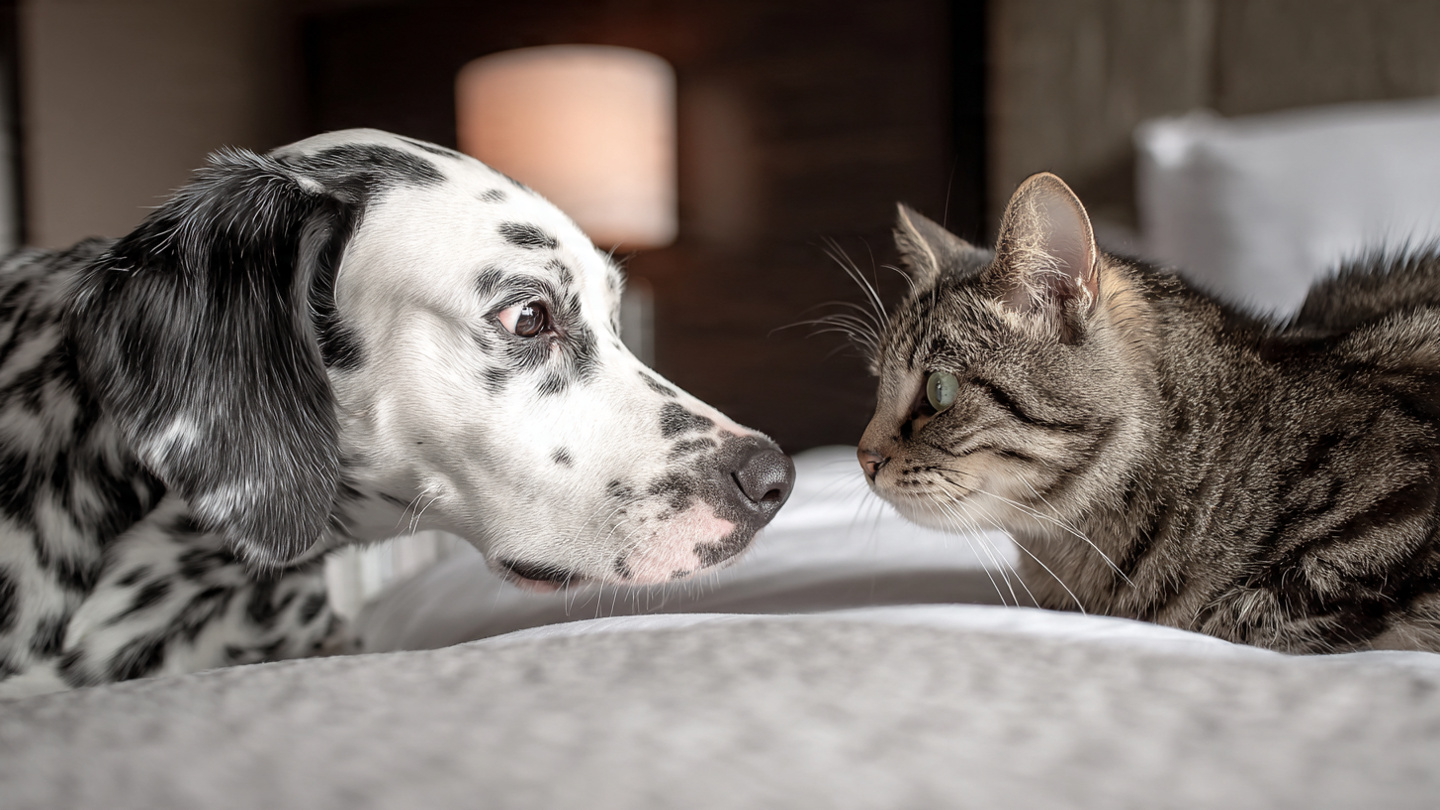
Traveling with a pet often reveals things owners don’t see at home. Away from familiar routines, small behaviors become more noticeable. A pet may stay closer than usual, watch surroundings more carefully, or settle into rest at different times of day.
Many owners realize that traveling together brings new awareness. Shared experiences in unfamiliar places highlight how pets respond to change, comfort, and routine. These observations aren’t dramatic, but they’re meaningful.
What owners notice when traveling together usually unfolds gradually. It shows up through small shifts in behavior, communication, and connection that become clearer the longer the journey lasts.

✨ AI Insight:
As people reflect more easily on shared travel experiences, subtle technology has helped highlight how patterns in behavior become more noticeable outside familiar routines.
Why It Matters
Travel changes context, and context reveals patterns.
When owners notice how pets behave while traveling, they gain insight into what helps them feel secure, curious, or calm. This understanding can shape future trips and even influence routines back home.
Noticing these changes helps owners respond with empathy rather than assumption.
Pets Stay More Attuned to Their Owners
One of the first things many owners notice is how closely pets stay connected during travel.
In new environments, pets often check in more frequently. They follow movements closely or stay within sight, especially early in the trip.
This closeness reflects trust and reliance during unfamiliar moments.
Observation Increases in New Places
Pets often observe more when traveling.
They pause to take in surroundings, listen to unfamiliar sounds, and watch movement around them. This heightened awareness is part of processing new information.
Owners notice this especially during the first days of a trip.
Routines Become More Visible
Away from home, routines stand out more clearly.
Feeding times, walk schedules, and rest periods become anchors in the day. Owners often realize how much pets rely on these rhythms to feel grounded.
Travel highlights the importance of predictable patterns.
Small Comforts Matter More
Owners often notice how much small, familiar items help.
A favorite blanket, bowl, or toy can make a big difference in how quickly a pet settles. These objects provide sensory reassurance in new spaces.
Familiar comforts often become more appreciated during travel.
Pets Adapt at Their Own Pace
Travel shows owners that adjustment isn’t instant.
Some pets settle quickly, while others take more time to relax. Owners begin to notice individual rhythms of adjustment.
This reinforces the value of patience during new experiences.
Behavior Changes Are Usually Subtle
Most behavior changes during travel are quiet.
Pets may rest more deeply, move more cautiously, or show increased curiosity. These shifts don’t signal problems; they reflect adaptation.
Owners learn to notice nuance rather than dramatic change.
Communication Feels Clearer
Many owners notice improved communication while traveling.
Because they’re paying closer attention, they recognize signals more quickly. Pets, in turn, respond to calm guidance.
Travel encourages more mindful interaction.
Energy Levels Follow New Patterns
Travel often reshapes daily energy patterns.
Activity and rest may happen at different times than at home. Owners notice how pets adjust their energy to match the new environment.
These shifts often normalize as routines settle.
Pets Mirror Owner Emotions
Owners frequently notice how strongly pets respond to their emotional tone.
Calm, prepared owners often see calmer behavior. When owners slow down, pets follow.
Travel highlights the emotional connection between pets and their people.
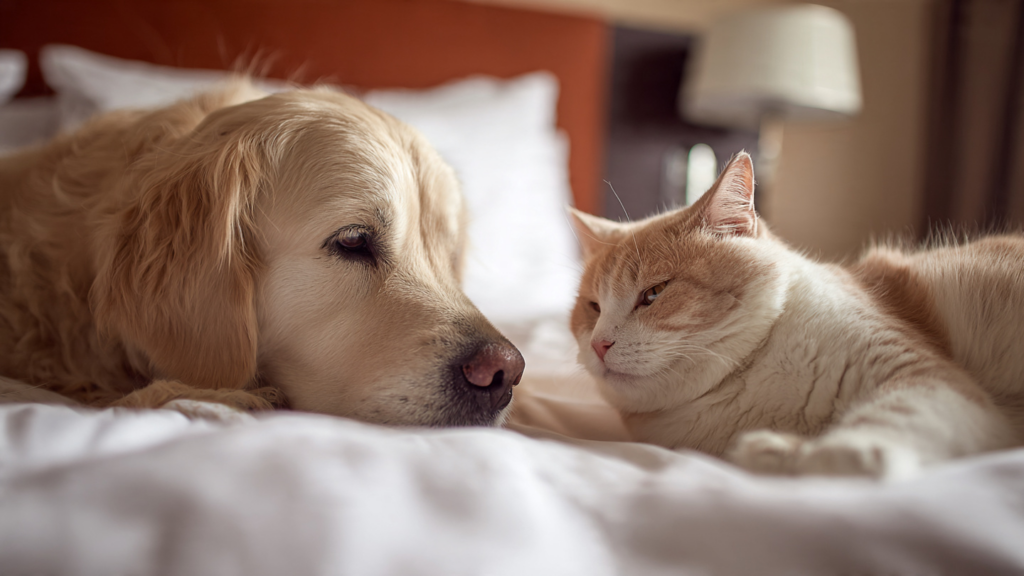
New Environments Build Confidence
Over the course of a trip, many owners notice growing confidence.
Pets explore more freely, settle faster, and move with less hesitation as days pass. Familiarity builds through repetition.
Confidence often grows quietly rather than suddenly.
Transitions Become Easier With Time
Early transitions may feel alert or cautious.
Later in the trip, pets move in and out of spaces more smoothly. Owners notice fewer pauses and less scanning.
These smoother transitions signal adjustment.
Shared Experiences Deepen Connection
Traveling together creates shared memory.
Owners often feel more connected after navigating new experiences side by side. Pets seem more attuned, and interactions feel more intentional.
Shared experience strengthens bonds.
Owners Become More Observant
Travel encourages observation.
Without home routines running on autopilot, owners notice details they might usually miss. This attentiveness often continues even after returning home.
Travel sharpens awareness.
Flexibility Becomes Easier
Owners often notice increased flexibility in both themselves and their pets.
Plans adjust, schedules shift slightly, and everyone adapts. This flexibility reduces pressure and improves enjoyment.
Adaptability becomes part of the experience.
Comfort Grows Through Repetition
Each day of travel builds familiarity.
Pets recognize patterns, spaces, and routines. Owners notice how quickly “new” becomes “normal.”
Repetition supports comfort.
Travel Reveals What Truly Matters
Away from home, priorities become clearer.
Owners notice that comfort, routine, and calm matter more than perfection. Pets respond best to steadiness rather than novelty.
Travel clarifies what supports well-being.
The Return Home Feels Different
Many owners notice changes after returning home.
Pets may seem more relaxed, confident, or adaptable. The experience carries forward into daily life.
Travel leaves a lasting impression.
When Traveling Together Feels Natural
The clearest sign of adjustment is when travel feels natural.
Packing is routine. Settling in is smooth. Pets move comfortably through new spaces.
Travel becomes part of shared life.
A Thoughtful Takeaway
What owners notice when traveling together is less about dramatic behavior changes and more about awareness. Travel reveals how pets adapt, communicate, and find comfort through routine and connection.
By observing patterns, respecting individual pacing, and maintaining familiar rhythms, owners often find that traveling together deepens understanding and trust. In those shared moments away from home, pets and owners learn not just how to travel—but how to move through change together with confidence and ease.